

Reaching your forties also means a change in perspective. While things were a lot easier in your twenties and thirties, they will require more work in your forties, particularly when it comes to staying strong, energetic, and healthy. According to Leslie Leung, “The way you adjust to these changes has a far greater impact on your health than your actual age.”
Here are five things you should consider when you reach 40 if you want to stay strong and healthy.
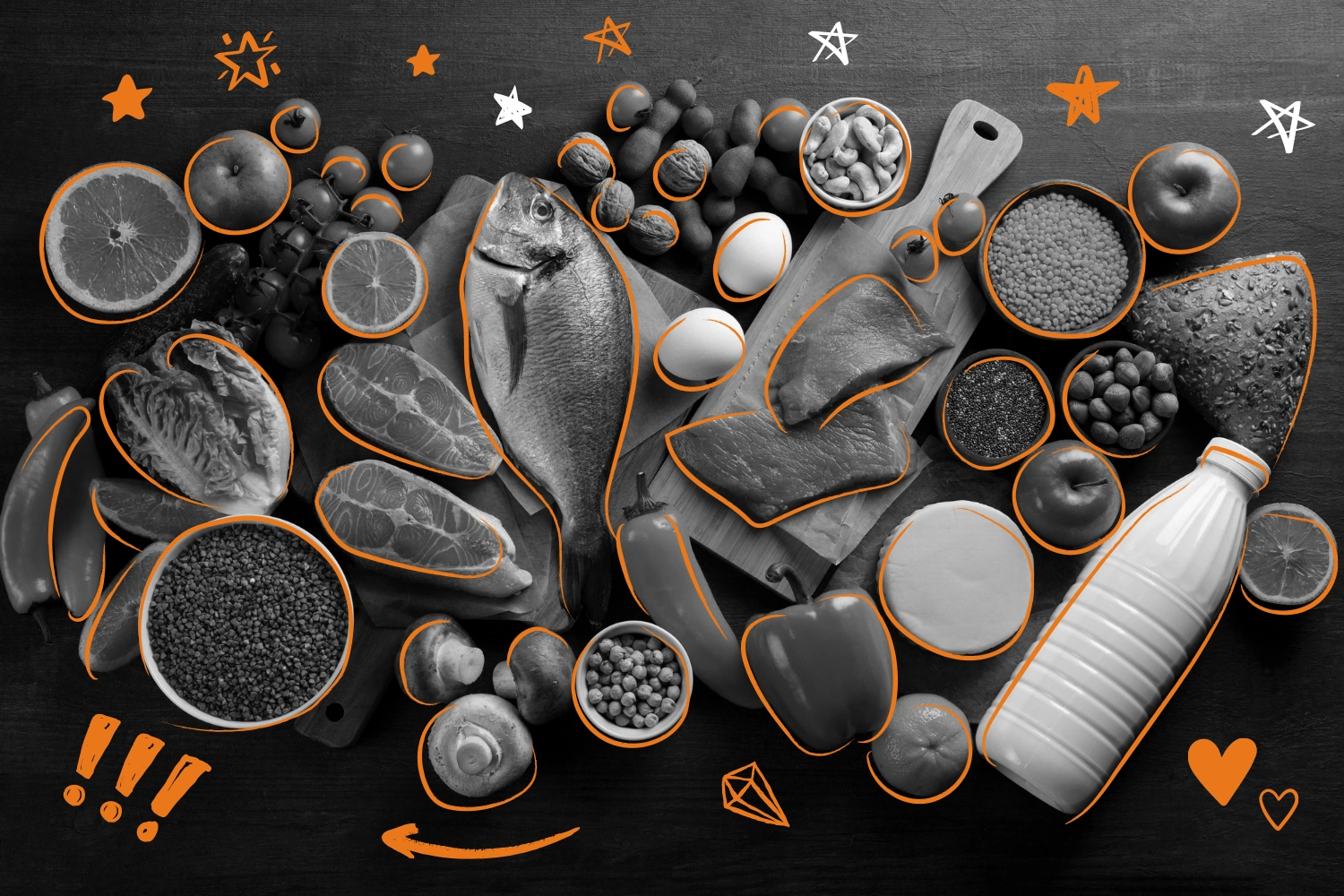
Rethink low protein eating habits
While carbohydrates remain an important part of a healthy meal, protein becomes even more important when you reach 40. According to Leung, “As we age, our body becomes less responsive to protein, a phenomenon known as anabolic resistance.
This means we need more protein to build and repair muscle.” Thus, eating enough protein will help you maintain a strong muscle mass, strong bones, and a healthy metabolism. Without protein, you will lose more muscles, making it difficult to achieve your fitness goals.
Stop neglecting sleep quality
Sleeping is often neglected when you’re busy, particularly when you’re younger. However, when you reach 40, you will realize how important a good night’s sleep is to stay strong, healthy, and energetic.
While a lack of sleep will not directly affect you, not getting a good night’s sleep will eventually lead to a number of problems, such as gaining weight, lacking energy, and more.
Leung advises that one should go to bed and wake up around the same time, avoid caffeine in the later part of the day, reduce screen time in the evening, and develop a relaxing bedtime routine. Sleep is not optional; it is essential.

Move away from excessive cardio
Cardio is important for heart health, but relying too heavily on long, intense cardio sessions can put too much pressure on the joints and even increase stress in the body.
However, adding other types of movement to strength training can provide more long-term benefits. For instance, walking, cycling, and strength training help in maintaining muscles, protecting joints, and preventing injuries.
Tip: Try to choose physical activities that can be maintained in the long term without over-extending your body.
Avoid unstructured strength training
Strength training becomes one of the most powerful tools in your arsenal after the age of 40, but unless it is carefully planned, it can hinder more than it can help.
Leung advises that one should concentrate more on proper movements, proper form, and avoid the temptation to try and lift as heavy as possible. This can only lead to failure in the long term.
Leaving some in reserve and building strength gradually ensures long-term results without taking unnecessary risks.
Don’t ignore ongoing stress
With increasing responsibilities, it is easy to allow stress to build up in the body. Chronic stress can impact almost every area of life, including recovery, sleep, and even hormone regulation.
However, managing it does not have to mean making major lifestyle adjustments. Regular physical activity, time outdoors, and other simple techniques like breathing and meditation can have a profound impact.
Creating time for recovery and establishing boundaries around rest time is just as important as physical training.
A smarter approach to staying strong
It’s not about slowing down when you turn 40; it’s about adapting your approach to your health. Embracing recovery time, nutrition, and a balanced lifestyle can actually help you maintain strength and energy in the long term.
It’s not about how hard you train; it’s about how consistent you can be in your approach. It’s possible to make adjustments in your lifestyle that can benefit you in the long term.