

Women’s health has evolved significantly over the past decades. Today, it is no longer limited to reproductive care or occasional doctor visits—it is a comprehensive, lifelong commitment to physical vitality, mental balance, emotional resilience, and disease prevention. Women face unique biological processes, social pressures, and lifestyle demands that require a personalized and proactive approach to health.
This article explores the essential elements of women’s health, focusing on prevention, lifestyle habits, and informed decision-making that support long-term well-being at every stage of life.
The Complexity of Women’s Health
Women’s bodies are influenced by complex hormonal cycles that affect nearly every system, including metabolism, mood, immune response, and cardiovascular function. Life stages such as puberty, pregnancy, postpartum recovery, and menopause bring natural changes that can challenge physical and emotional stability.
In addition to biological factors, women often balance multiple roles—professional responsibilities, caregiving, family management, and emotional labor. These demands increase the risk of stress-related conditions, fatigue, and burnout, making holistic self-care essential rather than optional.
Understanding women’s health as an interconnected system allows for better prevention and more effective long-term care.
Hormones and Their Role in Overall Health
Hormones regulate vital processes such as energy production, appetite, sleep, fertility, and emotional regulation. When hormones are balanced, the body functions efficiently. When disrupted, women may experience a wide range of symptoms.
Common Hormonal Concerns
-
Premenstrual syndrome (PMS)
-
Irregular or heavy menstrual cycles
-
Polycystic ovary syndrome (PCOS)
-
Thyroid imbalances
-
Perimenopause and menopause symptoms
Supporting hormonal health starts with consistent sleep patterns, proper nutrition, stress reduction, and physical activity. In some cases, medical evaluation and treatment are necessary to restore balance and prevent long-term complications.
Nutrition and Women’s Health
Nutrition plays a foundational role in women’s health, influencing hormone production, immune function, mental clarity, and disease risk. Women’s nutritional needs change throughout life, particularly during menstruation, pregnancy, breastfeeding, and menopause.

Nutrients Essential for Women
-
Iron to prevent anemia and fatigue
-
Calcium and vitamin D for bone strength
-
Protein to maintain muscle mass and metabolism
-
Healthy fats for hormone and brain health
-
Fiber to support digestion and estrogen balance
A nutrient-dense diet built around whole foods—vegetables, fruits, whole grains, lean proteins, legumes, nuts, and seeds—helps protect against chronic disease. Reducing processed foods, refined sugars, and excessive alcohol supports stable energy and hormonal health.
Movement as Medicine
Physical activity is one of the most effective tools for improving women’s health. Exercise benefits nearly every system in the body and plays a critical role in disease prevention.
Health Benefits of Regular Exercise
-
Improves heart health and circulation
-
Strengthens bones and reduces osteoporosis risk
-
Enhances mental health and stress resilience
-
Supports healthy weight management
-
Improves sleep quality and energy levels
An ideal exercise routine includes cardiovascular activity, resistance training, and flexibility or mobility work. Strength training is especially important for women, as muscle mass naturally declines with age.
Even low-impact activities such as walking, yoga, or swimming can deliver significant health benefits when practiced consistently.
Mental Health and Emotional Well-Being
Mental health is a central pillar of women’s health, yet it is often overlooked. Women are more likely than men to experience anxiety, depression, and stress-related disorders due to hormonal fluctuations and social expectations.
Life events such as childbirth, career changes, caregiving, or menopause can intensify emotional challenges. Chronic stress not only affects mental health but also increases the risk of heart disease, autoimmune disorders, and metabolic issues.
Supporting Emotional Wellness
-
Prioritizing adequate sleep and rest
-
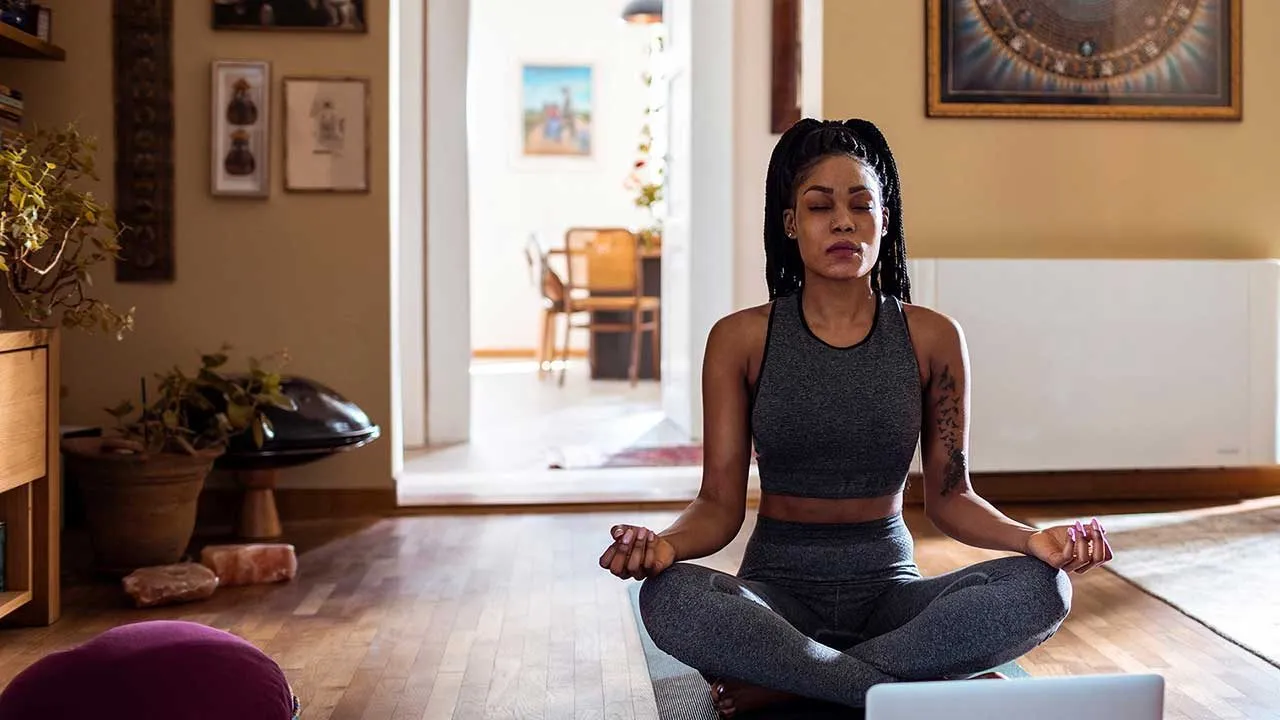
Practicing mindfulness or relaxation techniques
-
Building supportive social relationships
-
Setting healthy boundaries
-
Seeking professional support when needed
Caring for mental health strengthens resilience and improves overall quality of life.
Reproductive and Sexual Health
Reproductive health is a lifelong aspect of women’s wellness. It includes menstrual health, fertility awareness, contraception, pregnancy care, sexual health, and protection against infections.
Understanding the menstrual cycle helps women recognize what is normal for their bodies and identify potential health concerns early. Regular gynecological exams support early detection of conditions such as cervical abnormalities or hormonal disorders.
Sexual health is equally important and closely tied to emotional and relational well-being. Education, communication, and self-awareness promote confidence and healthier intimate relationships.
Preventive Care and Routine Screenings
Preventive healthcare is one of the most powerful strategies for protecting women’s health. Early detection significantly improves outcomes for many serious conditions.
Key Preventive Screenings for Women
-
Breast exams and mammograms
-
Cervical cancer screenings (Pap and HPV tests)
-
Blood pressure and cholesterol checks
-
Bone density testing
-
Diabetes screening
-
Routine vaccinations
Regular medical visits allow women to monitor changes, address concerns early, and create personalized health plans.

Cardiovascular Health: An Underestimated Risk
Heart disease is one of the leading causes of death among women, yet it is often misunderstood or underestimated. Women may experience non-classic symptoms such as fatigue, nausea, dizziness, or jaw and back pain.
Protecting Heart Health
-
Maintaining a balanced, heart-healthy diet
-
Engaging in regular physical activity
-
Managing blood pressure and cholesterol
-
Avoiding smoking
-
Reducing chronic stress
Awareness and prevention are critical to reducing cardiovascular risk.
Bone Health and Mobility
Women are at a higher risk of bone loss due to hormonal changes, especially after menopause. Osteoporosis can significantly affect mobility and independence if left unaddressed.
Bone health can be supported through:
-
Strength and weight-bearing exercises
-
Adequate calcium and vitamin D intake
-
Avoiding smoking and excessive alcohol
-
Regular bone density screenings
Strong bones are essential for maintaining an active, independent lifestyle as women age.
Menopause and Healthy Aging
Menopause is a natural transition, not a decline in health. While it brings physical and emotional changes, it also offers an opportunity to refocus on long-term wellness.
Healthy aging strategies include:
-
Preserving muscle mass through resistance training
-
Supporting brain health with mental stimulation
-
Managing chronic conditions proactively
-
Prioritizing sleep and recovery
-
Staying socially connected and engaged
Women who invest in healthy habits during midlife often enjoy greater vitality and independence later on.
Empowerment Through Knowledge and Self-Advocacy
One of the most powerful tools in women’s health is self-advocacy. Women who understand their bodies and speak up about symptoms are more likely to receive timely and effective care.
Health empowerment includes tracking symptoms, asking questions, seeking second opinions, and staying informed through reliable sources. When women are active participants in their healthcare, outcomes improve significantly.
Conclusion
Women’s health is multifaceted, deeply personal, and constantly evolving. A holistic approach—one that integrates nutrition, movement, mental health, preventive care, and education—provides the strongest foundation for lifelong wellness.
By prioritizing self-care and informed decision-making, women can protect their health, enhance their quality of life, and build resilience at every stage. Supporting women’s health is not only an investment in individuals but in families, communities, and future generations.