

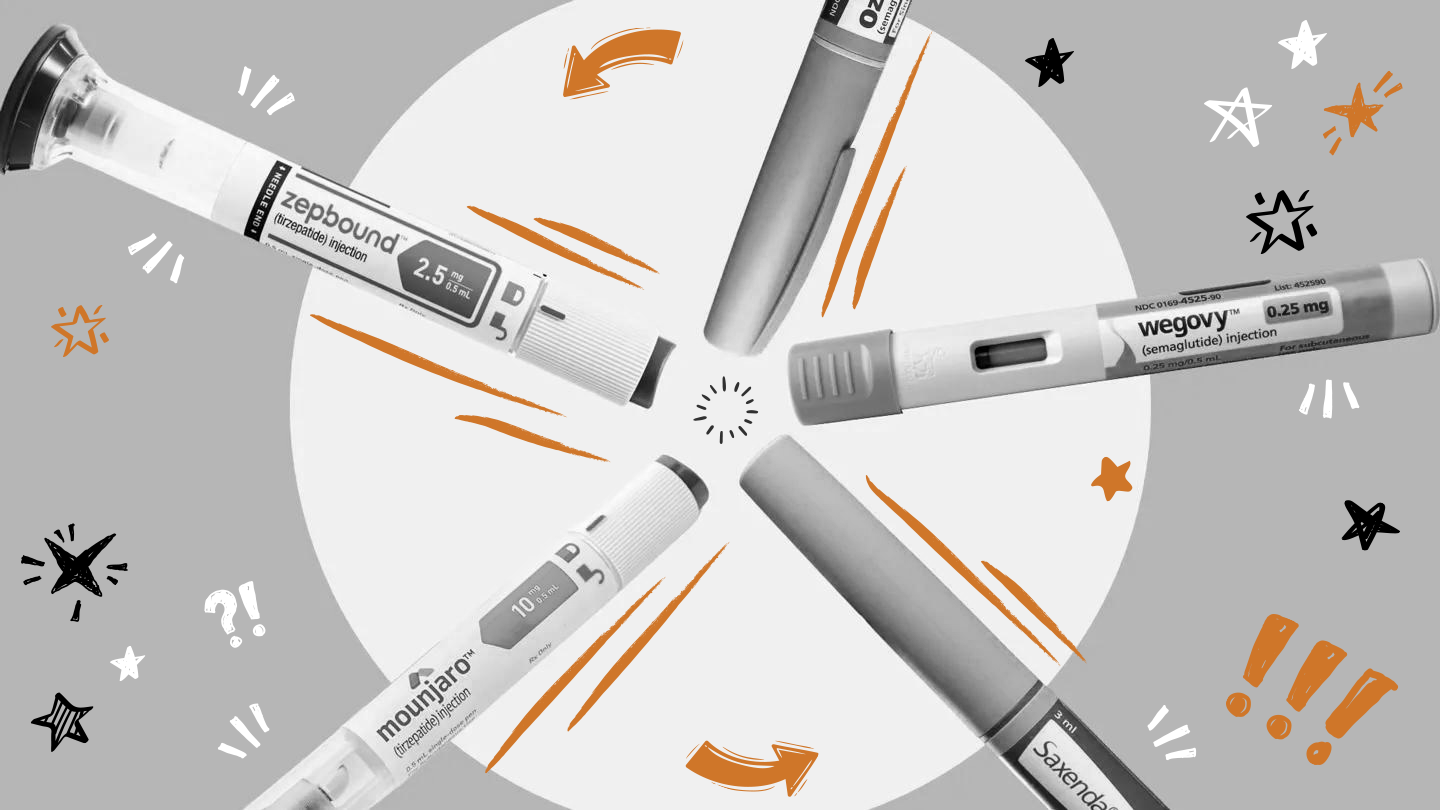
Users of highly popular weight-loss drugs like Ozempic and Wegovy report changes in their eating habits, a reduced need for meat, dairy, and highly processed foods. Such dietary patterns not only affect individuals but have the potential to gradually transform entire food chains from consumer demand to the way food is produced and distributed.
An increasing number of people who use GLP-1 therapy for the treatment of obesity notice natural changes in the way they eat. The need to consume meat, animal products, and highly processed foods decreases not because of a strictly prescribed diet, but because the relationship between hunger, satiety, and the desire for food changes. Scientists warn that as these drugs become more widespread, consumer habits could reshape the food industry in the long term, from production to product offering.
GLP-1 (glucagon-like-peptide-1) drugs were originally intended for people with Type 2 Diabetes as they help control blood sugar levels. These additional effects, including reduced appetite and prolonged satiety, have led to weight loss in numerous patients, resulting in official approvals for preparations such as Ozempic and Wegovy as body-weight management therapies.
The results of scientific studies and clinical trials in humans show that drugs in the GLP-1 agonist group can lead to a weight loss of 15% or more, while a growing number of recent studies indicate that their effects go beyond simply reducing appetite. Namely, it seems that GLP-1 drugs also influence changes in attitudes towards food, including reduced attraction to high-calorie and energy-rich foods. However, despite the growing interest in this topic, few published studies have examined in detail exactly which types of food are most commonly consumed less frequently by people using these drugs.

For this very reason, Brandon McFadden, an agricultural economist at the University of Arkansas, launched a study to analyze changes in food choices among users of GLP-1 therapy. The research was conducted through a survey that included 1.955 consumers, of whom 495 respondents were currently using one of the GLP-1 drugs. Participants rated whether, since using the therapy, they had increased or decreased their intake of 20 different food categories, including meat, eggs, dairy products, and industrially processed foods.
One of the most common patterns observed among users of GLP-1 therapy is a significant reduction in the intake of energy-rich meats. Almost half of the respondents who are currently using or have previously used medications against this flu said that they eat significantly less beef and pork, while only a small percentage stated that their intake of these foods has increased and is regular. A similar trend was observed for other animal products, including milk, chicken, fish, and eggs, whose consumption also decreased among many participants.
However, the most dramatic change concerns industrially processed foods. In line with previous research, more than 70% of respondents reported eating significantly less of these products during therapy and after it, indicating a strong shift in food preferences, lifestyle, and overall attitude towards food.
Unlike the mentioned categories, only a small number of foods recorded an increase in consumption. Participants commonly emphasized increased intake of fruits, green leafy vegetables, and water, suggesting that GLP-1 therapy not only affects the amount of food but also encourages the choice of more nutritionally valuable and simpler foods, thereby achieving a positive impact.
As the use of drugs in the GLP-1 therapeutic range is expected to continue to grow, McFadden noted that a decline in beef consumption will be almost inevitable. The market value of these drugs will reach approximately $71 billion in 2023, and projections indicate that by 2035, approximately 9% of the United States population could be using GLP-1 drugs on a regular basis.
McFadden points out that he does not see the possibility of maintaining the consumption of beef at the current level, given the clear changes in the dietary habits of users of these drugs.
Such a development would represent a radical departure from the current trends in nutrition and lifestyle. Over the past decade, meat consumption in the US has, according to reports from the Investigative Midwest organization, increased by about 10% on average since 2010, further highlighting the potential for a turnaround as habits change in the coming years.
However, McFadden emphasizes that the mechanisms underlying these changes in patients’ food preferences remain poorly understood. These indicate that GLP-1 therapies affect how the brain associates taste and reward, potentially reducing the appeal of sweets and fatty foods. This effect could be one of the crucial factors shaping the new eating patterns of users of these drugs.
Brian Roe, an economist at Ohio State University, has been actively studying how the GLP-1 group of drugs affects eating habits for years. He notes that McFadden’s research goes a step further than his own, focusing on the specific types of foods people eat or avoid during and after the therapy protocol. According to Roe, understanding these details can help clarify the potential effects of the rise in GLP-1 drug use on how US food is produced and distributed.
“This is significant as meat production is a very intensive process, with its own complex supply chain and high demand for grains, which are the primary source of animal feed,” explains Roe.Changes in dietary habits caused by these drugs could ripple through the entire agricultural system, from growing and processing food to global resource flows.
A similar trend was noted in research led by Sylvia Hristakeva from Cornell University. Her team found that households in which at least one person uses GLP-1 drugs spend less money on food during the month. In the first six months of using the drugs, meat costs fell by more than 5%, while egg consumption dropped slightly. These two categories were among the ten food groups on which households cut their spending the most.
Based on current adoption rates of GLP-1 drugs, the researchers estimate that total US grocery spending could fall by about 0.9% annually, or approximately $9 billion. Scientists, through numerous studies, warn that this trend could have a significant impact on traders, suppliers, and the entire food industry, as shifts in consumer habits alter economic flows across all levels of the supply chain.