

Rapid weight loss can result in changes to the face, such as reduced plumpness, sagging skin, and more pronounced wrinkles, giving the face a tired, worn-out, aged appearance. Although the start of the Ozempic therapy protocol is optimistic, given the expected results, it is crucial to be informed about all possible effects. One of them is the so-called “Ozempic face”. This change is aesthetic and occurs due to the loss of facial fatty tissue, but it can affect the youthful appearance.
What Is ‘Ozempic Face’?
The term “Ozempic face” describes changes in the face that can result from sudden weight loss. These phenomena include reduced subcutaneous fat tissue, loss of cheek fullness, more pronounced wrinkles, and sagging of the face and neck skin.
It is crucial to point out that these changes do not represent a direct side effect of the drug itself. They are the result of rapid weight loss, during which specific regions of the face important for a youthful appearance lose volume. Although the term “Ozempic face” has spread through social networks and gained popularity, it is not a medical term and is not used in official medical practice. Also, such changes are not related exclusively to the application of Ozempic. A similar facial appearance can also occur after other aesthetic procedures or drastic lifestyle changes that lead to rapid weight loss.
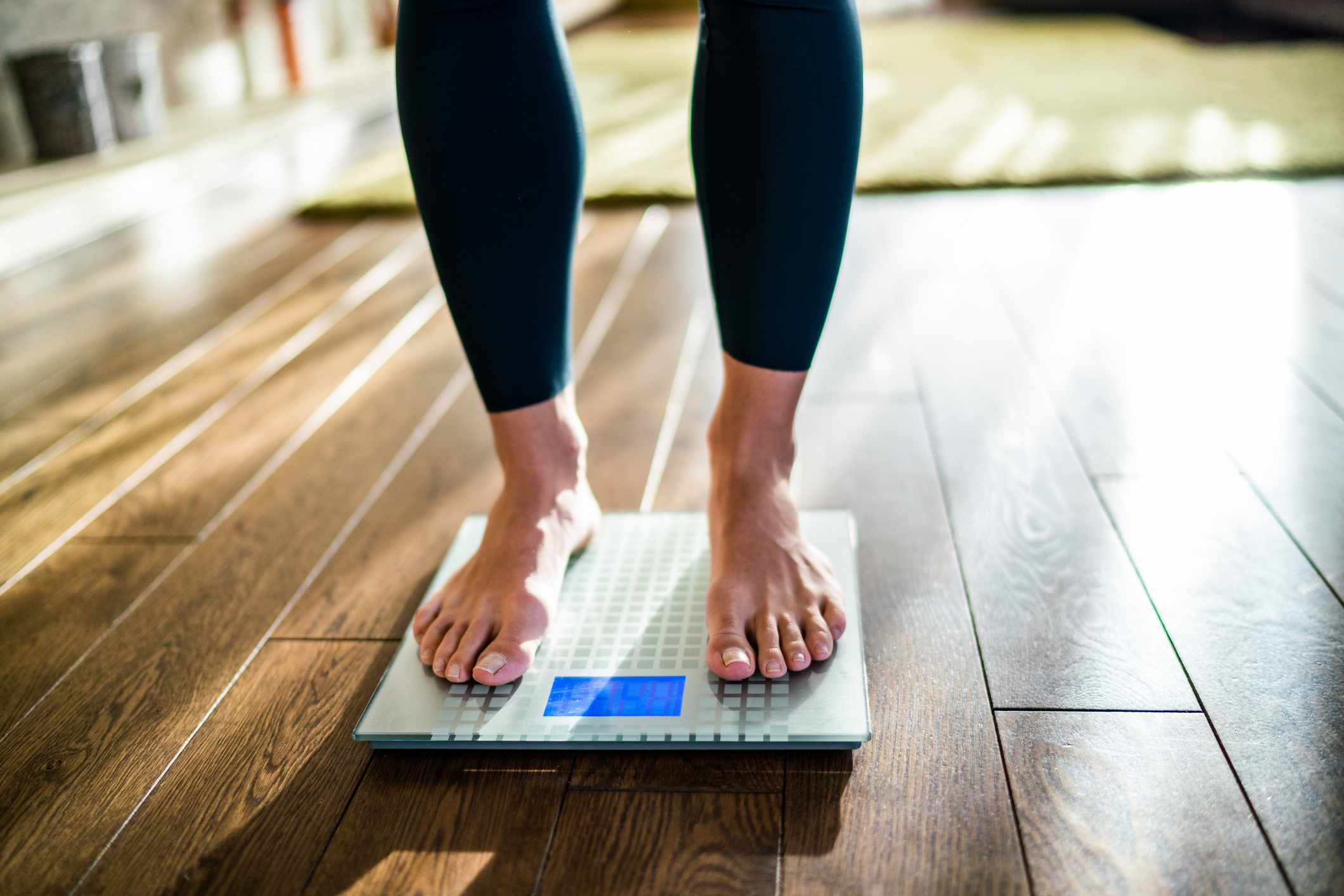
Modern therapies for body weight regulation, such as the peptides Semaglutide and Tirzepatide, are often associated with these aesthetic changes, as they allow patients to reach a weight in a short period that they have not achieved in years. It is precisely this speed of change that plays a key role in the appearance of facial changes.
How Ozempic Can Affect the Face?
A sudden decrease in the percentage of facial fatty tissue naturally alters its structure, dynamics, and appearance. However, instead of just looking slimmer, the face can take on a more mature and tired look. The reasons for such effects include:

Decreases Facial Fat
“Ozempic face” happens because subcutaneous adipose tissue plays a crucial role in maintaining the fullness, contours, and youthful freshness of the face. During rapid weight loss, there is a pronounced loss of volume in regions such as the cheeks and jawline, leading to slight dimpling and skin sagging. This effect is especially pronounced in the face and neck area. These changes are not sudden in onset but become more visible when body weight decreases rapidly.
Speeds Up Signs of Aging
The processes of natural aging are then accelerated. Instead of the gradual loss of subcutaneous fat tissue that occurs over the years, sudden weight loss can result in similar changes but appearing significantly earlier, creating the impression of premature aging.
Causes Skin to Become Less Elastic
In addition to the loss of volume, there are also changes in the skin’s quality. Rapid fluctuations in body weight can reduce the levels of collagen and elastin, the proteins responsible for skin firmness, elasticity, and structural support. As a result, the skin can become thinner, less elastic, and more prone to sagging.
The intensity and speed of weight loss are key factors in how much facial change will manifest. When weight is reduced rapidly, the face is more likely to lose some of its natural fullness and clearly show signs of a change in body composition, leading to an aged appearance.
Such changes are common because many people strive to achieve desired results as quickly as possible, often adjusting their therapy to accelerate weight loss. However, such dynamics of slimming lead to earlier and more pronounced aesthetic changes on the face.
The older population is also sensitive to these changes, as age is associated with a natural decrease in subcutaneous fat tissue. Therefore, even a relatively moderate loss of body mass can result in more visible changes in facial contours and skin quality.
Examples of What it can Look Like
Sudden weight loss can affect the appearance and structure of the face. Changes that usually develop gradually over the years can become visible in a short period. After thinning, the face may lose some of its natural freshness and volume, and the following characteristics appear:
Wrinkles
A decrease in collagen levels and the skin’s supporting structure leads to a loss of smoothness and elasticity, making wrinkles more noticeable.
Sunken Eyes
Loss of fat pads in the eye region can result in deeper-set eyes and more pronounced shadows.
Thin Lips
The loss of fatty tissue that contributes to facial volume can make the lips appear thinner and less expressive.
Sagging Skin
Rapid weight loss can lead to excess skin, especially in the cheeks and lower jaw, creating the impression of lowered facial contours.
More Prominent Bone Structure
With reduced subcutaneous fat, the cheekbones and jawline become more visible, altering the balance and softness of the facial features.
How to Avoid Ozempic Face?
To reduce the risk of facial changes from sudden weight loss, it is best to adopt a gradual approach.
“Aim for a slower pace of weight loss – about a pound to a pound per week,” advises Dr.Makin.
“These changes can be further mitigated if you combine Ozempic therapy with a healthy diet and regular exercise.”
Additional tips for maintaining healthy and supple skin while using weight loss medications are various and include:
- Maintaining a regular and consistent skin care routine.
- Use an appropriate sun protection factor every day, year-round.
- Be sure to get enough protein, which helps preserve muscle mass while losing fat tissue.
- Hydrate yourself, as good hydration helps the skin maintain its elasticity and youthful appearance.
Does Ozempic Face Go Away?
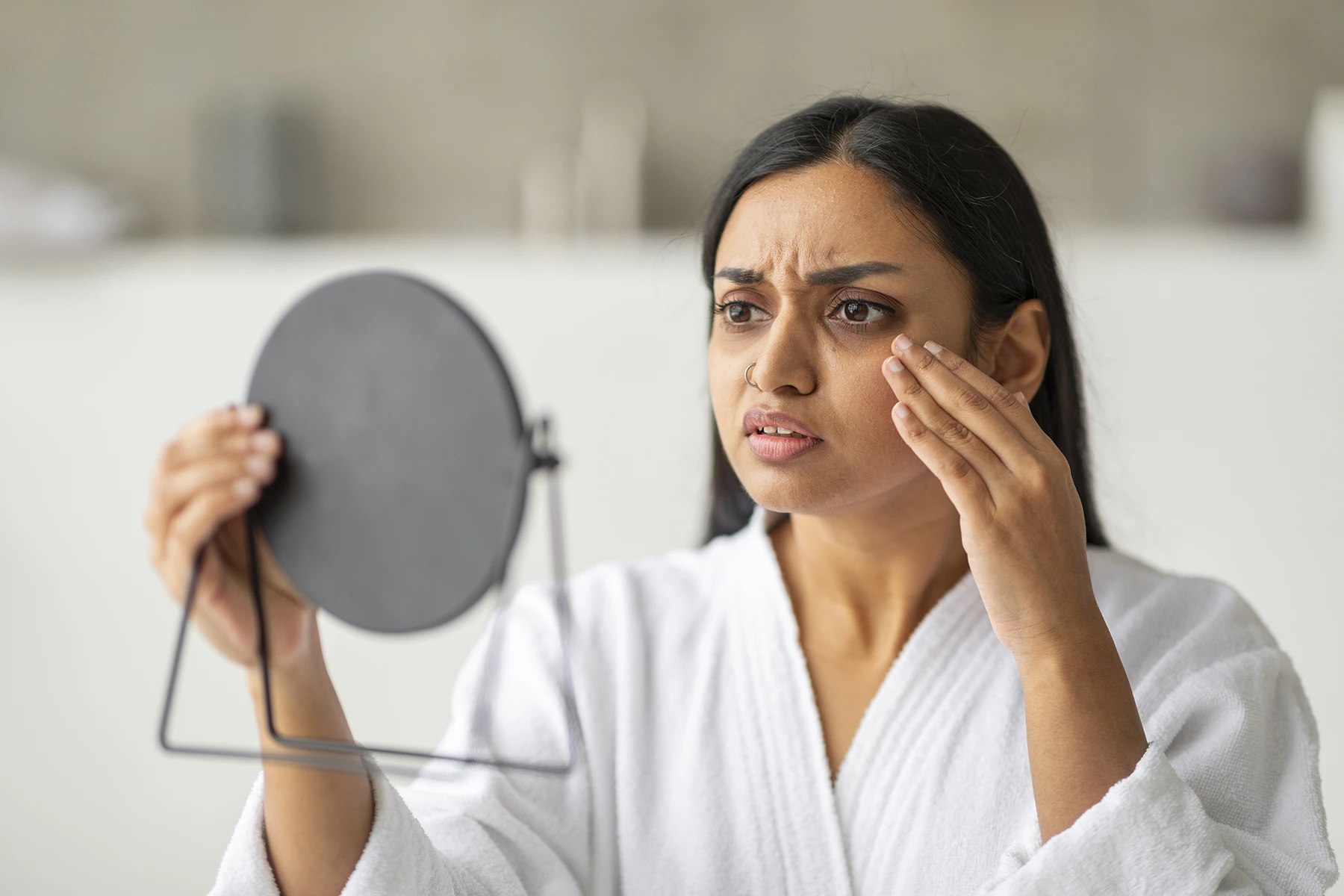
Facial changes caused by rapid weight loss usually do not resolve on their own and require effort to eliminate. If you regain fullness during weight maintenance, these aesthetic changes often persist long-term. However, there are many options that can help preserve or restore the youthful appearance of the face:
- Non-invasive treatments such as microneedling, PRP (platelet-rich plasma) injections, and radiofrequency skin tightening can improve skin elasticity and reduce wrinkles.
- Injectable treatments: Botox and dermal fillers can smooth wrinkles and fill lines, while lip fillers restore volume and definition to thin lips.
- Cosmetic procedures: cheekbone implants for more cheek definition, lip or facial fat grafting, and a facelift to tighten sagging face and neck skin.
It is important to emphasize that “Ozempic Face” does not imply health risks, and the treatment is purely an aesthetic option, needed only if the person wants a change.
Final Thoughts
Don’t let concerns about facial skin and muscle changes keep you from using medicine that can help you achieve and maintain a healthy weight. If you are starting a therapy protocol with medications such as Ozempic, Wegovy, or Mounjaro, you must openly discuss your questions and concerns about the effects of rapid weight loss on your facial appearance with your doctor. A doctor can help you design an individual weight loss plan that is gradual and stable, reducing the risk of accelerated signs of aging.