

Key Takeaways:
- Semaglutide (trade name Wegovy) is a therapeutic option for weight management, available as a subcutaneous injection and tablet form. The greatest effect is achieved when it is part of a wider therapy plan that includes proper nutrition and regular physical activity.
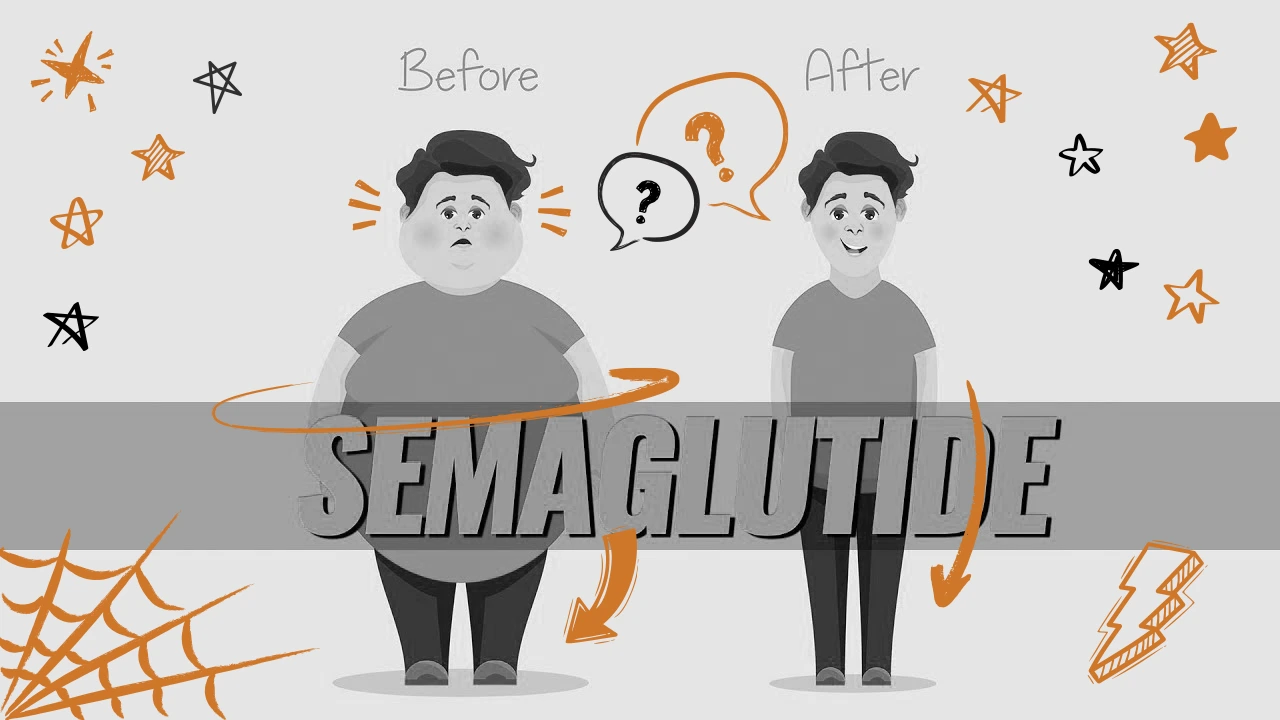
- Clinical studies showed that adult patients who used the injectable form of Semaglutide achieved an average body weight reduction of almost 15% from baseline. A similar percentage of reduction was recorded in subjects who took the drug in tablet form. In adolescents, an average weight loss of approximately 15% was observed in research.
- Financial benefits are available to initiate therapy with Wegovy, a form of Semaglutide that is FDA-approved for weight control. First-time GoodRx users can get a promotional price on their first two therapeutic purchases: $199 per month for the injectable and $149 per month for the oral form. The offer is limited to specific doses.
In June 2021, the U.S. The Food and Drug Administration (FDA) has approved the use of the drug Semaglutide (Wegovy) as a therapeutic option for the treatment of obesity in adults, in the form of a once-weekly subcutaneous injection.
Interest in this drug began during clinical trials, when patients lost an average of 15% to 18% of their initial body weight. Such results represented an improvement over the effectiveness of other available pharmacological options for weight loss.
In the meantime, an oral formulation of Semaglutide was also approved, which gives patients the possibility of consuming the drug without the use of a needle, while maintaining its effectiveness. With multiple forms available, Semaglutide is among the most popular weight control drugs today.
However, the question of whether this therapy is the right choice for the individual and whether it requires wider evaluations remains. Although Semaglutide may have a more pronounced effect than other drugs, the choice of therapy should be based on each patient’s health status, goals, and potential risks. The crucial information to consider is highlighted below.
What Is Semaglutide?
Semaglutide is a GLP-1 receptor agonist that mimics the effects of a natural hormone that helps regulate blood sugar and appetite. It is available in several pharmaceutical forms – as a subcutaneous injection under the names Ozempic and Wegovy, as oral therapy under the brand name Ryblesus, and Wegovy tablets.
The first regulatory approval was issued in 2017 for Ozempic, which is administered once weekly in adult patients with Type 2 Diabetes. A few years later, an oral variant – Ryblesus – was approved. With the development of higher doses (injectable and oral), the therapeutic use of Semaglutide was extended to control body weight, thereby expanding its role beyond diabetes treatment.
Today, some formulations of this drug are used not only for the treatment of Type 2 Diabetes and obesity, but also as a measure to reduce cardiovascular risk in most patients, as well as in chronic kidney disease and specific forms of metabolically related liver diseases, Additional scientific research and clinical studies are ongoing, indicating the possibility of further expansion of indications in the future.
How Does Semaglutide Work for Weight Loss?
Semaglutide mimics the action of the natural hormone GLP-1, regulating food intake and digestive processes. Its effect on reducing body weight is associated with several simultaneous mechanisms:
- Extends the time food stays in the stomach (slows gastric emptying), contributing to a longer feeling of satiety after a meal.
- The brain centers that control hunger and satiety thus affect calorie intake.
- It can reduce the need for high-calorie foods, especially those rich in sugars or salt.
However, specific effects, such as delayed gastric emptying, may gradually weaken over time as the body adapts. On the other hand, the effect on appetite and food intake is mostly present during therapy, and it can be reduced when therapy is stopped.
Who Should Take Semaglutide for Weight Loss?
Before starting Semaglutide therapy for weight loss, it is necessary to talk to your doctor about the expected effects and possible side effects. This medicine is not a universal solution and is not an ideal option for every patient.
Also, the therapy is generally planned as a long-term strategy, as stopping the application can lead to a return of the lost weight. Semaglutide has been studied in specific groups of adults and adolescents who meet pre-defined body mass index (BMI) criteria. Under the trade name Wegovy, this drug is currently indicated for:
- Adults and adolescents over 12 years of age with a diagnosis of obesity (the tablet is only approved for adults)
- Overweight adults who have a comorbidity associated with being overweight, such as high blood pressure or dyslipidemia.
In other words, the decision to introduce therapy should be carefully considered and adapted to each individual, with an assessment of benefits and potential risks.
Semaglutide can also be observed in people who do not meet the official criteria for therapy. This application is referred to as “off-label”, which means that the U.S. The Food and Drug Administration has not approved the drug for that purpose or confirmed its safety and effectiveness.
However, this does not mean the therapy is ineffective. Based on the assessment of the health condition, risk factors, and potential benefits, the doctor can conclude that the use of Semaglutide is appropriate even in such a situation. Such decisions are made with professional monitoring and continuous evaluation of effects.
Who Should Not Take Semaglutide?
Avoidance of GLP-1 agonists, including Semaglutide, may be recommended in some patients because of specific health risks. This recommendation especially applies to people who have:
- Personal or family history of medullary thyroid cancer.
- Multiple endocrine neoplasia syndrome Type 2.
- Diagnosed with pancreatitis (inflammation of the pancreas).
- Severe gastrointestinal disturbance (gastroparesis), i.e., slow stomach emptying.
- Allergic reaction to Semaglutide or one of the inactive components of the drug.
Therefore, before starting therapy, the healthcare team will analyze your medical history, current health status, and other factors to assess whether Semaglutide is safe for you.
What is the Semaglutide Dosage for Weight Loss?
Semaglutide is available as an injection and as a tablet, called Wegovy. Regardless of the form, therapy begins with a lower dose that is gradually increased until the target dose is reached. Below is an example of a typical dosage regimen when used for weight loss.
|
Injectable Semaglutide (Wegovy pen) dosage |
Oral Semaglutide (Wegovy pill) dosage |
|
|
The dosage schedule is designed to reduce the possibility of side effects and facilitate the body’s adaptation to the drug. If you notice that you cannot tolerate the therapy, the doctor can adjust the dose or decide to stop taking it.
What Happens If you Miss a Dose of Semaglutide?
What if you skip a dose of Semaglutide? Don’t worry – there is a way to get back into the mode.
- Injection: if the next dose is more than 2 days (48 hours) away, administer the missed dose and continue with the schedule. If the next dose is less than 2 days away, skip the missed dose and continue as planned.
- Tablet: Skip the missed dose and take the next one as scheduled the next morning.
How to Inject Semaglutide?
Wegovy (Semaglutide) comes as a disposable injectable foam. The dose is already set, and the needle is attached. Each pen contains one dose and is thrown away after use. Here are the basic steps:
- Choice of injection site: Inject the medicine subcutaneously in the abdomen, upper arm, or thigh. If you’re picking the upper arm, it’s better to have another person do it because of the awkward angle. Rotate injection sites weekly to minimize skin reactions.
- Skin preparations: Clean the area with alcohol and wait for it to dry. Do not blow on the skin to speed up drying.
- Remove the foam cap immediately before the injection. The needle is hidden in the cap and cannot be seen.
- Dose administration: Press the foam firmly on the skin to activate the injection. You should hear a “click,” and the yellow bar starts to move, followed by another click. Hold the pen until the tape stops completely.
- Disposal: Throw the used pen into the container.
Ozempic, another Semaglutide injection, is sometimes used “off-label” for weight loss. Ozempic pen works differently from Wegovy, and composite Semaglutide is usually supplied in a vial with syringes and requires specific administration instructions.
How to Take Semaglutide Pills?
Oral Semaglutide (Wegovy tablets) is taken daily. Since the drug is less well absorbed in this way, daily intake can help maintain its level in the body.
For the dose to be properly absorbed, follow these guidelines:
- Take the tablet immediately in the morning, on an empty stomach.
- Swallow it whole, with no more than 120ml of water.
- Wait at least 30 minutes before eating, drinking, or taking other medications.
What Do We Know About Semaglutide Side Effects?
Gastrointestinal side effects occur most often with Semaglutide for weight loss, especially when you are just starting treatment or after increasing the dose. The most common symptoms include:
- Nausea and vomiting
- Diarrhea
- Stomach Pain
- Prison
- Headache
- Fatigue
Rarely, Semaglutide can cause severe problems:
- Pancreatitis (inflamed pancreas)
- Gallbladder disorders
- Kidney damage
- Low blood sugar
- Rapid heartbeat
- Worsening of eye problems in patients with diabetes
The FDA has also warned about the potential risk of C-cell tumors of the thyroid gland. Although such tumors have not been reported in humans so far, they have been observed in animal studies.
How Long Do Semaglutide Side Effects Last?
Most side effects of Semaglutide are temporary and lessen as the body gets used to the drug. Following the recommended dosing schedule can help keep symptoms milder and last longer.
If you notice that the side effects become severe, do not go away, or interfere with your daily routine, be sure to contact your doctor. He may suggest increasing the dose slowly, reducing the current dose, changing the drug, or stopping therapy. Although less common, severe symptoms such as severe abdominal pain, persistent vomiting, or signs of dehydration require immediate medical intervention.

Can Semaglutide Interact with Other Medications?
Yes, Semaglutide may interact with diabetes medications, especially insulin and medications that stimulate insulin secretion (sulfonylureas). Such combinations may increase the risk of low blood sugar (hypoglycaemia).
Because Semaglutide slows gastric emptying, it may affect the absorption of oral medications, and some medications may decrease the absorption of Semaglutide tablets if taken at the same time. Your doctor can assess which interactions are relevant and how best to manage them.
Also, it is recommended that alcohol be avoided or limited during therapy, as it can increase side effects, make weight loss more difficult, and reduce the cardiovascular benefits of the drug.
How Does Semaglutide Compare to Other Weight-Loss Medications?
The largest clinical trial showed that participants lost an average of about 15% of their starting body weight over 68 weeks (almost 16 months). In a similar study in adolescents, the average weight loss was also 15% over the same period. Studies have shown comparable results in weight loss. So how does Semaglutide stack up against other weight loss drugs?
Semaglutide vs. Common Weight-Loss Pills?
There are several oral medications for weight loss. Oral preparations are usually less expensive, but weight loss may be less.
- Phentermine: A popular drug (Adipex-P) that has been around since 1959. It is approved for short-term use (up to 12 weeks) and is inexpensive. It is possible to develop tolerance, and there is a risk of addiction and abuse.
- Qsymia: A combination of Phentermine and Topiramate. Unlike Phentermine, it can be used for a longer period. Studies show an average weight loss of 5% (lower doses) to about 10% (higher doses). Women who can become pregnant must be part of a mandatory risk control program, as the drug can harm the fetus.
- Contrave: Contains bupropion and naltrexone. Combined with diet and exercise, the average weight loss was about 9% after 56 weeks. The drug also has several potential interactions with other drugs.
Liraglutide vs. Semaglutide
Liraglutide (Saxenda) is the first GLP-1 agonist approved for weight loss and is taken once daily. Studies have shown an average weight loss of about 8% after 56 weeks. Semaglutide is administered once weekly, stays in the body longer, and has shown greater weight loss in studies.
Both drugs are approved for adults and adolescents over 12 years of age, but only Semaglutide has additional approval for cardiovascular and hepatic indications.
Tirzepatide vs. Semaglutide
Tirzepatide (Zepbound) is a once-weekly injection approved for adults with moderate obstructive sleep apnea and for weight loss. It is also marketed under the name Mounjaro for people aged 10 years or older with Type 2 Diabetes.
Similar to Semaglutide, Tirzepatide mimics GLP-1 and also acts as a glucose-dependent insulinotropic polypeptide (GIP), which may provide additional benefits.
Compared with Semaglutide, users of Tirzepatide in the studies lost more weight on average (20% vs. 14). However, Tirzepatide is not yet approved for cardiovascular or hepatic indications.
How to Save on Semaglutide
There are options to save money on Semaglutide:
- GoodRx: New users can pay an introductory price for the first two packs – $199 per month for the injection and $149 for the pill (for some doses). For subsequent packs and other doses, the prices are $349 for the injection and $299 for the tablet.
- Manufacturer’s card: With commercial insurance, you can pay as little as $25 for Wegovy (injection or tablet) with a manufacturer’s card.
GoodRx for weight loss subscribers also have access to approved GLP-1 medications, such as Wegovy.
Frequently Asked Questions
Is Ozempic Semaglutide?
Yes, Ozempic is a drug that contains the active substance Semaglutide. Semaglutide is a GLP-1 agonist that regulates blood sugar levels and appetite suppression. This ingredient is also found in other medications, such as Wegovy (for weight loss) and Rybelsus (an oral tablet for Type 2 Diabetes). All of these products use Semaglutide, but are approved for different indications and come in different forms and dosages.
How Much Do You Lose on Average with Semaglutide?
In clinical trials, patients using injectable Semaglutide for weight loss lost an average of about 15% of their initial body weight over 68 weeks (almost 16 months). Similar results were reported with Semaglutide tablets. The outcome is individual depending on the dose, lifestyle, and other factors.
How Can You Get a Semaglutide Prescription for Weight Loss?
Your doctor must first decide whether Semaglutide is right for you, taking into account your medical history, weight, and health goals. The examination can be performed in person or via telemedicine (through GoodRx for Weight Loss), according to your state’s regulations. If the doctor approves the treatment, the prescription can be sent to the pharmacy for pickup or delivery.
Are Weight-Loss Injections Safe in the Long Term?
Research to date shows that GLP-1 injections for weight loss, such as Semaglutide, are safe when used as directed. However, since they are a relatively new drug, the possible long-term side effects and risks of their use are still being investigated. Talk to your doctor about safety and whether this therapy is right for you.
Bottom Line
Semaglutide (Wegovy) can help with weight loss when combined with healthy habits, such as regular exercise and a balanced diet. The drug is available in both injection and oral forms. Clinical studies have shown that Semaglutide users lost an average of about 15% of their initial body weight.
While it may be effective for many people, it is not ideal for everyone. It is also essential to consider possible side effects, interactions with other drugs, and the cost of therapy. Consult with your doctor to determine if Semaglutide is the right choice for your treatment plan.