

The Donald Trump administration has agreed to work with pharmaceutical giants Eli Lilly and Novo Nordisk to lower the price of weight-loss drugs for some beneficiaries of the government’s Medicare and Medicaid programs. The plan also includes the launch of a new program that will allow citizens to buy GLP-1 therapies directly at more favorable prices.
The move is expected to expand access to the therapy and relieve financial burdens for millions of people. Until now, these drugs were covered only in cases when obesity is associated with other diseases, including diabetes or sleep apnea, but now the list of indications is expanding.
According to the new conditions:
- Therapies such as Ozempic, Wegovy, Mounjaro, and Zepbound will cost around $245 per month.
- Medicare beneficiaries will pay approximately $50 out of pocket.
- Medicaid beneficiaries will have almost no costs in most cases.
In addition, tablet versions of these drugs, which are in development, could further reduce the price to about $149 per month, but only after receiving FDA approval.
The new digital platform TrumpRx.gov allows patients to buy drugs directly. The starting price for new users will be about $149 per month, with an average price of about $350. Over the next two years, it is planned to drop to approximately $245.
However, it is still not clear how many people will actually feel these discounts. Within the Medicare system, participation depends on the number of insurance plans that plan to join, as the program is initially voluntary. With Medicaid, the decision will depend on each state’s financial capabilities.
Experts warn that the effect is difficult to project, although the potential is certainly there. Eli Lilly CEO David Ricks said a Medicare pilot is expected in the spring, assuming most plans will opt in, while participation could become mandatory starting in 2027.
The impact on private insurance customers remains unclear, though both companies have announced possible price reductions. Drugs such as Wegovy and other GLP-1 therapies manufactured by Novo Nordisk and Eli Lilly are used not only for weight management, but also for controlling sugar in Type 2 Diabetes and reducing cardiovascular risk.
According to KFF data from 2024, about 12% of adults have already used a GLP-1 therapy. Secretary of Health Robert F. Kennedy Jr. said that these drugs are not the “ultimate solution” to obesity, but that the reduction in prices could have a significant impact on the cost of treating metabolic and heart disease.
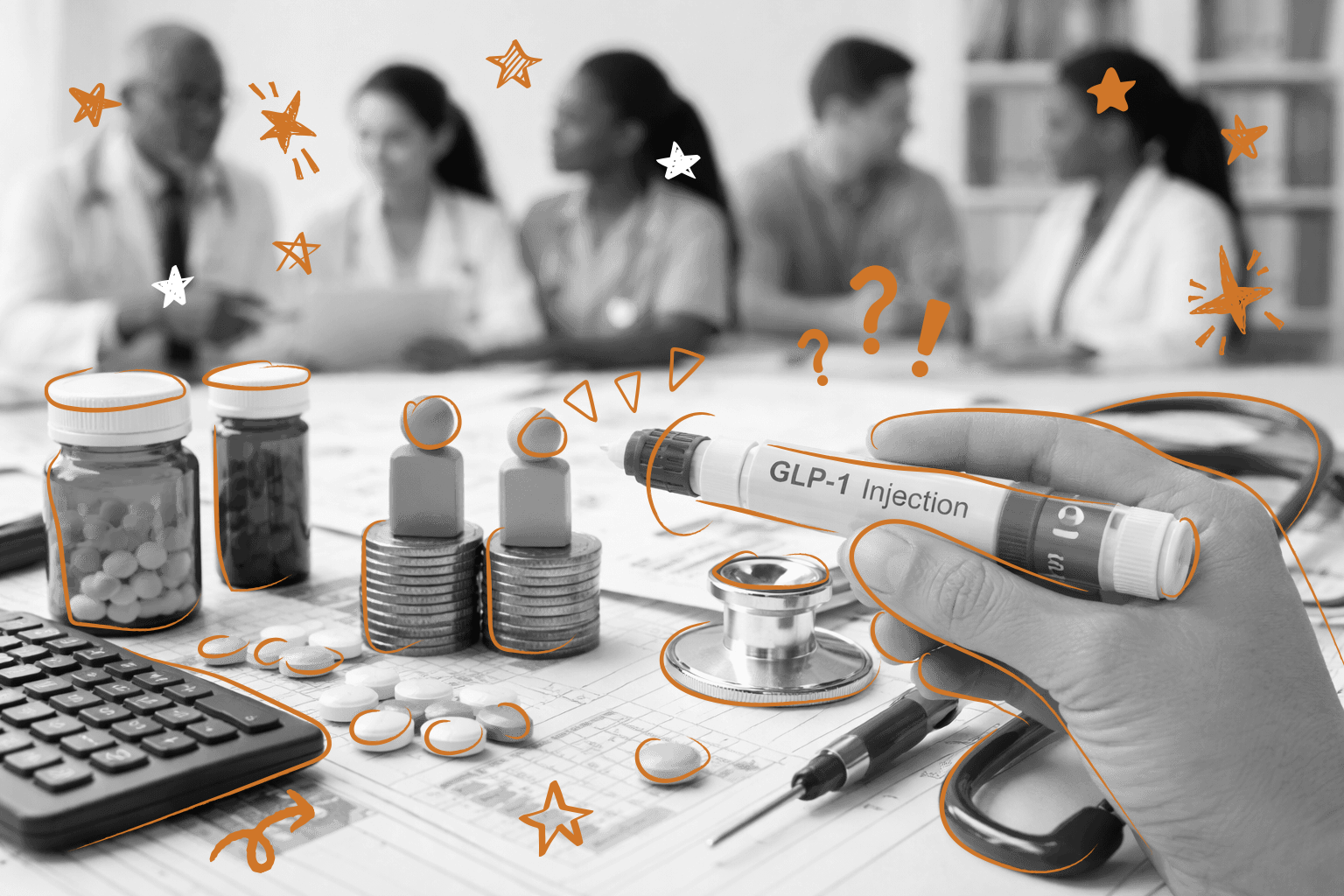
Robert F. Kennedy Jr emphasized that the problems of chronic disease cannot be solved without reducing obesity. As part of the deal, pharmaceutical companies Eli Lilly and Novo Nordisk also agreed to lower prices through the TrumpRx.gov platform in exchange for regulatory and policy relief, including greater certainty regarding customs duties, although details were not disclosed.
The agreement also includes an obligation to make drugs available to the Medicaid program at the most favorable prices, as well as to apply similar conditions to future products. The FDA plans to speed up approval of new therapies through priority vouchers. Eli Lilly CEO David Ricks said the new weight-loss therapy is expected to be approved soon, so it could enter the Medicare pilot program as early as spring.
The new guidelines extend the right to therapy to people with severe obesity or obesity associated with diseases, that is, to patients with high metabolic and cardiovascular risk. The authorities believe that the goal is not only to reduce body weight, but to prevent serious complications such as heart attack, stroke, and kidney failure.
The decision represents a change from previous policies, and the administration describes it as a “better deal” due to lower prices and wider availability. KFF research shows that about 60% of citizens support covering these drugs through Medicare.
At the same time, under the Inflation Reduction Act, Medicare is already conducting separate price negotiations for drugs like Ozmepic and Wegovy, which are set to go into effect in 2027, and it is not yet known how that system will fit with the new agreement.