

Healthy eating is no longer just a trend—it is a lifestyle choice embraced by people seeking better energy, improved digestion, and long-term wellness. Healthy recipes play a vital role in this shift, proving that nutritious meals do not have to be boring, expensive, or difficult to prepare. With the right ingredients and cooking techniques, anyone can create meals that nourish the body while satisfying the palate.
This article explores what defines healthy recipes, the ingredients that support clean eating, and practical meal ideas that make healthy cooking enjoyable and sustainable.
Understanding Healthy Recipes
Healthy recipes focus on providing essential nutrients while limiting excess calories, unhealthy fats, and artificial additives. Instead of relying on processed foods, these recipes prioritize whole ingredients that are naturally rich in vitamins, minerals, fiber, and antioxidants.
A balanced healthy recipe typically includes:
-
Lean protein for muscle repair and satiety
-
Complex carbohydrates for sustained energy
-
Healthy fats for brain and heart health
-
Fiber-rich fruits and vegetables to aid digestion
The goal is not restriction, but balance—allowing the body to function optimally while still enjoying a variety of flavors and textures.
Key Ingredients for Healthy Cooking
Stocking your kitchen with nutritious staples makes it easier to prepare healthy meals at home.
Fresh Produce
Vegetables and fruits form the foundation of healthy recipes. Leafy greens like spinach, kale, and arugula are rich in iron and antioxidants, while colorful vegetables such as bell peppers, carrots, and tomatoes provide essential vitamins. Fruits like berries, oranges, and apples add natural sweetness and fiber.
Quality Protein Sources
Protein is essential for maintaining muscle mass and supporting metabolism. Healthy recipes often use:
-
Skinless chicken or turkey
-
Fish such as salmon, tuna, or mackerel
-
Eggs
-
Legumes like lentils, beans, and chickpeas
-
Plant-based proteins including tofu and tempeh
Whole Grains
Whole grains are a better choice than refined grains because they contain more fiber and nutrients. Examples include brown rice, quinoa, oats, bulgur, and whole-grain pasta.
Healthy Fats
Fats are an important part of a balanced diet when consumed in moderation. Healthy recipes incorporate:
-
Olive oil and avocado oil
-
Nuts and seeds
-
Avocados
-
Fatty fish rich in omega-3 fatty acids
Natural Flavor Enhancers
Herbs, spices, garlic, ginger, citrus, and vinegar enhance flavor without excessive salt or sugar, making meals both tasty and nutritious.
Healthy Breakfast Recipes for a Strong Start
A nutritious breakfast helps regulate blood sugar levels and provides energy for the day ahead.
Oatmeal with Fruit and Nuts
Made with rolled oats, fresh fruit, and a sprinkle of nuts or seeds, oatmeal is rich in fiber and keeps you full for hours.
Egg and Vegetable Scramble
Eggs cooked with spinach, tomatoes, onions, and peppers create a protein-packed meal that supports muscle health and mental focus.
Smoothies
Blending fruits, leafy greens, yogurt, and seeds offers a quick, nutrient-dense breakfast ideal for busy mornings.
Balanced Lunch and Dinner Ideas
Healthy lunches and dinners should be satisfying without causing heaviness or fatigue.
Grilled Chicken with Brown Rice and Vegetables
This classic healthy meal provides lean protein, complex carbohydrates, and essential vitamins from vegetables.
Baked Fish with Sweet Potatoes
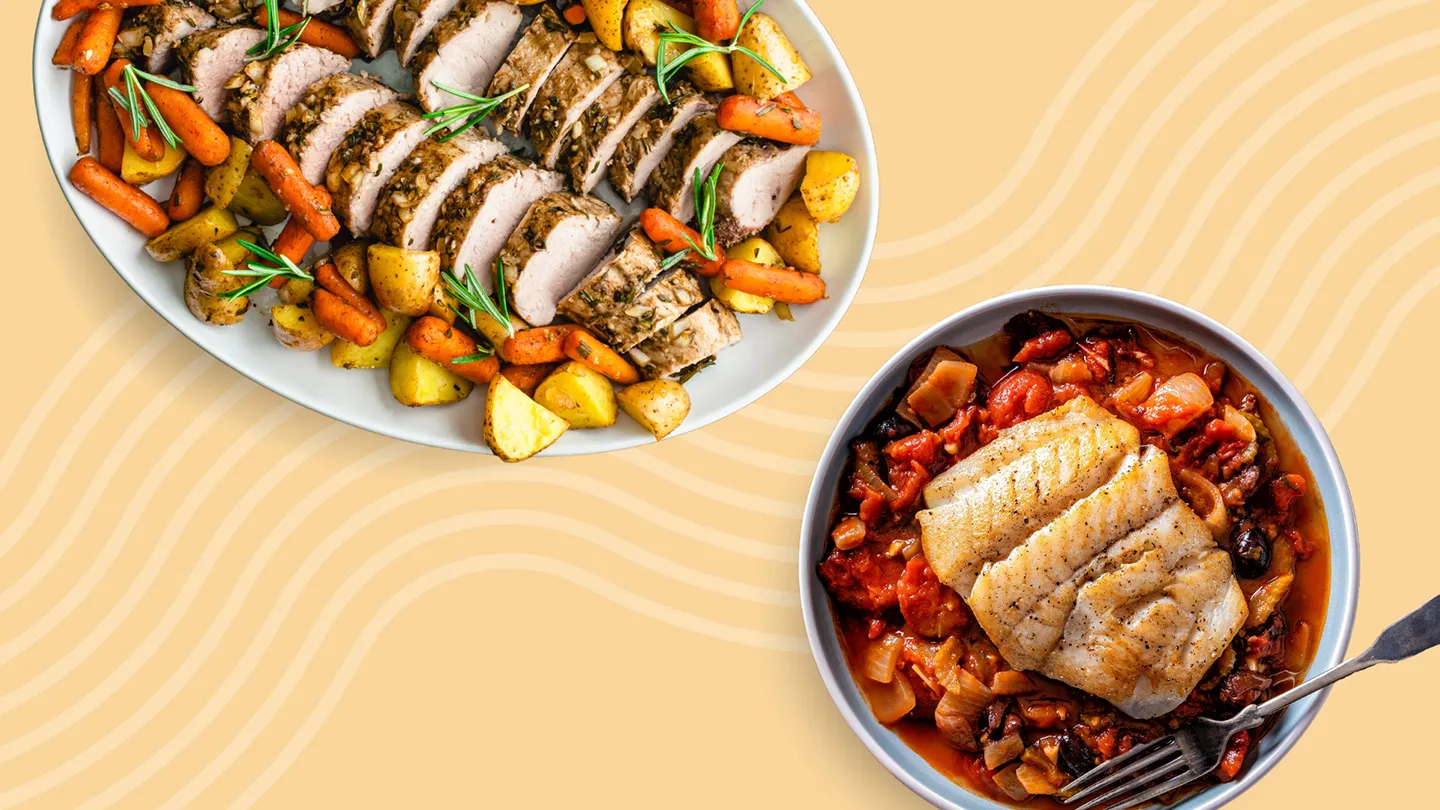
Fish offers heart-healthy fats, while sweet potatoes deliver fiber and slow-digesting carbs that maintain steady energy levels.
Vegetable-Based Stir-Fry
Using minimal oil and plenty of vegetables, stir-fries are versatile, quick, and nutrient-rich. Adding tofu or lean meat increases protein content.
Smart and Healthy Snacks
Snacking can support healthy eating when choices are mindful.
Greek Yogurt with Honey and Berries
High in protein and probiotics, Greek yogurt supports gut health and keeps hunger at bay.
Homemade Trail Mix
A mix of nuts, seeds, and a small amount of dried fruit provides energy without artificial additives.
Hummus with Fresh Vegetables
Chickpea-based hummus paired with carrots, cucumbers, or bell peppers makes a fiber-rich, satisfying snack.
Healthy Cooking Methods That Matter
How food is prepared is just as important as the ingredients used. Healthy recipes often rely on cooking techniques that preserve nutrients and reduce excess fat.
-
Steaming helps retain vitamins in vegetables
-
Baking and roasting enhance flavor without frying
-
Grilling reduces fat content while adding a smoky taste
-
Light sautéing with healthy oils maintains texture and nutrients
Avoiding deep frying and processed sauces helps keep meals nutrient-dense and calorie-controlled.
Making Healthy Recipes a Daily Habit
Consistency is key to long-term healthy eating. Planning meals in advance, preparing ingredients ahead of time, and cooking in batches can save time and reduce reliance on unhealthy convenience foods.
Flexibility is also important. Allowing room for occasional indulgences prevents feelings of restriction and makes healthy eating more sustainable. The goal is progress, not perfection.
Conclusion
Healthy recipes offer a practical and enjoyable way to support overall well-being. By focusing on whole ingredients, balanced nutrition, and mindful cooking methods, anyone can create meals that fuel the body and delight the senses. From energizing breakfasts to nourishing dinners and smart snacks, healthy recipes make it possible to eat well without sacrificing flavor.
Incorporating healthy recipes into daily life is an investment in long-term health, energy, and vitality—one delicious meal at a time.