

In an age of quick fixes, dramatic transformations, and highlight-reel workouts, fitness can seem overwhelming. Countless programs promise fast results, while social media showcases perfectly sculpted bodies that may feel worlds away from your reality. But fitness doesn’t have to be intimidating or extreme. At its core, fitness is about taking care of your body so you can live with strength, energy, and confidence — not just for a season, but for life.
What Fitness Really Means
Many people think fitness equals “working out,” but it actually refers to your body’s ability to function efficiently in everyday life. Fitness is being able to walk up stairs without getting winded, lift groceries with ease, play with your children, move without pain, and maintain your health as you age.
It includes several key components:
-
Endurance — how long you can sustain activity
-
Strength — how much force your muscles can produce
-
Flexibility and mobility — how well your joints move
-
Balance and stability — your ability to control movement
-
Body composition — your ratio of muscle to fat
A balanced fitness routine addresses all of these, not just one.
Why Starting Small Works Best
One of the biggest barriers to fitness is the belief that you must go “all in” — daily workouts, strict diets, and massive lifestyle changes. But the human body (and mind) thrives on gradual progress. Small, consistent actions compound over time.

If you’re just beginning, start with simple commitments:
-
Walk 20–30 minutes most days
-
Add light strength exercises twice a week
-
Stretch daily, even for five minutes
-
Stand and move regularly if your job involves sitting
Change doesn’t need to be dramatic to be meaningful.
Strength Training: A Game-Changer for Every Body
Strength training is often misunderstood. Some people fear it will make them bulky, while others assume it’s only for young athletes. In reality, everyone benefits from strength training, regardless of age or fitness level.
Building muscle helps:
-
Improve posture and joint support
-
Reduce risk of injury
-
Boost metabolism
-
Improve bone density
-
Enhance everyday performance
Simple movements such as squats, lunges, push-ups, planks, and rows form the backbone of an effective program. You can use body weight, dumbbells, machines, or resistance bands — whatever suits your comfort and ability level.
The goal is progression, not perfection. Start light. Learn correct form. Then gradually add resistance or repetitions.
The Importance of Cardio — But Keep It Enjoyable
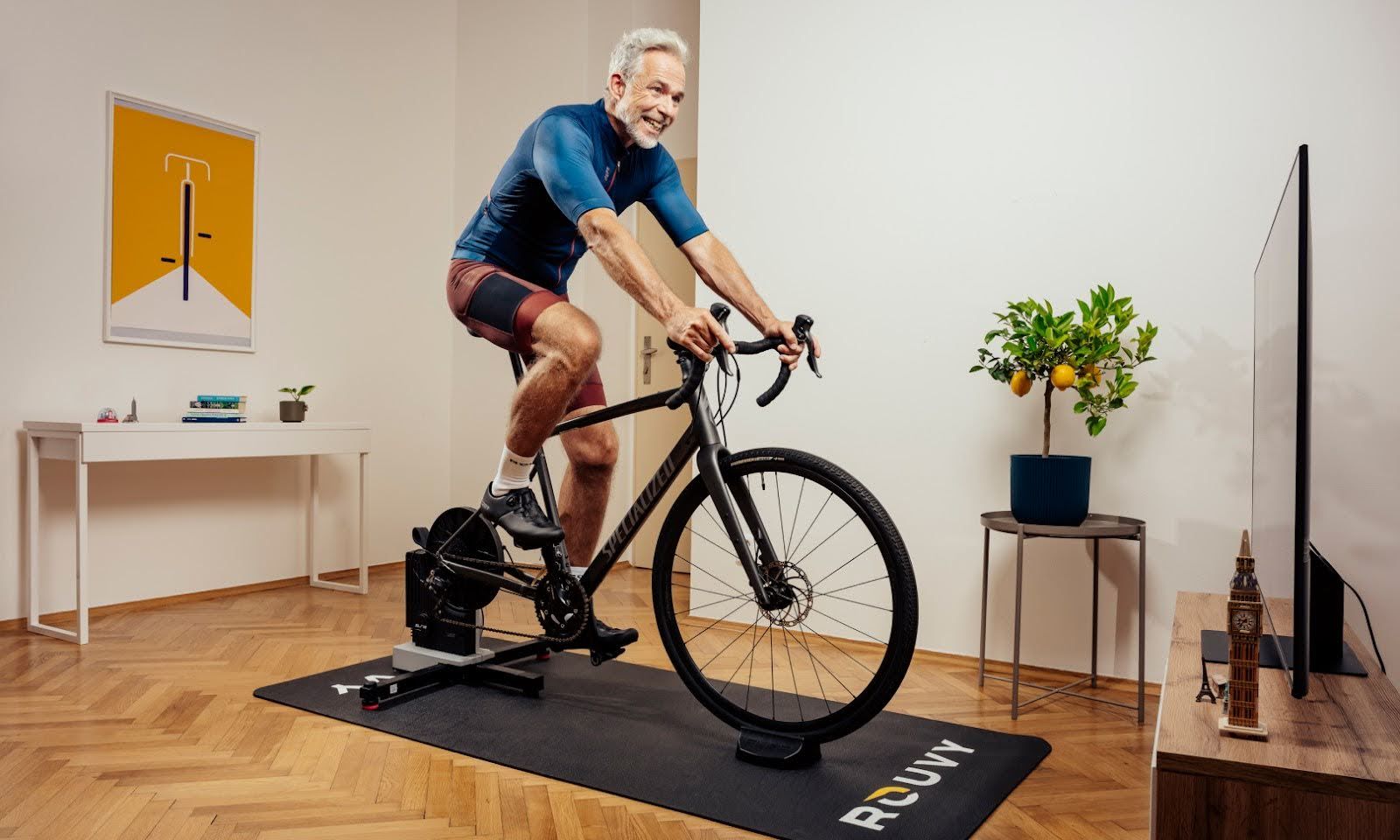
Cardio exercise strengthens your heart and lungs, improves circulation, supports weight management, and boosts energy. But cardio doesn’t have to mean endless treadmill running. Anything that raises your heart rate counts:
-
Brisk walking
-
Cycling
-
Swimming
-
Hiking
-
Dancing
-
Rowing
-
Group fitness classes
Find an activity you enjoy — because you’re far more likely to stick with it. Aim for a mix of steady-state cardio and slightly more challenging sessions once your fitness improves.
Mobility and Recovery — The Unsung Heroes of Fitness
Many people focus heavily on exercise intensity while overlooking recovery and flexibility. But mobility and rest are essential parts of progress.
Stretching, yoga, or simple mobility drills:
-
Reduce stiffness
-
Improve posture
-
Support joint health
-
Help prevent pain and injury
Sleep is another pillar of fitness. Quality rest allows your muscles to repair, your nervous system to reset, and your energy levels to recover. Think of rest days not as “skipping,” but as investment in progress.
Fueling Your Body the Right Way
Fitness doesn’t require restrictive dieting or cutting out entire food groups. Instead, think of nutrition as supporting your activity and health.
A fitness-friendly diet usually includes:
-
Lean protein to repair muscles
-
Fruits and vegetables for vitamins and minerals
-
Whole grains for energy
-
Healthy fats for hormones and brain function
-
Adequate hydration
Rather than chasing trends, focus on balanced meals, portion awareness, and consistency. Small improvements — like reducing ultra-processed foods and sugary drinks — go a long way.
The Mental Benefits of Staying Active
Fitness isn’t just about the body — it strongly influences the mind. Regular exercise can:
-
Reduce stress and anxiety
-
Improve mood
-
Enhance self-confidence
-
Increase mental clarity
-
Build resilience and discipline
Every time you complete a workout, you reinforce the belief that you can set goals and achieve them. That mindset often carries over into other areas of life — career, relationships, and personal growth.
Consistency Beats Intensity
It’s tempting to train hard for a few weeks and then stop — especially when motivation fades. But the real magic of fitness lies in consistency. It’s the routine you keep, not the occasional burst of effort, that transforms your health.
Here are strategies to stay consistent:
-
Schedule workouts like appointments
-
Track your progress — reps, distance, or time
-
Set realistic expectations
-
Focus on how you feel, not just how you look
-
Celebrate milestones, big and small
Remember: even short sessions matter. A 20-minute walk still counts.
Avoiding the Comparison Trap
Fitness journeys are deeply personal. Your progress depends on genetics, lifestyle, stress levels, sleep, and health history. Comparing yourself to others — especially on social media — can be misleading and discouraging.
Instead, measure success by:
-
Increased energy
-
Better mood
-
Improved strength or endurance
-
Greater ease of movement
-
Confidence in your body
If you are moving forward — even slowly — you are succeeding.
Fitness as a Long-Term Lifestyle
Fitness isn’t a 30-day challenge or temporary phase. It’s a lifelong practice of taking care of your body. Some weeks will feel easy; others may feel hard. What matters most is returning to healthy habits again and again.
Over time, fitness becomes less about aesthetics and more about appreciation — gratitude for a body that allows you to move, explore, and live fully.
Final Thoughts
Fitness doesn’t belong only to athletes, gym-goers, or people with perfect routines. It belongs to anyone who wants to feel strong, capable, and alive in their own body. Start small. Stay patient. Keep showing up. Your future self — stronger, healthier, and more confident — will thank you.