

Plant-based diets have gained massive popularity as more people look for healthier, more sustainable ways of eating. From improving heart health to supporting weight management, these diets offer many potential benefits—but they also come with challenges if not planned properly. Understanding the benefits, risks, and best practices can help you decide whether a plant-based approach is right for your lifestyle and health goals.
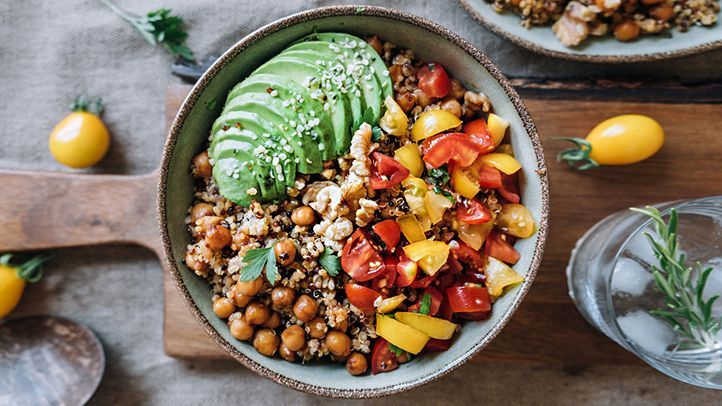
Health Benefits of Eating More Plant Foods
Eating more plant foods offers a wide range of health benefits that support both short- and long-term well-being. Fruits, vegetables, whole grains, legumes, nuts, and seeds are rich in fiber, vitamins, minerals, and antioxidants that help reduce inflammation and protect against chronic disease. Diets higher in plant foods are consistently linked to improved heart health, including lower cholesterol levels and reduced blood pressure.
Plant-based eating can also support healthy weight management. Plant foods tend to be lower in calories but higher in volume and fiber, helping you feel full while consuming fewer calories. In addition, the natural fiber in plant foods improves digestion, stabilizes blood sugar levels, and supports gut health.
Research also suggests that plant-focused diets may lower the risk of type 2 diabetes, certain cancers, and metabolic disorders. By emphasizing whole, minimally processed plant foods, you provide your body with essential nutrients that promote energy, immune function, and overall vitality.
How Plant-Based Diets Impact Weight and Metabolism
Plant-based diets can have a positive impact on both weight management and metabolism when structured properly. Because plant foods are typically high in fiber and water content, they help increase fullness while naturally reducing calorie intake. This makes it easier to maintain a calorie deficit without feeling deprived, supporting gradual and sustainable weight loss.
Fiber-rich foods also play a key role in metabolic health. They slow digestion, help regulate blood sugar levels, and reduce insulin spikes, which can improve how the body stores and uses energy. Additionally, plant-based diets are often lower in saturated fat, which may improve insulin sensitivity and support a healthier metabolic rate.
Another benefit comes from improved gut health. A diverse intake of plant foods feeds beneficial gut bacteria, which are increasingly linked to better metabolism and weight regulation. When focused on whole foods rather than processed alternatives, plant-based diets can support steady energy levels, fat loss, and long-term metabolic health.
Who Should Be Cautious With a Plant-Based Diet
While plant-based diets can be healthy for many people, certain individuals should approach them with extra caution. Those with higher nutrient needs—such as pregnant or breastfeeding women—may struggle to meet requirements for nutrients like iron, vitamin B12, omega-3 fatty acids, and protein without careful planning or supplementation.
People with digestive disorders, food intolerances, or conditions such as IBS may also find large amounts of fiber challenging at first, potentially leading to bloating or discomfort. Similarly, individuals with a history of eating disorders should be mindful, as restrictive eating patterns can sometimes trigger unhealthy behaviors.
Athletes and highly active individuals may need to pay close attention to calorie intake and protein quality to support performance and recovery. Additionally, anyone managing chronic health conditions should consult a healthcare professional before making major dietary changes. With proper guidance and planning, many of these challenges can be managed, but awareness is key to maintaining balanced nutrition.
Conclusion
Plant-based diets can offer powerful health benefits when approached thoughtfully. By focusing on whole foods, proper nutrient balance, and individual needs, they can support weight management, metabolic health, and overall well-being. Careful planning and awareness help ensure a plant-based lifestyle is both sustainable and nourishing.