

Weight loss has become one of the most talked-about topics in modern health. From social media influencers to celebrity diet trends, it can sometimes feel like everyone has a magic solution. Yet despite all the promises, many people still find weight loss confusing and frustrating. The truth is that sustainable weight loss is neither glamorous nor complicated — but it does require patience, consistency, and an honest understanding of your habits.
Instead of chasing the latest diet, a more effective approach is to focus on building a healthier lifestyle that supports your physical and emotional wellbeing. When you shift the goal from “getting thin fast” to “feeling better and living longer,” everything starts to change.
Why Do People Want to Lose Weight?
For some, weight loss is about appearance. For others, it’s deeply connected to health. Extra weight can increase the risk of heart disease, diabetes, joint problems, and sleep issues. It can also affect mood, energy, confidence, and self-esteem. But while the reasons vary, the goal is often the same: to feel comfortable in your own body.
It’s important to remember that health looks different on everyone. Weight loss shouldn’t come from a place of shame or pressure — it should be about taking care of yourself long-term.
The Science Behind Weight Loss
At the center of weight loss is energy balance — the relationship between calories consumed and calories burned. When you consistently consume fewer calories than your body needs, you create a calorie deficit, and your body begins using stored fat for fuel.
But real life isn’t a simple math equation. Hormones, metabolism, genetics, age, sleep quality, stress, and muscle mass all influence how your body stores and burns fat. That’s why two people can follow the same plan and experience different results.
Crash dieting may produce quick results, but the body often fights back by increasing hunger and decreasing metabolism. This is one reason so many people regain lost weight. A moderate, sustainable deficit paired with healthy habits is far more effective — and kinder to your body.
Nutrition: Fuel Your Body Wisely
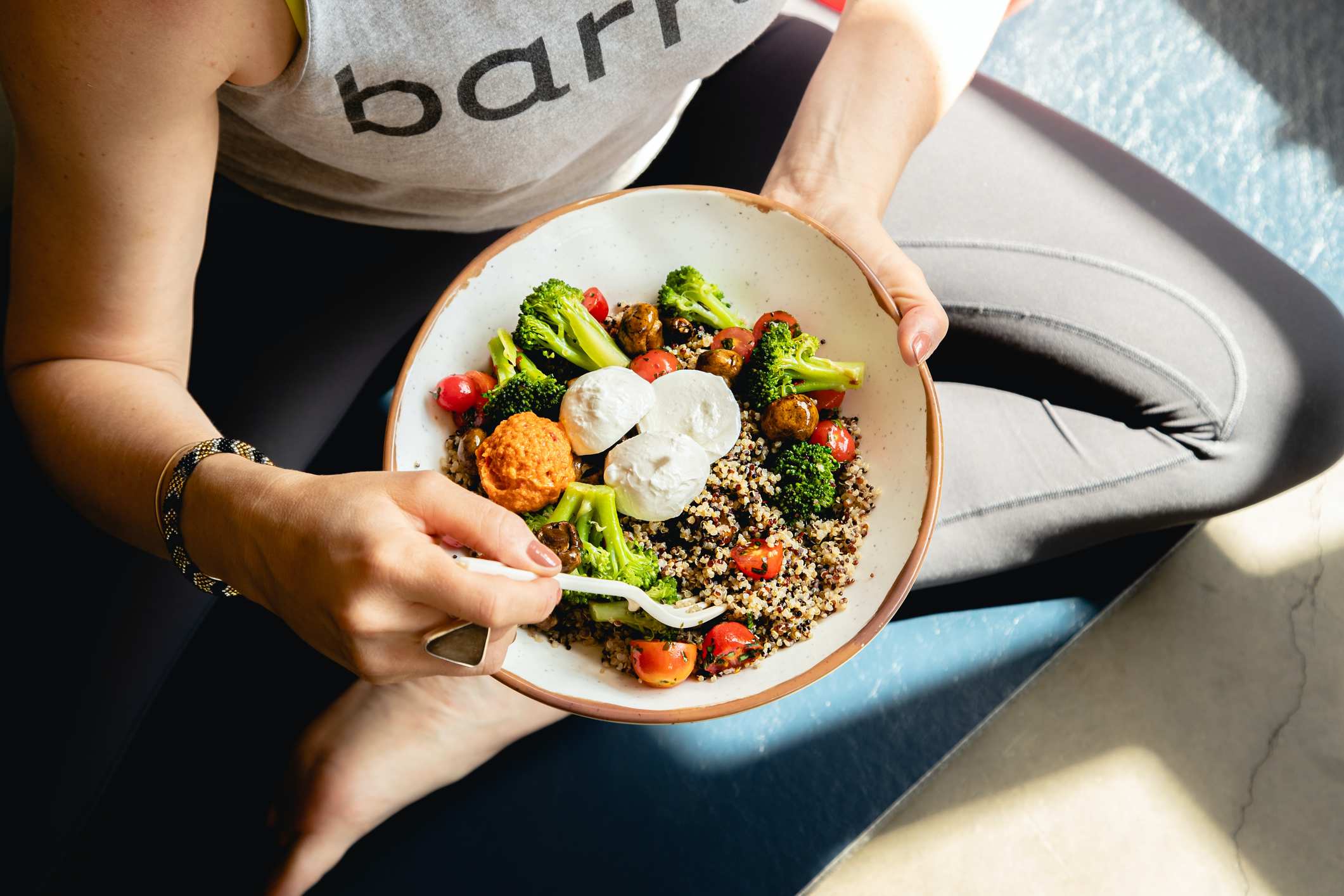
Weight loss is often controlled more by nutrition than exercise. But that doesn’t mean starving yourself or eliminating everything you enjoy. In fact, restrictive eating can lead to bingeing, guilt, and an unhealthy relationship with food.
A balanced approach focuses on whole, nutrient-dense foods, such as:
-
Lean proteins like chicken, fish, eggs, tofu, and beans
-
Fiber-rich fruits and vegetables
-
Whole grains such as oats, brown rice, and quinoa
-
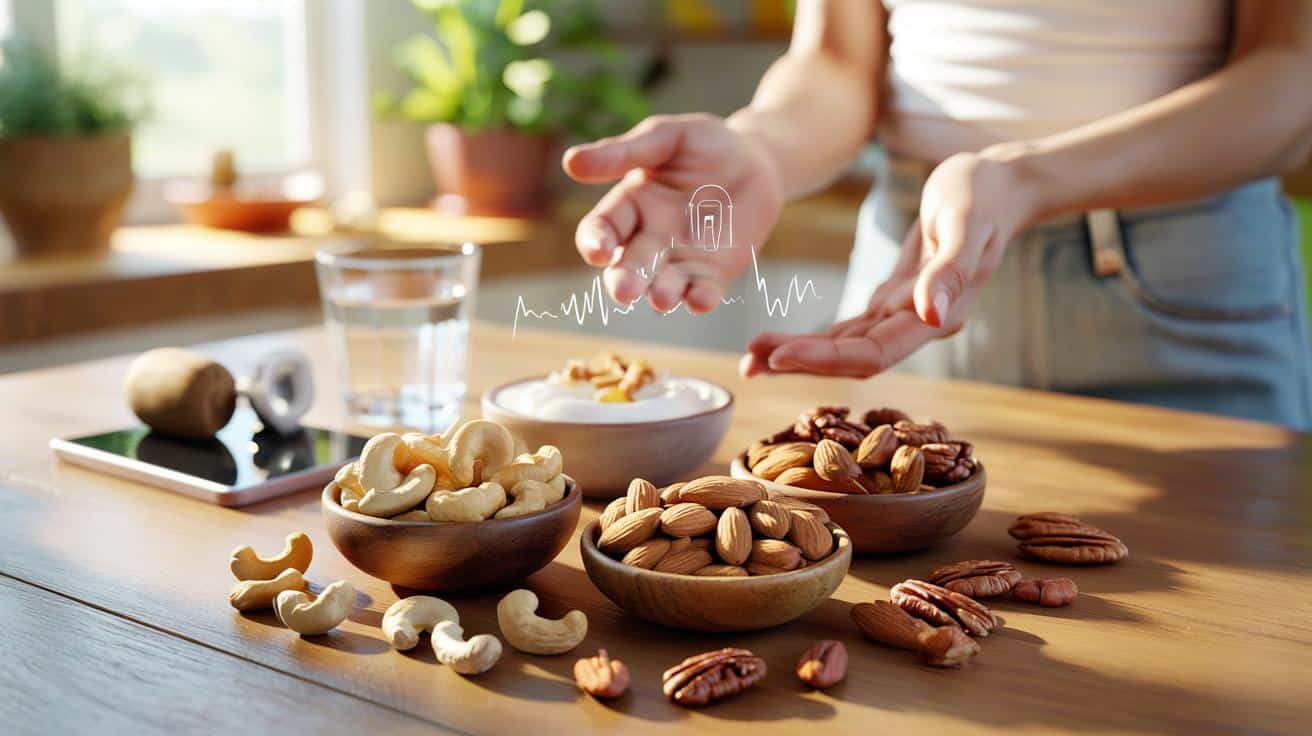
Healthy fats like olive oil, nuts, and avocados
Protein supports muscle maintenance and helps you stay full. Fiber improves digestion and slows the absorption of sugar. Healthy fats support hormones and brain function.
Meanwhile, ultra-processed foods — sugary snacks, fast food, soft drinks — often deliver lots of calories with little nutrition. Reducing these can make a big impact without feeling deprived.
Hydration also matters. Drinking water supports metabolism and helps prevent overeating caused by confusing thirst with hunger.
Eating Habits Matter as Much as Food Choice
What you eat is important — but how you eat can be just as influential.
Mindful habits include:
-
Eating slowly
-
Noticing when you’re truly hungry
-
Stopping when satisfied instead of stuffed
-
Avoiding distractions while eating
-
Planning meals in advance
These behaviors reduce mindless overeating and help you reconnect with your body’s natural signals.
Movement: Your Everyday Advantage
Exercise is a powerful partner to nutrition. You don’t have to become a marathon runner or gym fanatic. What matters most is consistency.
Three key pillars include:
Cardio exercise
Walking, jogging, cycling, or swimming improves heart health and burns calories.
Strength training
Building muscle boosts your resting metabolism and supports posture and mobility.
Everyday movement
Taking the stairs, stretching, housework, or active hobbies all add up.
Aim for movement most days of the week — but choose activities you enjoy. Exercise shouldn’t feel like punishment.
Sleep and Stress: The Silent Influencers
Weight loss doesn’t happen in isolation. Poor sleep increases cravings and lowers motivation. Stress raises cortisol levels, which may encourage fat storage and emotional eating.
Prioritizing sleep hygiene — dimming lights, limiting screens, and maintaining a schedule — helps the body reset. Stress management through hobbies, nature, breathwork, meditation, or conversation can also support healthier choices.
A calmer mind makes better decisions.
Mindset: The Heart of Success
Weight loss is as much psychological as physical. Motivation comes and goes — what keeps you moving forward is discipline and purpose.
Helpful mindset shifts include:
-
Progress, not perfection
-
Consistency over intensity
-
Self-compassion over criticism
Slip-ups are normal. They are part of the process — not the end of it.
Avoid comparing yourself to others. Every body responds differently. Celebrate non-scale victories such as improved energy, looser clothing, better mood, or new habits forming.
Common Weight Loss Myths
The industry is full of misleading claims. Some myths include:
-
Carbs are always bad
-
Fat automatically causes weight gain
-
You must suffer to lose weight
-
Detoxes remove fat
-
Spot-reduction exercises burn belly fat
In reality, balance matters far more than extremes.
Start Small — and Stay Consistent
The best plan is the one you can maintain.
Consider beginning with:
-
One healthier meal per day
-
A daily walk
-
Drinking more water
-
Reducing sugary drinks
-
Cooking at home more often
Small, repeatable actions lead to lasting results.
When to Seek Professional Support
There is no shame in asking for help. A doctor, nutritionist, trainer, or therapist can provide guidance, especially if you have medical conditions or emotional eating patterns.
Support adds accountability — not pressure.
Final Thoughts: Focus on Health, Not Just Numbers
Weight loss is not just about the scale. It’s about strength, energy, longevity, and emotional wellbeing. It’s about showing your body respect — not punishment.
There is no miracle shortcut. But with patience, balance, and self-kindness, you can create a healthier lifestyle that supports long-term weight management.
Your journey belongs to you. Honor it. Take it one day at a time. And remember: the goal isn’t perfection — it’s progress.