

Women’s health is a broad and deeply important topic that extends far beyond reproductive care. It includes physical health, mental wellbeing, hormonal balance, nutrition, fitness, and preventive screenings. Women experience unique biological changes from adolescence through menopause, and each life stage brings its own opportunities — and challenges. By understanding these phases and prioritizing self-care, women can protect their health and build a strong foundation for lifelong wellness.
The Early Years: Puberty and Hormonal Changes
Women’s health journeys often begin with puberty, when hormonal changes lead to menstruation and the development of secondary sexual characteristics. This period can be both exciting and confusing, especially when young women navigate body image pressures, mood swings, and emotional changes.
Education is key. Understanding what a normal menstrual cycle looks like — and recognizing when symptoms such as severe pain, extremely heavy bleeding, or irregular cycles may indicate conditions like endometriosis or PCOS — empowers early care and intervention. Open conversation also reduces stigma and helps girls feel confident seeking support.
Reproductive Health and Family Planning
During the reproductive years, women may consider birth control, fertility, pregnancy, or the decision not to have children. Each choice is deeply personal and should be guided by accurate information and compassionate healthcare.
Contraception options include hormonal pills, implants, IUDs, barrier methods, and fertility-awareness tracking. The right choice depends on health history, lifestyle, and personal preferences. Consultation with a healthcare provider ensures safe and informed decision-making.
Pregnancy, when desired, requires proper prenatal care, balanced nutrition, and emotional support. Women may also face challenges such as infertility, miscarriage, or high-risk pregnancies — experiences that require sensitivity and medical care as well as emotional understanding.
After birth, postpartum health deserves equal attention. Physical recovery, breastfeeding challenges, hormonal shifts, and sleep deprivation can be overwhelming. Postpartum depression and anxiety are real and treatable, and should never be dismissed as “just hormones.”
Nutrition: Fueling the Female Body
Nutritional needs vary across a woman’s lifespan. A balanced, whole-food diet supports hormones, fertility, energy, and mood. Key nutrients include:
-
Iron — prevents anemia, especially during menstruation
-
Calcium & Vitamin D — crucial for bone density
-
Protein — supports muscle, hair, skin, and hormones
-
Folate — protects fetal development during pregnancy
-
Omega-3 fats — support brain and heart health
Restrictive dieting — especially yo-yo dieting — can disrupt metabolism and hormones. Instead of obsessing over perfection, aim for balance: colorful vegetables, lean proteins, healthy fats, whole grains, and adequate hydration. Food is not just fuel; it is part of culture, joy, and social connection.
Mental and Emotional Health: Often Overlooked
Women are statistically more likely to experience anxiety and depression — influenced by hormones, stress, social expectations, and caregiving roles. Many women juggle careers, family responsibilities, emotional labor, and self-imposed pressure to “do it all.”
Common signs of emotional strain include:
-
Persistent fatigue
-
Irritability
-
Sleep disruption
-
Overwhelm or hopelessness
-
Withdrawal from social activities
Therapy, social support, relaxation techniques, journaling, and regular physical activity can significantly improve mental health. Just as important is removing stigma — seeking help is a sign of strength, not weakness.
Heart Health: A Silent Priority
Heart disease is the leading cause of death among women, yet symptoms may differ from those in men. Women may experience jaw pain, nausea, back pain, or unusual fatigue rather than dramatic chest pain. Knowing these warning signs saves lives.
Blood pressure monitoring, healthy nutrition, exercise, and avoiding smoking are powerful preventative tools. Women who experience gestational diabetes or high blood pressure during pregnancy may also face higher risk later in life — another reason regular follow-ups matter.
Movement and Strength: Essential for Longevity
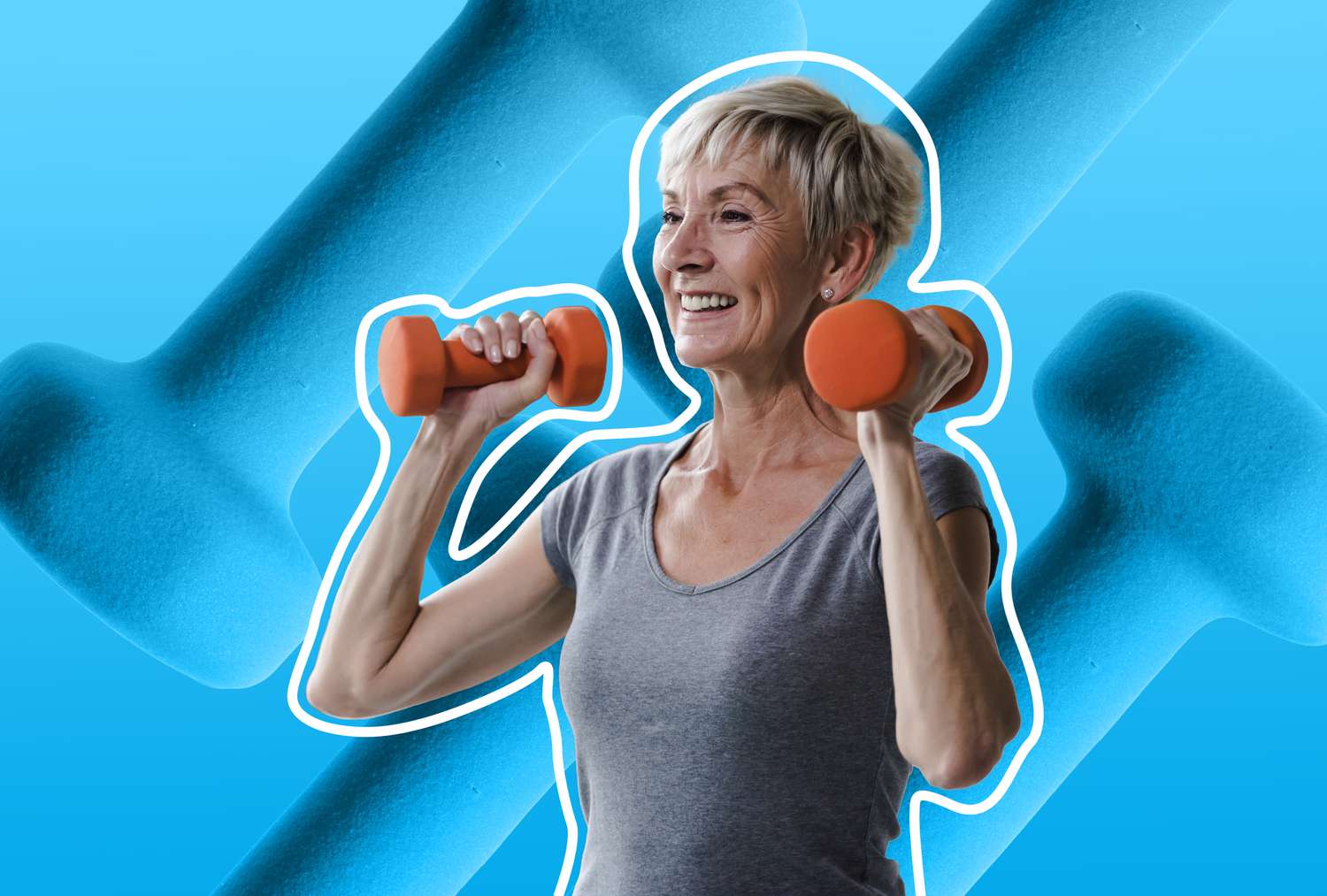
Exercise benefits body and mind — boosting energy, mood, sleep quality, and confidence. But for women, strength training is especially important because it protects against bone loss and muscle decline.
A balanced fitness routine includes:
-
Aerobic activity — walking, jogging, cycling, swimming
-
Strength training — body-weight or resistance exercises
-
Flexibility and mobility — yoga, stretching
-
Low-impact movement for recovery
Exercise should never be punishment for eating — it’s a gift to your body.
Preventive Care and Screenings
Early detection saves lives. Recommended screenings include:
-
Pap smears for cervical cancer
-
Mammograms as guided by age and risk
-
Bone density scans after menopause or earlier when needed
-
Blood pressure and cholesterol tests
-
Diabetes screening where appropriate
Regular gynecological care supports reproductive and sexual health. Unfortunately, many women put off appointments due to embarrassment or busy schedules — but preventive care is one of the most powerful health investments.
Menopause: A Natural Transition
Menopause marks the end of menstruation, typically between ages 45 and 55. It can bring hot flashes, mood shifts, sleep changes, and slowed metabolism. Lower estrogen also increases osteoporosis risk.
Lifestyle strategies such as strength training, calcium intake, stress reduction, and healthy sleep can ease the transition. For some, hormone therapy may be appropriate — always under medical guidance.
Menopause is not an ending — it’s a transition into a new phase of strength, wisdom, and self-awareness.
Sexual Health and Body Confidence
Healthy sexuality includes comfort, consent, communication, and pleasure. Women should feel empowered to discuss concerns such as libido changes, discomfort, or emotional connection with healthcare providers without shame.
Body image also plays a major role in wellbeing. Women face constant pressure from media portrayals of beauty. A healthier mindset focuses on strength, function, and self-respect rather than unrealistic ideals.
The Power of Community and Support
Women thrive when supported — through friendships, family, professional networks, and shared experiences. Community reduces loneliness, improves mood, and encourages better self-care.
Whether through support groups, online communities, or close friends, emotional connection is a pillar of health.
Final Thoughts
Women’s health is a lifelong journey shaped by biology, environment, culture, and personal experience. Prioritizing self-care, education, preventive healthcare, and emotional wellbeing empowers women to live stronger, healthier, and more fulfilling lives.
Health is not about perfection — it’s about compassion for yourself, honoring your body’s needs, and making choices that support your long-term wellbeing. When women care for their health, they strengthen not only themselves but families and communities as well.