

Women’s health is a lifelong journey shaped by biology, lifestyle, environment, and personal choices. While many health principles apply universally, women experience unique physical and emotional changes that require tailored care and understanding. From hormonal cycles and reproductive health to mental well-being and healthy aging, women’s health is not a single topic but a broad, interconnected system.
In today’s fast-paced world, prioritizing women’s health is more important than ever. A holistic approach—one that considers physical fitness, nutrition, mental resilience, preventive care, and self-awareness—can help women live healthier, more empowered lives at every stage.
Understanding the Female Body
The female body is dynamic and constantly adapting. Hormonal shifts influence metabolism, mood, energy levels, and immune response. Puberty, menstruation, pregnancy, postpartum recovery, and menopause all bring physiological changes that impact overall health.
Women also tend to experience health conditions differently than men. For example, symptoms of heart disease, autoimmune disorders, and mental health conditions may present in less obvious ways, leading to delayed diagnosis. Understanding how the female body functions is the first step toward better health outcomes.
Hormonal Health and Life Stages
Hormones are central to women’s health. Estrogen, progesterone, and testosterone regulate reproductive functions, bone density, muscle mass, and emotional balance.
Common Hormonal Phases and Challenges
-
Menstrual years: PMS, irregular cycles, and iron deficiency are common concerns.
-
Reproductive years: Fertility, pregnancy planning, and hormonal contraception play key roles.
-
Perimenopause and menopause: Hot flashes, sleep disturbances, mood changes, and slower metabolism are frequent.
-
Post-menopause: Bone health, cardiovascular risk, and muscle loss become priorities.
Supporting hormonal balance involves proper nutrition, regular physical activity, quality sleep, and stress management. In some cases, medical guidance or hormone therapy may be appropriate.

Nutrition as the Foundation of Women’s Health
What women eat directly affects energy levels, hormones, immune function, and long-term disease risk. Nutritional needs change throughout life, making personalized and balanced eating essential.
Key Nutrients Women Need
-
Iron: Vital for preventing fatigue and anemia, especially during menstruation
-
Calcium and vitamin D: Essential for bone strength and osteoporosis prevention
-
Protein: Supports muscle mass, metabolism, and recovery
-
Omega-3 fatty acids: Promote heart health and reduce inflammation
-
Fiber: Supports digestion, hormone regulation, and blood sugar balance
A diet centered on whole foods—vegetables, fruits, lean proteins, whole grains, legumes, nuts, and healthy fats—provides the nutrients women need to thrive. Limiting ultra-processed foods, refined sugars, and excessive alcohol can significantly improve overall health.
Physical Activity and Body Strength
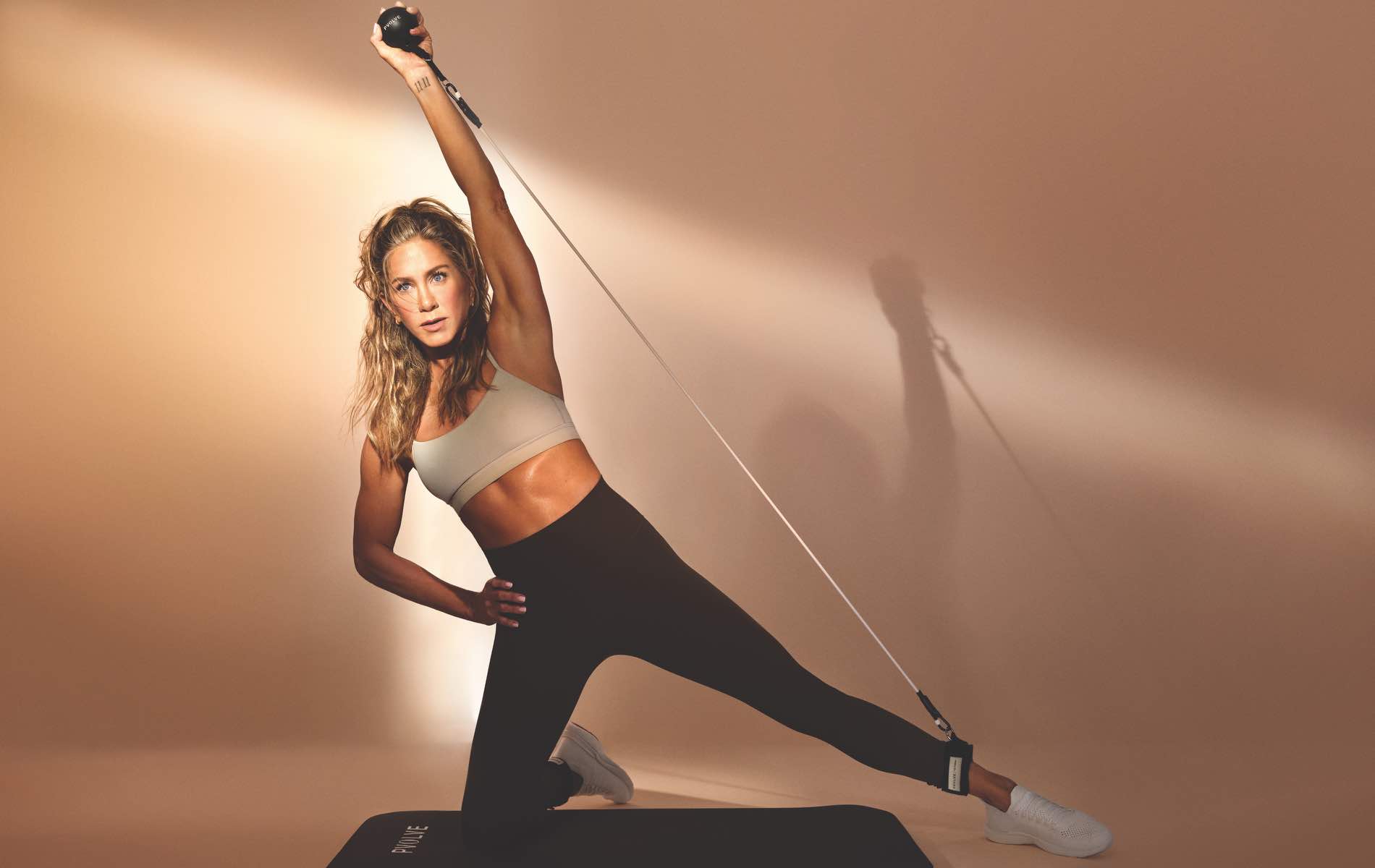
Exercise is not just about weight management; it is a powerful tool for disease prevention, mental clarity, and long-term vitality. Women benefit greatly from regular movement tailored to their bodies and lifestyles.
Benefits of Regular Exercise
-
Improves cardiovascular health
-
Strengthens bones and reduces fracture risk
-
Supports hormonal balance
-
Enhances mood and reduces anxiety
-
Improves sleep quality and energy
An ideal fitness routine includes:
-
Cardiovascular exercise (walking, cycling, swimming)
-
Strength training to maintain muscle and bone density
-
Flexibility and mobility work such as yoga or stretching
Consistency matters more than intensity. Even moderate daily movement can deliver powerful health benefits.
Mental Health and Emotional Resilience
Mental health is a crucial pillar of women’s health and deserves equal attention as physical well-being. Women are statistically more likely to experience anxiety, depression, and stress-related disorders.
Hormonal fluctuations, caregiving responsibilities, societal expectations, and work-life imbalance all contribute to emotional strain. Ignoring mental health can lead to burnout, chronic illness, and reduced quality of life.
Supporting Emotional Well-Being
-
Practicing mindfulness or meditation
-
Maintaining social connections
-
Setting boundaries and prioritizing rest
-
Seeking therapy or counseling when needed
-
Engaging in regular physical activity
Caring for mental health is not optional—it is essential for overall wellness.
Reproductive and Sexual Health
Reproductive health goes beyond pregnancy and childbirth. It includes menstrual health, fertility awareness, contraception, sexual well-being, and protection from infections.
Regular gynecological checkups help detect issues early and provide guidance on family planning, hormonal changes, and sexual health concerns. Open and informed conversations empower women to make confident decisions about their bodies.
Sexual health is a vital part of overall well-being and should be approached without stigma. Comfort, communication, and education play key roles in maintaining healthy intimate relationships.
Preventive Care and Health Screenings
Preventive care is one of the most effective ways to protect women’s health. Routine screenings can detect serious conditions before symptoms appear.
Important Preventive Measures
-
Breast exams and mammograms
-
Cervical cancer screenings (Pap tests)
-
Bone density testing
-
Blood pressure and cholesterol checks
-
Diabetes screenings
-
Vaccinations, including HPV and flu vaccines
Building a relationship with a trusted healthcare provider and attending regular checkups can significantly reduce long-term health risks.
Heart Health: A Silent Threat for Women
Heart disease remains one of the leading causes of death among women worldwide. Unfortunately, women’s symptoms often differ from the classic signs seen in men, leading to delayed treatment.
Common symptoms in women may include fatigue, nausea, shortness of breath, dizziness, or pain in the jaw or back.
Protecting Heart Health
-
Eating a heart-friendly diet
-
Staying physically active
-
Managing blood pressure and cholesterol
-
Avoiding smoking
-
Reducing chronic stress
Awareness and early intervention are critical for preventing cardiovascular disease.
Bone Health and Osteoporosis Prevention
Women are at higher risk for osteoporosis due to lower bone density and hormonal changes, particularly after menopause. Strong bones are essential for mobility, independence, and quality of life.
Bone health can be supported through:
-
Weight-bearing and strength exercises
-
Adequate calcium and vitamin D intake
-
Avoiding smoking and excessive alcohol
-
Regular bone density screenings
Proactive care can greatly reduce fracture risk later in life.
Healthy Aging and Longevity
Aging is a natural process, but how women age is largely influenced by lifestyle choices. Healthy aging focuses on maintaining physical strength, mental sharpness, and emotional fulfillment.
Keys to Aging Well
-
Maintaining muscle mass through strength training
-
Supporting brain health with learning and social engagement
-
Prioritizing sleep and recovery
-
Managing chronic conditions effectively
-
Staying connected to community and purpose
With the right habits, women can enjoy vibrant, active lives well into older age.
Self-Advocacy and Health Empowerment
Women are strongest when they are informed and involved in their healthcare decisions. Self-advocacy means listening to your body, asking questions, and seeking answers.
Tracking symptoms, understanding treatment options, and staying educated through reliable sources empower women to take control of their health journeys. Empowerment leads to better care, better outcomes, and greater confidence.

Conclusion
Women’s health is complex, evolving, and deeply personal. It requires a holistic approach that addresses physical strength, emotional resilience, nutritional balance, preventive care, and lifelong learning. By prioritizing health at every stage of life, women can build resilience, confidence, and long-term well-being.
Investing in women’s health benefits not only individuals but families, communities, and future generations. Every woman deserves the knowledge, support, and care needed to live a healthy, fulfilling life.