

Researchers from Japan have discovered the hitherto unknown mechanism of action of the compound yaku’amide B, a structurally complex natural product isolated from deep-sea sponges in the Yakushima Island area. Research by Professor Kaori Sakuari from Tokyo University of Agriculture and Technology, in collaboration with Assistant Professor Masayuki Inoue from the University of Tokyo, provides a new understanding of this compound’s pronounced antitumor activity.
Thanks to their complex chemical structures, natural products such as yaku’amide B can engage multiple and dynamic interactions with biomolecules. Although this compound was previously shown to inhibit ATP synthase – a key enzyme in cellular energy metabolism – this effect did not fully explain its selective cytotoxicity towards malignant cells, indicating the existence of an additional mechanism of action.
Capturing Transient Interactions
To identify additional molecular targets, the researchers used photoaffinity labeling (PAL), a sophisticated method that detects transient, low-affinity interactions between small molecules and protein targets.
Using a carefully designed PAL-probe. Yaku’amide B was found to transiently interact with the membrane protein CD9, a marker of cancer stem cells. Further investigation triggers intracellular processes that lead to the degradation of CD9.
In parallel, yaku’amide B is redistributed to the mitochondria, where it inhibits the activity of ATP synthase, causing a disturbance in the cellular energy balance. This dual activity indicates a complex, multi-layered mechanism of action that goes beyond the classical models of single-target drugs.
Targeting Aggressive Cancer Cells
The CD9 protein is recognized as a key marker of a subpopulation of tumor cells with pronounced invasive and metastatic potential, including cells responsible for disease recurrence. The ability of yaku’amide B to induce the degradation of this protein represents a significant advance in the identification of new therapeutic targets.
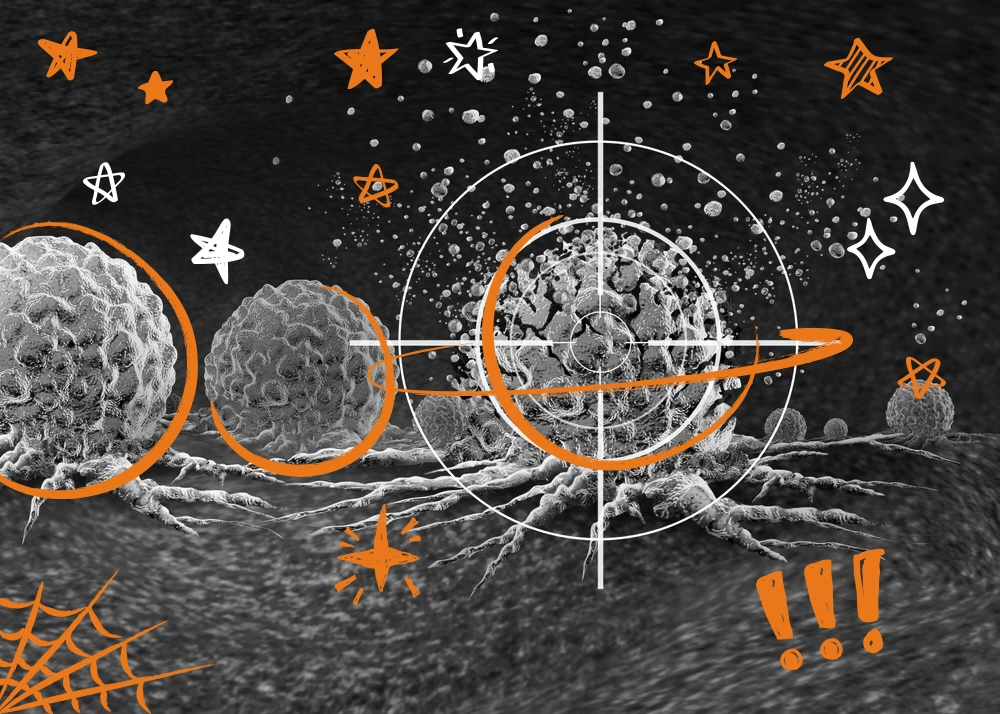
Simultaneous targeting of CD9 and mitochondrial energy metabolism enables coordinated actions across several key aspects of tumor structure. Such an integrated mechanism provides an explanation for the pronounced antitumor efficacy of this compound in the context of aggressive, therapeutically resistant malignancies.
Implications For Future Cancer Therapies
This research confirms the importance of natural products as a source of molecular inspiration for the development of modern therapeutic strategies. The concept of multiple targeting, combined with the induction of selective protein degradation, represents a promising direction in the design of new anticancer drugs.
Compounds such as yaku’amide B enable simultaneous disruption of energy metabolism and the elimination of key regulatory proteins in tumor cells. This approach contributes to overcoming the limitations of conventional therapies, such as resistance and relapse.
Further research on bioactive molecules of marine origin, especially those with complex structure and multiple mechanisms of action, has the potential to advance the development of a new generation of precise and effective anticancer therapies, whereby yaku’amide B represents a relevant model for future research.