

Novo Nordisk has announced that Wegovy is available in tablet form in the US.
- Recently, the FDA approved a tablet version as a prescription drug for obesity and weight management.
- Experts note that the pill can simplify weight loss, but they believe that a healthy diet and regular exercise remain the foundation of successful weight loss.
One of the most famous and effective weight-loss drugs is now available in the United States market in oral form, representing a significant advance in obesity therapy. The news comes shortly after the US Food and Drug Administration (FDA) approved Wegovy’s GLP-1 agonist tablets, making a weight-loss therapy available in pill form rather than injection for the first time in clinical practice.
The manufacturer of the drug, Novo Nordisk, has confirmed that the initial dose of 1.5mg is available with a doctor’s prescription, while higher doses are expected in a very short time from the start of the therapeutic protocol. Wegovy tablets are currently the only oral therapy intended exclusively for patients diagnosed with obesity. Scientific studies and clinical trials in humans in the third phase showed that people who used Wegovy in tablet form for 64 weeks achieved an average weight loss of about 16%, confirming the high efficacy of this therapy option.
According to the company representative, this form of the drug is intended for numerous people who avoided starting therapy because of the injectable form. With the introduction of tablets, therapy becomes simpler, more comfortable, more affordable, and easier to use long-term. In parallel, the pharmaceutical company Eli Lilly is seeking FDA approval for its own oral weight-loss drug, which has also shown promising results in clinical studies.
The scientists point out that oral GLP-1 drugs could significantly improve patient compliance and consistency in therapy, especially when used as part of a broader therapeutic regimen that includes proper nutrition and physical activity.
The tablet form of therapy brings great advantages, as it is more acceptable to most people than injections”, say scientists, with the estimate that this format could expand the circle of patients who opt for pharmacological treatment of obesity.
What to Know About the Wegovy Pill?
Novo Nordisk confirmed that Wegovy in tablet form is now available in more than 70.000 pharmacies across the United States, including major retail chains such as CVC and Costco, as well as through Beyo’s telemedicine platforms. For patients without health insurance or special subsidy programs, a monthly therapy of Wegovy tablets costs approximately $149, according to the agreement reached between the manufacturer and the US administration. For patients who have health insurance, the initial dose of the drug can be available at a significantly lower cost, as low as $25 per month.
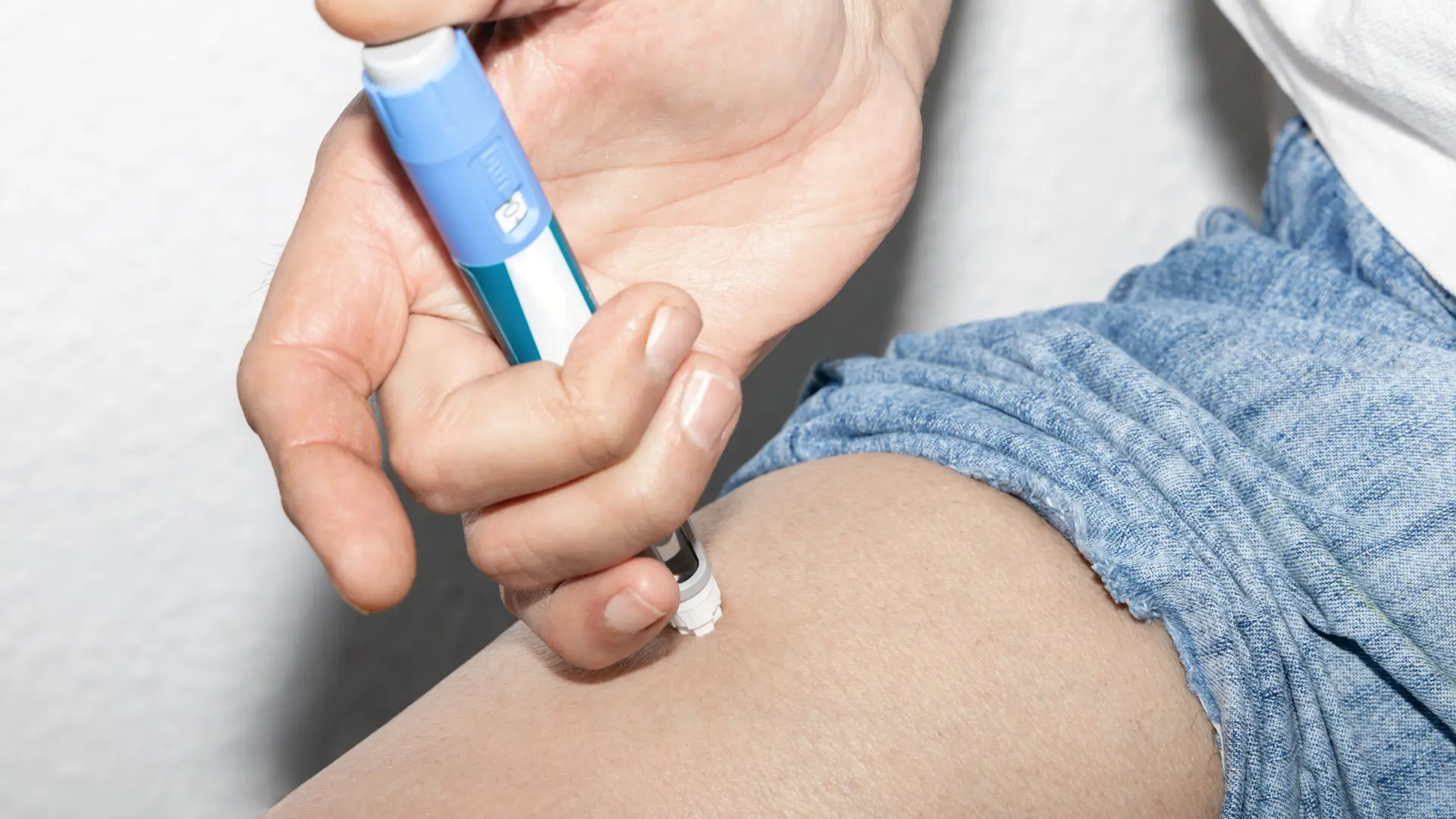
The 4mg could be temporarily available for $149 until April 15, after which the price may increase to $199 per month. Higher therapeutic doses of 9mg and 25mg, which are introduced into the protocol later, are expected to cost around $299 per month.
Wegovy tablets are taken once daily, on an empty stomach, with a small amount of water. After the application of the drug, it is recommended to avoid food, drinks, and other drugs for the next 30minutes, to achieve optimal absorption from the digestive tract. This therapeutic protocol is intended to be used as part of a comprehensive weight-loss program, including reduced calorie intake and regular physical activity, and as a sole therapeutic measure.
With this drug, we offer patients a convenient, daily therapy in pill form, with weight-loss potential comparable to the injectable form of Wegovy”, said Mike Doustdar, president and CEO of Novo Nordisk. He emphasized that orally administered Wegovy represents a modern and affordable option that can facilitate the start or continuation of the weight-loss process, especially for people who have so far avoided injection therapy.
Benefits and Drawbacks of a Weight-Loss Pill
Scientists observed that weight-loss tablet drugs offer specific practical advantages that could affect their wider application. Oral forms, compared to injectable ones, are often cheaper, do not require specific storage conditions such as cooling and dissolving, and eliminate the need to use needles, which usually causes fear (an important psychological and practical factor for many patients).
Nutritionist Kristin Kirkpatrick believes that the availability of therapy in pill form could significantly expand the number of people considering pharmacological treatment for obesity, especially if the price proves more favorable in the long term. This removes a crucial financial obstacle that has so far deterred patients from this type of medication.
On the other hand, Dr. Sun Kim from Stanford University points out that the simplicity of oral administration does not imply greater efficiency of the therapeutic protocol. For some patients who do not have a pronounced fear of needles, a once-weekly injection may be more convenient than a daily reminder to take a pill. She additionally emphasizes that oral therapy is easier to skip, forget, or interrupt, especially in situations when side effects appear, such as nausea, which is relatively common with the administration of GLP-1 agonists.
In addition to practical considerations, financial availability remains crucial. Although the tablet form is a more affordable option, some experts state that the price of the drug may still remain a severe barrier and may vary in the future.
Dr. Mir Ali states that insurance companies are traditionally cautious when it comes to financing weight-loss treatments, as in the case with Wegovy tablets, at least in the initial phases. Concerns are further heightened by the possibility of reduced insurance coverage for GLP-1 therapies, which could most affect socially vulnerable groups, including patients dependent on government health care programs.
Kirkpatrik believes that a common problem in clinical medical practice is the limited duration of insurance. Many patients resort to interrupting their therapeutic protocol when they are forced to pay for the medicine out of pocket, despite promising results.
Recap of Current Weight-Loss Medications
In today’s medical practice, there is a wide range of therapeutic options for people who are being treated for Type 2 Diabetes or have a diagnosis of obesity. Most of these drugs are registered exclusively for use in adult patients. Wegovy was first introduced as an injectable therapy and received FDA approval in mid-2021. For patients without health insurance, the cost of higher doses needed in the later stages of treatment is about $349 per month, while lower doses are available at $199 per month until the end of March.
Regardless of the pharmaceutical form, Wegovy contains the active substance Semaglutide. This same molecule is also found in the popular drug Ozempic, manufactured by Novo Nordisk, and is a GLP-1 agonist. However, this drug has a different therapeutic purpose; although they are chemically related, Wegovy and Ozempic cannot be used for the same indications. Wegovy is approved for the treatment of obesity and weight management, while Ozempic is registered only for the control of Type 2 Diabetes and is only available in injectable form. The same company also produces Rybelsus, an oral preparation based on Semaglutide, used in the treatment of Type 2 Diabetes, which has been on the market since 2019.
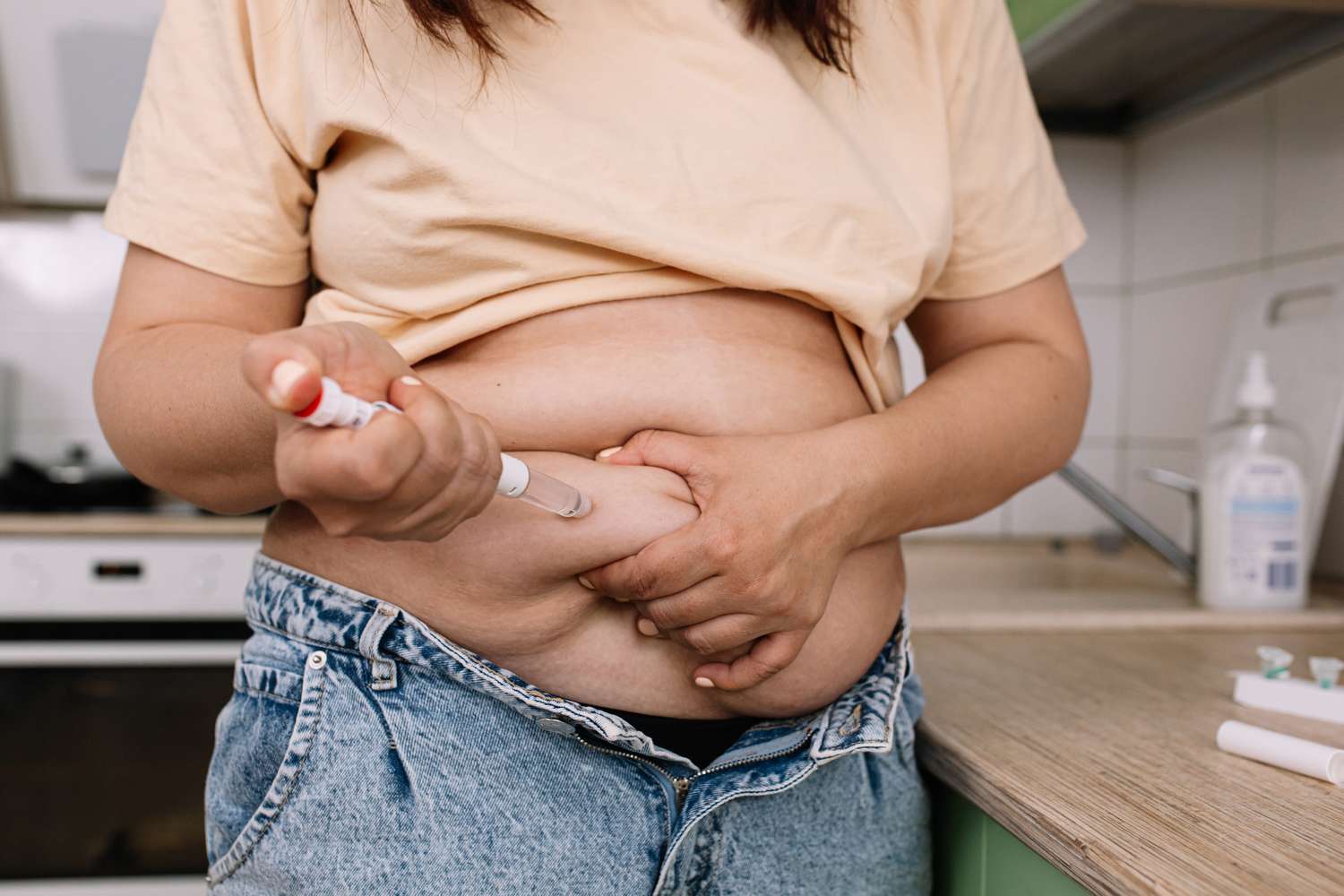
On the other hand, the company Eli Lilly has developed GLP-1 therapies based on the active substance Tirzapatide. This drug, better known as Mounjaro, is approved as a therapy protocol for Type 2 Diabetes, while Zepbound is registered as a therapy for weight loss.
In parallel, Eli Lilly is developing a new oral weight loss drug called Orforgliprone. This preparation does not contain Tirzapatide and acts on different receptors than Mounjaro and Zepbound, both of which are GLP-1 receptor agonists. The results of the latest scientific studies and phase 3 clinical trials indicate that Orforglipon is effective in maintaining weight loss, even in patients who previously used injectable therapies such as Wegovy or Zepbound and then switched to daily tablet therapy.
This compound has submitted a petition to the FDA seeking approval of Orforgliprone for long-term weight management. If approved, this drug could represent a simpler and more accessible alternative for millions of people around the world who struggle with obesity and need a sustainable therapy for long-term health preservation.
Tips for Successful Weight-Loss
Scientists agree that drugs for regulating body weight are not a quick solution that independently removes excess weight. These drugs reduce feelings of hunger and improve appetite control, helping patients naturally eat less and reduce the desire to consume unnecessary calories. These drugs play a supporting role, helping facilitate the adoption of healthier habits, but they cannot replace them.
Therapies based on the GLP-1 mechanism, including Wegovy in tablets, have significantly improved the approach to the treatment of obesity”, says Dr. Sun Kim, stating that a balanced diet and regular physical activity remain necessary for a long-term effect.
Dr. Mir Ali points out that the crucial factor in body weight regulation is not the frequency of exercise, but nutrition. According to him, the bulk of body mass depends on what is taken in daily with food, while physical activity plays a supplementary but important role. This doctor therefore recommends that his patients reduce their intake of sugar and refined carbohydrates while increasing the proportion of protein and vegetables in their diet.
There are no quick solutions. Without quality nutrition and exercise, no therapy will provide long-term results,” he emphasizes. And Kristin Kirkpatrick confirms that the basic principles do not change regardless of the type of drug used. “Pharmacological therapy must be accompanied by lifestyle changes. Diet and physical activity are the most reliable indicators of long-term success,” she concludes.