

Healthy recipes are no longer about strict rules, boring ingredients, or eating the same meals every day. Modern healthy cooking focuses on balance, variety, and enjoyment—creating meals that nourish the body while still tasting great. When healthy recipes are done right, they support energy, digestion, mental clarity, and long-term well-being.
In this article, we’ll explore what makes a recipe healthy, how to build balanced meals, and how to create delicious healthy recipes you’ll actually want to cook and eat regularly.
What Defines a Healthy Recipe?
A healthy recipe is not defined by being low-calorie or sugar-free alone. True healthy cooking prioritizes nutrient quality, portion balance, and sustainability.
A healthy recipe usually includes:
-
Whole, minimally processed ingredients
-
A balance of protein, carbohydrates, and fats
-
Natural sources of fiber, vitamins, and minerals
-
Cooking methods that preserve nutrients
Most importantly, healthy recipes should be realistic. If a meal is too complicated or restrictive, it’s unlikely to become a long-term habit.
The Core Components of Healthy Meals
Protein: The Foundation of Satisfaction
Protein plays a key role in muscle repair, metabolism, and appetite control. Including protein in every meal helps you feel fuller for longer and prevents energy crashes.
Healthy protein sources include:
-
Chicken, turkey, and lean beef
-
Fish such as salmon, tuna, and sardines
-
Eggs and dairy products like yogurt and cottage cheese
-
Plant-based options such as beans, lentils, tofu, and chickpeas
Balanced protein intake supports both weight management and overall health.

Carbohydrates: Fuel Your Body the Right Way
Carbohydrates are often misunderstood, but they are essential for energy. Healthy recipes focus on complex carbohydrates that digest slowly and provide fiber.
Examples include:
-
Whole grains like oats, brown rice, and quinoa
-
Sweet potatoes and squash
-
Legumes and vegetables
These foods help regulate blood sugar and support digestive health.
Healthy Fats: Essential, Not Optional
Healthy fats support hormone production, brain function, and nutrient absorption. Rather than avoiding fats, healthy recipes include them in moderation.
Nutritious fat sources include:
-
Olive oil and avocado oil
-
Avocados
-
Nuts and seeds
-
Fatty fish
Using the right fats enhances both flavor and health benefits.
Fruits and Vegetables: The Nutrient Powerhouse
Vegetables and fruits form the backbone of healthy recipes. They provide antioxidants, fiber, and essential micronutrients while adding color and flavor to meals.
Aim for a variety of colors to maximize nutritional diversity and keep meals interesting.
Healthy Breakfast Recipes That Energize Your Morning
Oatmeal with Fruit and Nuts
Oatmeal is a classic healthy breakfast that provides fiber and slow-digesting carbohydrates. Topping it with fresh fruit and nuts adds natural sweetness, healthy fats, and extra nutrients.
Benefits:
-
Keeps you full until lunchtime
-
Supports heart health
-
Easy to customize
Eggs with Vegetables and Whole-Grain Bread
Eggs are rich in protein and essential nutrients. Pairing them with vegetables and whole-grain bread creates a balanced breakfast that supports sustained energy.
Nutritious Lunch Recipes for Busy Days
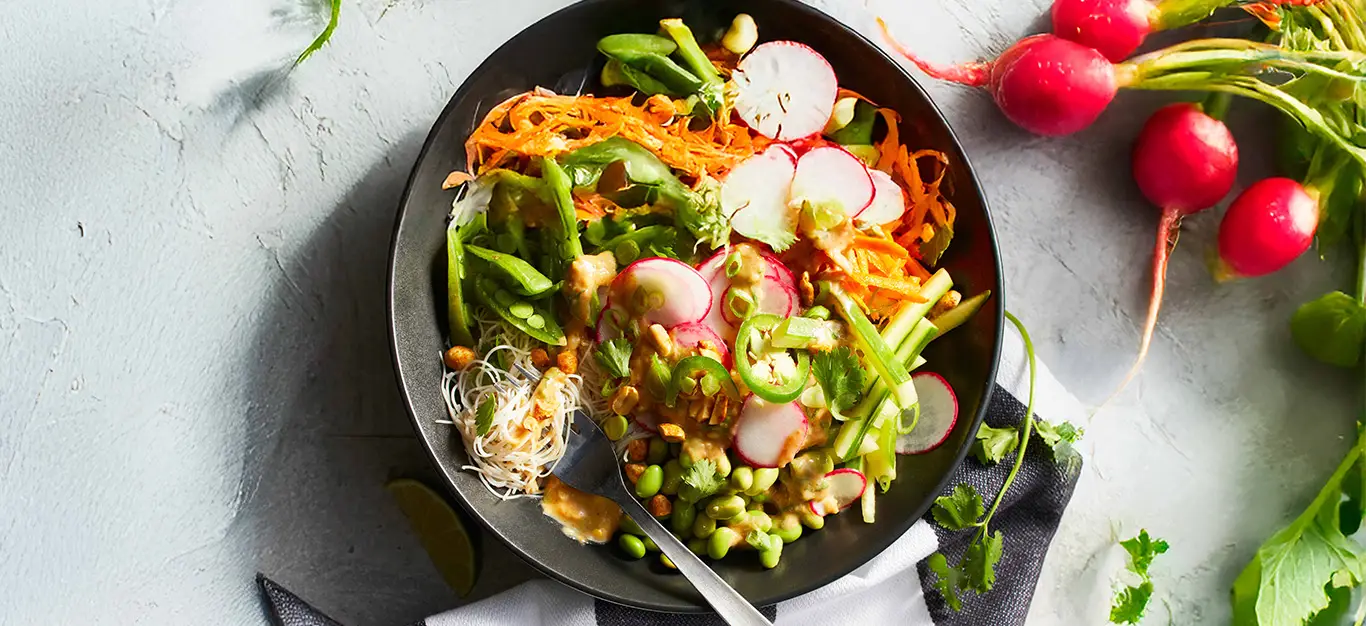
Balanced Grain Bowls
Grain bowls are one of the most flexible healthy recipes. They typically include:
-
A whole grain base
-
Lean protein
-
Vegetables
-
A light, healthy dressing
These meals are easy to prepare in advance and perfect for work or school.
Hearty Vegetable and Bean Soups
Soups made with vegetables, legumes, and herbs are nutrient-dense and comforting. They support hydration and digestion while keeping calorie intake reasonable.

Healthy Dinner Recipes That Don’t Feel Heavy
Baked Fish with Vegetables
Baking fish with herbs, lemon, and vegetables is a simple, nutritious dinner option. Fish provides high-quality protein and healthy fats, while vegetables add fiber and vitamins.
Stir-Fried Vegetables with Lean Protein
Using minimal oil and plenty of vegetables, stir-fries offer quick, flavorful dinners. Adding tofu, chicken, or shrimp boosts protein without excess calories.
Smart Healthy Snacks to Control Hunger
Healthy snacking prevents overeating and keeps energy levels stable throughout the day.
Good snack options include:
-
Greek yogurt with fruit
-
Fresh vegetables with hummus
-
Nuts and seeds in moderation
-
Cottage cheese with berries
These snacks combine protein and healthy fats to promote fullness.
Healthy Desserts: Enjoying Sweets the Smart Way
Healthy recipes don’t eliminate dessert—they make it smarter.
Fruit-Based Desserts
Fresh fruit, baked apples, or yogurt with berries provide natural sweetness along with fiber and antioxidants.
Dark Chocolate Treats
Dark chocolate in moderation can be part of a healthy diet. Pairing it with nuts or oats creates satisfying desserts without excess sugar.
Cooking Methods That Support Nutrition
How food is prepared plays a major role in its health impact.
Healthier cooking techniques include:
-
Baking and roasting
-
Steaming vegetables
-
Grilling lean proteins
-
Light sautéing with healthy oils
Avoid deep frying and heavy sauces that add unnecessary calories and fats.
Meal Planning: Making Healthy Recipes Sustainable
Consistency is the biggest challenge in healthy eating. Meal planning helps eliminate guesswork and saves time.
Benefits of meal planning:
-
Reduces reliance on fast food
-
Improves portion control
-
Saves money
-
Reduces daily stress
Even planning just a few meals ahead can significantly improve eating habits.
Common Misconceptions About Healthy Recipes
Healthy Food Is Bland
With herbs, spices, citrus, and fresh ingredients, healthy meals can be flavorful and exciting.
Healthy Cooking Is Expensive
Using seasonal produce, grains, and legumes can be affordable and nutritious.
Healthy Eating Requires Perfection
Healthy eating is about consistency, not perfection. Flexibility supports long-term success.
How Healthy Recipes Improve Long-Term Health
Regularly cooking healthy recipes can lead to:
-
Improved digestion
-
Better weight management
-
Increased energy levels
-
Reduced risk of chronic diseases
Beyond physical benefits, healthy cooking improves your relationship with food by shifting the focus from restriction to nourishment.
Final Thoughts
Healthy recipes are not about strict diets or unrealistic rules. They are about making thoughtful food choices that support your body, lifestyle, and enjoyment of eating. When meals are balanced, flavorful, and easy to prepare, healthy eating becomes natural rather than forced.
By focusing on whole ingredients, smart cooking methods, and consistency, healthy recipes can become a sustainable part of everyday life—helping you feel better, stronger, and more energized with every meal.