

Healthy recipes are no longer reserved for fitness enthusiasts or people on strict diets. Today, healthy cooking is about creating balanced, flavorful meals that support energy, digestion, and overall well-being—without sacrificing enjoyment. The most effective healthy recipes are simple, flexible, and designed for real life.
In this article, we’ll explore what truly makes a recipe healthy, how to build meals that nourish your body, and practical healthy recipe ideas you can enjoy from breakfast to dinner. Whether you’re cooking for yourself or your family, healthy eating can be both satisfying and sustainable.
Understanding the Basics of Healthy Recipes
A healthy recipe focuses on nutrient quality rather than calorie restriction. Instead of cutting entire food groups, it emphasizes balance and moderation.
A well-designed healthy meal typically includes:
-
A quality protein source
-
Fiber-rich carbohydrates
-
Healthy fats
-
Vitamins and minerals from whole foods
This combination helps regulate blood sugar, support digestion, and keep you full longer.
Healthy recipes should also be easy to prepare. Complicated cooking often leads to inconsistency, while simple meals are easier to maintain long term.
Building Blocks of Healthy Cooking
Whole Foods First
Whole foods are the foundation of healthy recipes. These foods are minimally processed and rich in natural nutrients. Examples include:
-
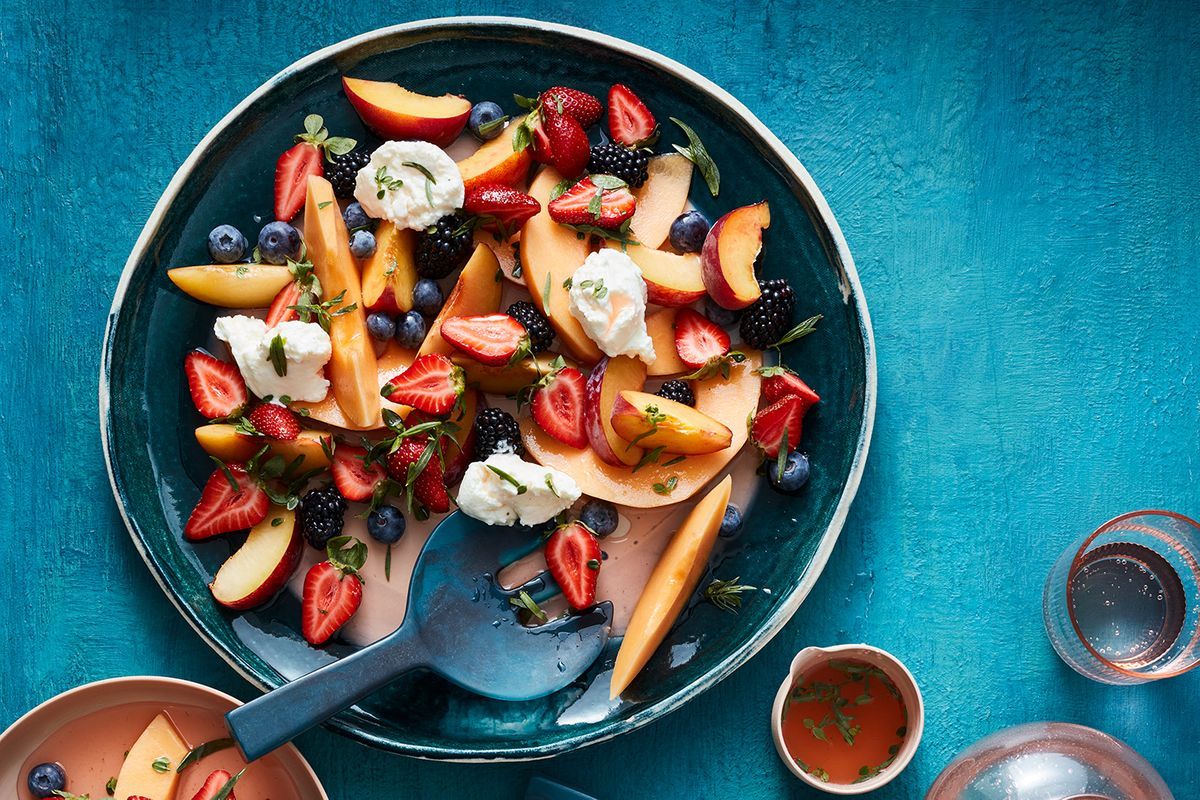
Fresh vegetables and fruits
-
Whole grains like oats, brown rice, and quinoa
-
Lean meats, fish, eggs, and legumes
Choosing whole foods helps reduce excess sodium, added sugars, and unhealthy fats.
Protein for Balance and Satiety
Protein plays a vital role in healthy recipes. It supports muscle maintenance, metabolism, and appetite control.
Healthy protein options include:
-
Chicken, turkey, and lean beef
-
Fish such as salmon, cod, and tuna
-
Eggs and Greek yogurt
-
Beans, lentils, tofu, and tempeh
Including protein in every meal improves satisfaction and reduces cravings.
Smart Carbohydrates
Carbohydrates are not the enemy. Healthy recipes focus on carbohydrates that provide sustained energy.
Choose:
-
Sweet potatoes and squash
-
Whole-grain bread and pasta
-
Beans and lentils
-
Vegetables like carrots and peas
These carbs contain fiber that supports digestion and gut health.
Healthy Fats Matter
Fats are essential for nutrient absorption and hormone production. Healthy recipes include fats from:
-
Olive oil and avocado oil
-
Nuts and seeds
-
Avocados
-
Fatty fish
Using fats in moderation enhances flavor and nutrition.
Healthy Breakfast Recipes for a Strong Start
Protein-Rich Smoothie Bowls
Smoothie bowls combine fruits, protein, and healthy fats in one nourishing meal. Blending berries with yogurt or plant-based protein creates a balanced breakfast that’s quick and refreshing.
Toppings like seeds, nuts, and fresh fruit add texture and fiber.
Whole-Grain Toast with Eggs and Vegetables
This breakfast provides a perfect balance of protein, carbohydrates, and fats. Adding vegetables such as spinach or tomatoes increases nutrient density without adding many calories.

Wholesome Lunch Recipes That Keep You Energized
Mediterranean Chickpea Salad
This plant-based recipe is rich in fiber, protein, and healthy fats. Chickpeas paired with vegetables, olive oil, and herbs create a satisfying lunch that’s easy to prepare and travel-friendly.
Grilled Fish Wraps
Using whole-grain wraps, lean fish, and fresh vegetables creates a nutritious lunch that’s light yet filling. Adding yogurt-based sauces keeps flavor high without excess calories.
Healthy Dinner Recipes for the Whole Family
Roasted Chicken with Seasonal Vegetables
Roasting is one of the healthiest cooking methods. It preserves flavor while requiring minimal oil. Pairing lean protein with vegetables creates a balanced and comforting meal.
Vegetable Stir-Fry with Brown Rice
A colorful stir-fry provides antioxidants, fiber, and plant-based nutrients. Using minimal oil and natural spices keeps the meal light and flavorful.
Smart Healthy Snacks for Any Time of Day
Healthy snacking prevents overeating and supports stable energy.
Nutritious snack ideas include:
-
Cottage cheese with fruit
-
Hard-boiled eggs
-
Fresh vegetables with hummus
-
Trail mix made with nuts and seeds
These options combine protein and healthy fats to keep hunger in check.
Healthy Desserts That Satisfy Sweet Cravings
Healthy recipes don’t eliminate dessert—they reinvent it.
Yogurt with Fruit and Honey
This simple dessert provides probiotics, natural sweetness, and antioxidants.
Oat-Based Baked Treats
Using oats, bananas, and dark chocolate allows you to enjoy baked goods with added fiber and fewer refined sugars.
Cooking Techniques That Support Health
Healthy recipes rely on cooking methods that protect nutrients and reduce unnecessary fats.
Best techniques include:
-
Baking and roasting
-
Steaming vegetables
-
Grilling lean proteins
-
Light sautéing with healthy oils
Avoid deep frying and excessive sauces that add empty calories.
Meal Planning: Making Healthy Recipes a Habit
Consistency is easier with planning. Preparing meals in advance saves time and reduces the temptation of unhealthy convenience foods.
Meal planning benefits:
-
Improved portion control
-
Reduced food waste
-
Lower grocery costs
-
Less daily stress
Even preparing just a few meals ahead can make a significant difference.
Common Mistakes in Healthy Cooking
Overcomplicating Recipes
Simple meals are easier to stick with. Healthy cooking doesn’t require gourmet techniques.
Ignoring Flavor
Healthy recipes should be enjoyable. Herbs, spices, citrus, and garlic add flavor without extra calories.
Being Too Restrictive
Healthy eating works best when it’s flexible. Occasional treats help maintain balance and prevent burnout.
How Healthy Recipes Support Long-Term Health
Regularly preparing healthy recipes can lead to:
-
Improved digestion and gut health
-
Better weight management
-
Steadier energy levels
-
Reduced risk of chronic disease
More importantly, it builds a positive relationship with food.

Final Thoughts
Healthy recipes are not about perfection—they’re about making nourishing choices most of the time. By focusing on whole ingredients, balanced meals, and simple cooking methods, healthy eating becomes practical and enjoyable.
When healthy recipes fit into your lifestyle, they stop feeling like a diet and start feeling like a natural way of eating. Over time, these habits support better health, confidence, and quality of life—one delicious meal at a time.