

At 4:30 a.m. on a typical morning, Kevin Hart is already hitting the gym.
While he is best known as a comedian and actor, Kevin Hart is a fitness fanatic with the dedication of a professional athlete. He works out six days a week and spends about 90 minutes a day in the gym. There is no room for excuses.
This is a commitment this actor has been making for over ten years. Kevin Hart contacted fitness trainer Ron “Boss” Everline and told him he wanted to make a name for himself in the fitness world.
“He told me he wanted to land on the cover of Men’s Health,” Everline said in an interview with Business Insider. “And I told him I could get him there. As long as he is willing to follow the plan, I can get him there.”
Ron “Boss” Everline has a simple plan. Strength training, intense workouts, and commitment over a long period of time is what will get the job done.
And he has followed through. Hart has graced the cover of the magazine’s June 2015 issue, and again in the June 2020 issue. In addition to that, he has appeared in countless other fitness features along the way.
Today, at the age of 46, he continues to train with the same level of intensity but has shifted his focus to maintaining strength long-term.
“Age isn’t really what determines what we can do. The way you train is what keeps you feeling youthful and energized. The program’s the same. It’s just how much weight we’re using.”
The principles that Everline has followed to achieve a lean physique have remained the same throughout the years. Below are some of the best tips that Hart has to offer to the world.
Lift Weights with Correct Form and Intent
Everline started his fitness journey with the intention of playing in the NFL. He has carried that mentality into the way he trains Hart.
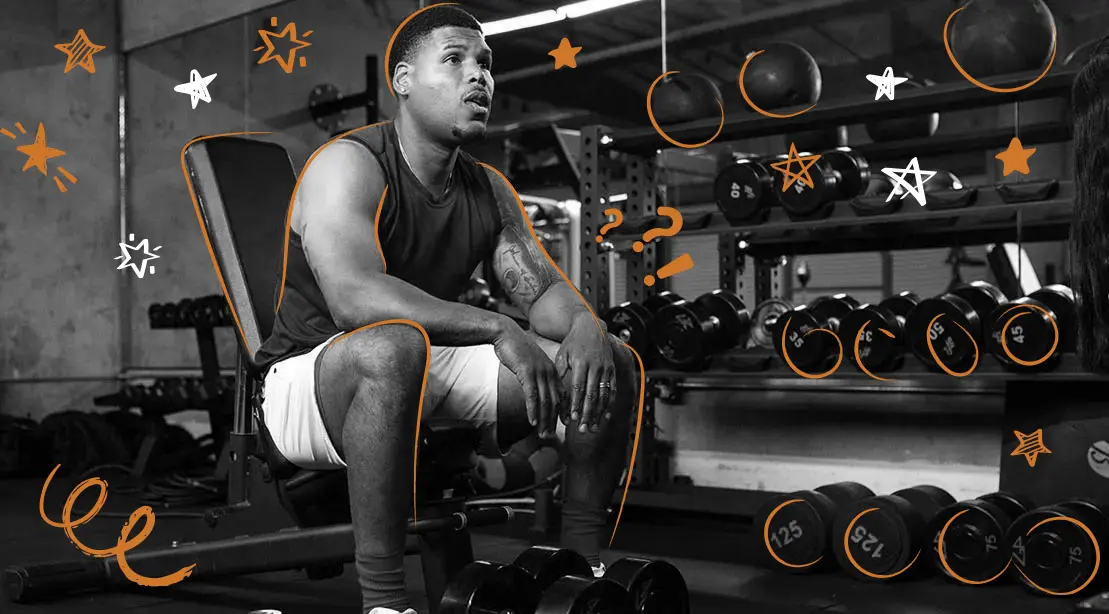
The way Hart trains has focused a lot on full-body exercises to achieve power, speed, and performance. A week’s worth of training might be like this: legs on Monday mornings, chest in the middle of the week, shoulders and back on Thursday, and then full-body training on Friday and Saturday. Sundays are reserved for light cardio.
While the exercises have remained the same, the focus has shifted from lifting the heaviest weights to maintaining endurance.
“Now it’s more focused on movement, flexibility, and stretching. You don’t need to lift that much. Muscle becomes even more important with age. The more you have, the better you’ll feel, Everline, who is now 41, said the key to real strength gains is to challenge your muscles with quality reps over a period of time, not necessarily to use the most weight possible.
“Going extremely heavy is not necessary for muscle growth. What’s most important is the time under tension, or how long the muscle is under work and stress.”
Don’t skip the warm-up
Another big change between training in your 20s and training in your 40s, Everline said, is that you can’t simply walk into the gym and start lifting.
“There’s a lot more preparation involved. When you’re 25, you can show up and jump right in. Now, you have to prime the body first.”
This is where a good warm-up comes in, as it can help activate the muscles you’re going to use, reinforce the movements you’re going to do, and help prevent injury.
Sprinting keeps you sharp
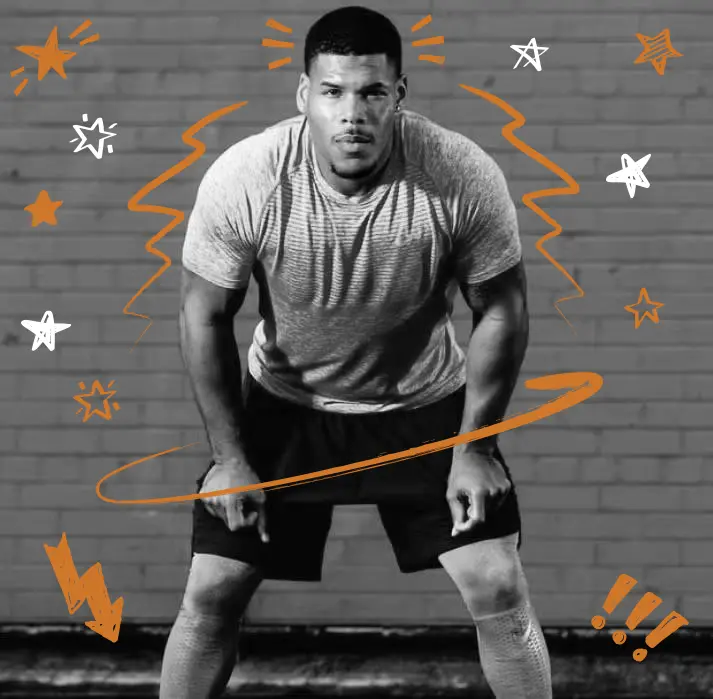
Hart’s training also includes a lot of intense interval training, particularly on full-body training days.
“We sprint a lot to increase the heart rate and keep the body feeling young,” Everline said.
Everline, who has a background in athletic training, likes to take Hart on the track for some 100- or 200-meter runs, as well as some short sprints on the treadmill for a minute or so.
Studies have already shown the benefits of short, intense cardio sessions, and how they can help prevent heart problems, diseases, and even the aging process.
“Most people stop sprinting as they get older. But if you practice it, you can still sprint in your 50s and 60s. That’s why it’s a big part of what we do.” unction.”
Get a little competitive
Another thing that allows Hart to thrive on such a rigorous training regimen is the fact that it appeals to his competitive nature, which helps to keep things exciting instead of boring.
According to Everline, incorporating a sense of playfulness, whether through training with another person or incorporating a sense of competition into your regimen, can go a long way towards making your fitness regimen more enjoyable.
“It keeps that sense of gamification in how we train at a really high level,” Everline said.
The key to success lies in continually seeking ways to challenge yourself while also enjoying the process. While motivation varies from person to person, no one formula can work for everyone.
“It’s about finding a formula that fits you, taking it day by day, and not feeling like you need all the answers right away,” he said. “That’s what longevity is built on: the compound effect of doing small things consistently over time.”