

The supplements industry has exploded over the past decade. From vitamin D sprays and collagen powders to herbal capsules promising better sleep or faster fat loss, the choices seem endless. With so many products on the market, it’s easy to wonder whether supplements are necessary—or simply clever marketing. Understanding what supplements are, how they work, and when to use them can help you make smarter decisions for your health.
What Exactly Are Supplements?
Dietary supplements include vitamins, minerals, herbs, amino acids, and other compounds intended to “supplement” the diet. They are available as capsules, tablets, powders, liquids, and even gummies. Common examples include:
-
Multivitamins
-
Fish oil
-
Magnesium
-
Protein powders
-
Herbal extracts like turmeric or ginseng
-
Probiotics
Unlike prescription medications, supplements typically do not require proof of effectiveness before being sold. Regulation varies by country, but the responsibility to choose safe and reputable products often falls on the consumer.
Why Do People Take Supplements?
People use supplements for many reasons:
-
To fill nutrient gaps
-
To improve energy and mood
-
To enhance sports performance
-
To support immune health
-
To manage stress and sleep
-
To promote longevity
Some individuals genuinely need supplements due to medical conditions, dietary restrictions, or lifestyle factors. For example, vegans may require vitamin B12, which is found primarily in animal products. Older adults may benefit from vitamin D and calcium to support bone health.
But for others, supplements function as part of a broader wellness routine—sometimes based on science, sometimes based on trend.
Supplements With Strong Scientific Support
Not all supplements are equally effective. A few have consistent research backing when used appropriately.
Vitamin D
Often called the “sunshine vitamin,” vitamin D plays an important role in bone strength, immune health, and mood regulation. Many people don’t get enough sunlight or dietary vitamin D, making deficiency common. Supplementation can help restore healthy levels, but overdosing may lead to toxicity—so appropriate dosing matters.
Omega-3 Fatty Acids
Omega-3 fats, often sourced from fish oil or algae, support heart and brain health. They may help reduce inflammation and improve triglyceride levels. For people who don’t regularly eat fatty fish, supplements can be beneficial.
Magnesium
Magnesium supports muscle relaxation, nerve function, and sleep quality. Athletes, people under high stress, or those with poor diets may be at risk of deficiency. Certain forms (like magnesium glycinate) are absorbed better than others.
Protein Powders
Protein supplements are useful for athletes, older adults, or anyone struggling to meet protein needs through food. When paired with exercise, they support muscle repair and maintenance.
Supplements That Require Caution
Some supplements are heavily marketed despite weak scientific backing. Others may work—but carry risks.
-
Fat-burning pills often contain stimulants that may raise blood pressure or cause anxiety.
-
High-dose antioxidants can interfere with the body’s natural cellular processes.
-
Unregulated herbal blends may vary widely in potency or interact with medications.
More is not always better—especially when it comes to concentrated extracts.
“Natural” Doesn’t Always Mean Safe
There’s a common belief that natural products are inherently safe. However, many natural compounds are biologically active, meaning they can cause side effects or interact with prescription drugs.
For example:
-
St. John’s wort may interfere with antidepressants and birth control.
-
Kava has been linked to liver toxicity in rare cases.
-
Green tea extract in high doses may cause digestive or liver issues.
Always let your healthcare provider know about any supplements you’re taking.
Can Supplements Replace a Healthy Diet?
Short answer: no.
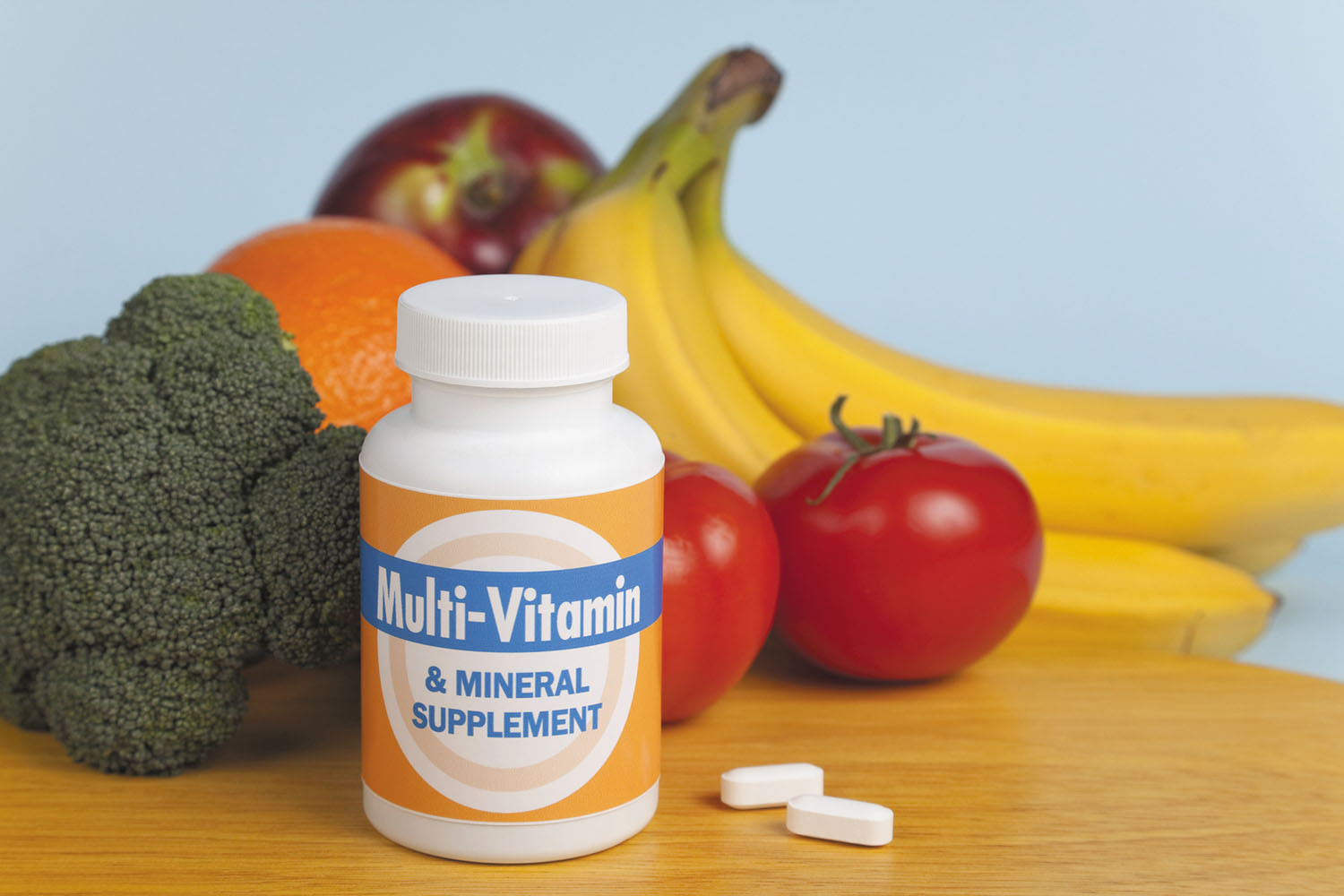
Supplements do not contain the same complex mix of fiber, antioxidants, and plant compounds found in whole foods. A balanced diet rich in fruits, vegetables, whole grains, and lean proteins remains the foundation of good health.
Supplements work best as add-ons, not replacements.
Who Might Benefit Most From Supplements?
Certain groups may have higher nutritional needs:
-
Vegans and vegetarians (B12, iron, omega-3s)
-
Pregnant individuals (folate and iron—doctor-supervised)
-
Older adults (vitamin D, calcium, B12)
-
People with digestive disorders
-
Athletes with high training loads
Personalized guidance is always recommended.
How to Choose High-Quality Supplements
Because the supplement market is so large and lightly regulated, quality can vary widely. When shopping for supplements, look for:
-
Third-party testing seals (USP, NSF, Informed-Choice)
-
Transparent labels with clear dosages
-
Minimal fillers and artificial additives
-
Brands with strong reputations and research transparency
Be skeptical of bold claims like “miracle cure,” “doctor-approved,” or “instant results.” Evidence-based products rarely rely on sensational marketing.
The Role of Probiotics and Gut Health
Gut health has become one of the hottest topics in wellness—and probiotics are at the center of attention. Probiotics are live microorganisms thought to support digestive balance and immune function. Evidence suggests they may help with certain digestive conditions, but effects vary by strain and individual.
Not all probiotics are equal. Some require refrigeration. Others are designed for specific concerns. It may take experimentation to find one that works for you.
Collagen: Trend or Truth?
Collagen supplements—often sold as powders—are marketed for skin, joint, and hair health. Early research suggests collagen may support joint comfort and skin elasticity, particularly in aging adults. However, results vary, and lifestyle factors like hydration, sleep, and diet still play a major role.
Common Myths About Supplements
Myth #1: If a little is good, more is better.
High doses can be harmful or toxic.
Myth #2: Supplements work instantly.
Most require consistent use over time.
Myth #3: All supplements are safe because they’re sold over-the-counter.
Regulation is limited in many countries.
Tips for Safe Supplement Use
-
Talk to your doctor or pharmacist before starting anything new
-
Stick to recommended dosages
-
Avoid mixing multiple products with overlapping ingredients
-
Monitor how you feel—and stop if side effects occur
-
Buy from reputable sources
Listening to your body is key.
The Future of Supplements

As research advances, supplements are becoming more personalized. DNA testing, microbiome analysis, and wearable health technology are helping companies tailor recommendations. However, hype often outpaces science—so critical thinking remains essential.
Final Thoughts
Supplements can play a valuable role in supporting health when used wisely. Some offer real, research-backed benefits; others are largely driven by marketing trends. The best approach is balanced: focus first on whole-food nutrition, regular movement, sleep, and stress management—then use supplements to fill specific gaps.
Being informed, cautious, and selective ensures that supplements remain a helpful tool rather than an expensive gamble.