

Fitness is often portrayed as dramatic transformations, intense workouts, and flawless routines — but in reality, it’s much simpler. At its core, fitness is about creating a body that moves well, feels strong, and supports the life you want to live. Whether your goal is to build muscle, improve endurance, lose weight, or simply feel more energized, understanding the foundations of fitness is the key to long-term success.
Fitness Is More Than Just Exercise
When most people think of fitness, they think of gyms, treadmills, or lifting weights. But true fitness includes several dimensions:
-
Cardiovascular health — the strength and efficiency of your heart and lungs
-
Muscular strength and endurance — how much force your muscles can generate and sustain
-
Mobility and flexibility — how freely your joints move
-
Balance and coordination — your ability to stabilize and control movement
-
Mental and emotional well-being — your relationship with movement and your body
A strong fitness routine improves each of these areas over time, creating a healthier and more capable version of yourself.
Start Where You Are — Not Where You Think You Should Be
Many people delay starting a fitness routine because they feel unprepared, unfit, or unsure where to begin. The truth is that fitness meets you where you are. You don’t need expensive equipment, years of experience, or perfect motivation.
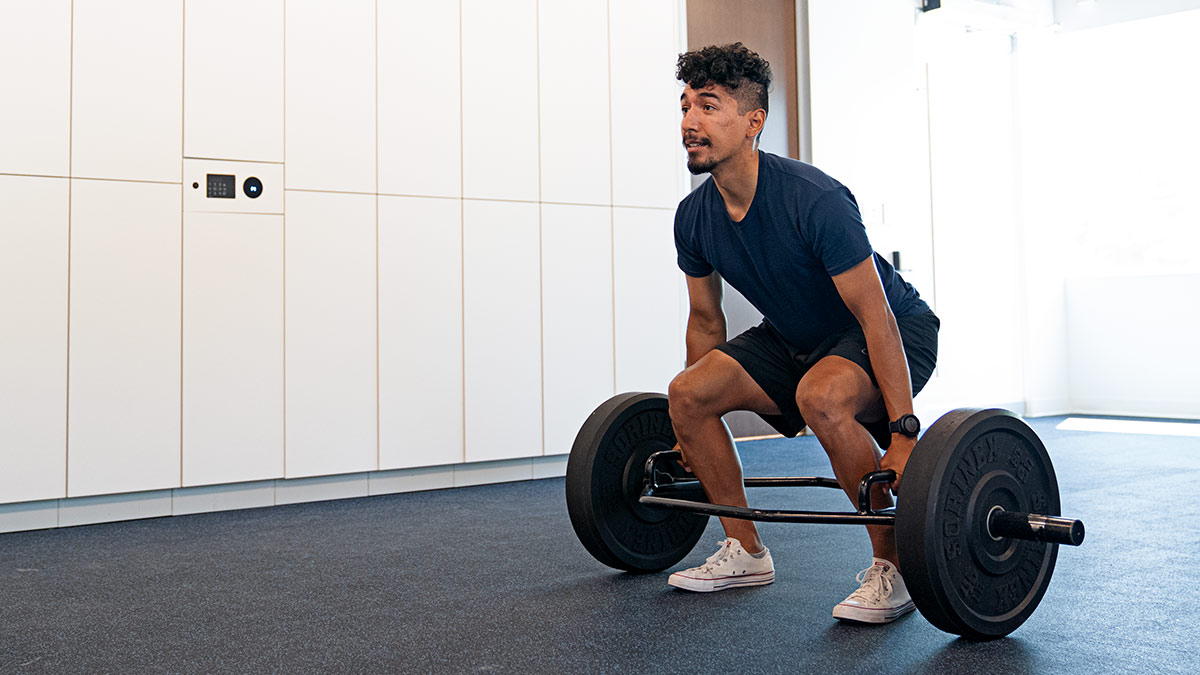
If you’re new to exercise, simple actions make the biggest difference:
-
Take daily walks
-
Add a few minutes of stretching
-
Do basic body-weight exercises such as squats or push-ups
-
Stand and move regularly if you sit for long periods
The goal is progress — not perfection.
Why Strength Training Matters for Everyone
Strength training isn’t just for athletes or bodybuilders. It plays a crucial role in fitness for people of all ages and backgrounds. Building muscle helps:
-
Improve posture
-
Support healthy joints
-
Maintain bone strength
-
Increase daily energy
-
Enhance balance and stability
Strength training can include dumbbells, resistance bands, machines, or your own body weight. Movements like squats, lunges, rows, push-ups, and planks form a solid foundation. Start light, learn proper technique, and gradually increase difficulty over time.
Consistency is far more important than intensity.
Cardio: Training the Body’s Engine
Cardiovascular exercise improves heart and lung function, boosts stamina, and supports overall health. Many people assume cardio must be long or exhausting, but even moderate-intensity activity — such as brisk walking, cycling, or swimming — offers powerful benefits.
Mixing steady-pace cardio with occasional interval training keeps workouts engaging and effective. The key is choosing activities you enjoy, because enjoyment leads to consistency, and consistency delivers results.
Don’t Overlook Mobility and Recovery
If strength and cardio are the “work,” mobility and recovery are the “maintenance.” These often-ignored elements prevent stiffness, reduce discomfort, and support healthy movement patterns.
Mobility work includes:
-
Stretching
-
Yoga
-
Foam rolling
-
Gentle joint movements
Recovery also means getting enough sleep, eating nourishing foods, and giving your body time to rest between demanding workouts. A balanced routine builds your body up — not down.
The Role of Nutrition in Fitness
Exercise alone can’t build a healthy lifestyle. Nutrition supports training by providing energy, aiding recovery, and fueling muscle repair.
While there’s no single “perfect” diet, most fitness-focused eating patterns include:
-
Lean proteins
-
Whole grains
-
Fruits and vegetables
-
Healthy fats
-
Plenty of water
Instead of restrictive rules, aim for balance and sustainability. Small improvements — like reducing ultra-processed foods and eating more whole ingredients — can make a meaningful difference.
Fitness and Mental Health Go Hand in Hand
One of the most overlooked benefits of fitness is its impact on mental and emotional well-being. Regular movement can help improve mood, increase confidence, reduce stress, and create a sense of accomplishment.
Exercise also builds discipline and resilience. When you overcome challenges in your workouts, you learn to face challenges in everyday life with greater confidence.
Building a Routine You’ll Actually Stick To
The biggest challenge in fitness isn’t starting — it’s sticking with it. Motivation comes and goes, but habits last. Here are some strategies to stay consistent:
-
Schedule workouts like appointments
-
Track progress to see improvement over time
-
Set realistic goals — slow progress is still progress
-
Choose activities you enjoy
-
Train with a friend or group when possible
-
Celebrate small wins
You don’t need hours a day — even 20–30 minutes of purposeful movement can make a huge difference over time.
Avoid the Comparison Trap
In a world filled with fitness influencers and before-and-after photos, it’s easy to compare your journey to others. But every body is unique. Genetics, lifestyle, age, stress levels, and personal history all influence progress.
The only meaningful comparison is with your past self.
Ask questions like:
-
Do I feel stronger?
-
Am I moving more easily?
-
Do I have more energy?
-
Is my mood improving?
If the answer is yes, you are succeeding.
Fitness as a Lifelong Practice
Fitness isn’t a quick project — it’s an evolving relationship with your body. There will be weeks of great workouts and weeks where life feels busier or harder. What matters most is that you return to the routine rather than quitting altogether.
Over time, fitness becomes less about obligation and more about appreciation for what your body can do.
Final Thoughts
Fitness is not about chasing perfection. It’s about building strength, mobility, endurance, and confidence that support your everyday life. Whether you’re lifting weights, walking outdoors, practicing yoga, or playing your favorite sport, every bit of movement counts.