

Fitness is often misunderstood as a quick sprint toward a specific goal — losing a few kilograms, fitting into a certain outfit, or preparing for an event. But real fitness is not a temporary project. It’s a lifelong practice built on daily choices, consistent habits, and a balanced approach to both body and mind. When you see fitness as a lifestyle rather than a short-term challenge, everything changes — including your results.
What Fitness Really Means
Fitness isn’t just about lifting heavy weights or running marathons. At its core, it means having the strength, stamina, mobility, and mental resilience to handle everyday life with energy left over. True fitness is measured by how well your body functions — how you move, feel, recover, and live.
A complete approach to fitness usually includes four pillars:
-
Strength — your ability to lift, push, pull, and stabilize
-
Endurance — how long your heart and lungs can support movement
-
Mobility — how freely and safely your joints move
-
Recovery — how well your body rests, heals, and adapts
Ignoring any one of these can create imbalance, discomfort, or stalled progress.
Why Habits Matter More Than Motivation
Motivation is powerful — but temporary. Some days you’ll feel unstoppable, and others you may not want to move at all. That’s normal. The people who stay fit long-term aren’t necessarily more motivated; they’ve simply built habits that make movement part of their daily life.
Small, repeatable actions create lasting change. For example:
-
Taking a 30-minute walk daily
-
Strength training 2–3 times per week
-
Stretching before bed
-
Choosing balanced meals
These habits compound over time and eventually become automatic — just like brushing your teeth.
Strength Training: The Foundation of a Strong Body
Many people associate strength training with bodybuilders, but it’s beneficial for everyone — regardless of age, fitness level, or body type. Building muscle improves posture, supports your joints, boosts metabolism, and protects against injury. It also helps maintain bone density, which becomes increasingly important as we age.
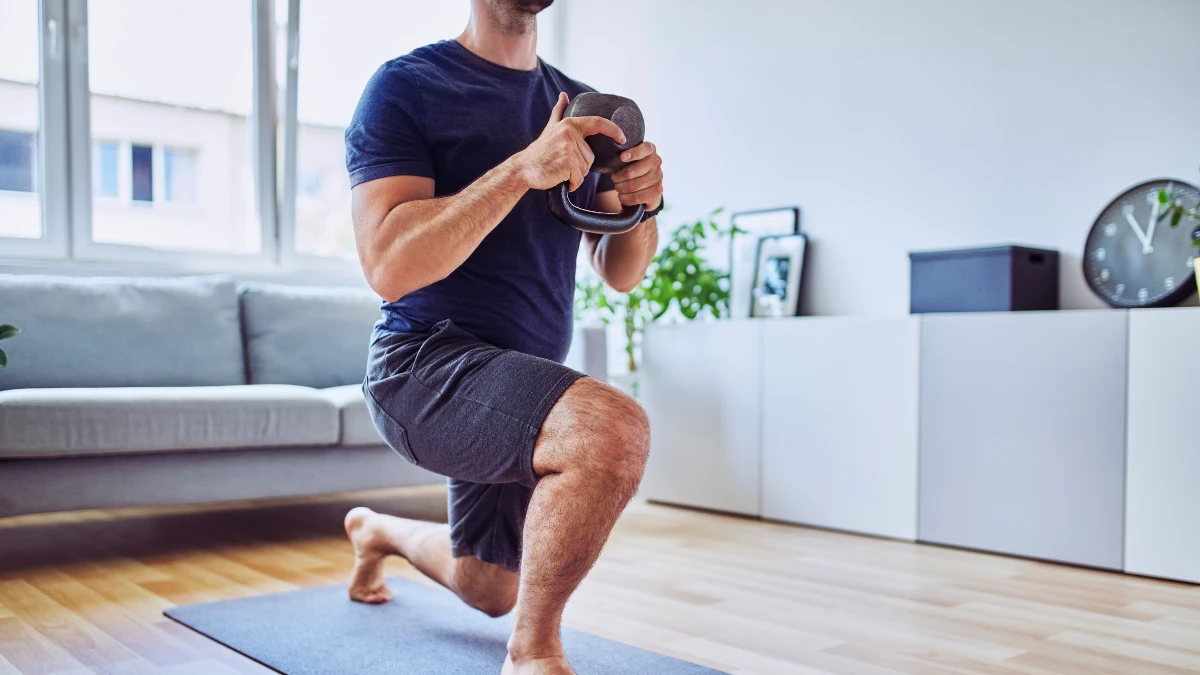
Strength training doesn’t require complicated equipment. Bodyweight exercises such as squats, lunges, push-ups, and planks can be incredibly effective. For best results, aim to work major muscle groups two to three times per week, gradually increasing resistance or difficulty as you progress.
Cardio: Training Your Most Important Muscle
Your heart is the engine of your body — and cardio keeps it strong. Cardiovascular exercise improves endurance, circulation, and oxygen delivery while supporting mental clarity and emotional balance.
Simple forms of cardio include:
-
Walking
-
Cycling
-
Swimming
-
Jogging
-
Rowing
-
Dancing
Even moderate movement — such as brisk walking for 30 minutes a day — can dramatically improve health. If you enjoy what you’re doing, you’ll stick with it. That’s far more important than performing the “perfect” workout.
Mobility and Flexibility: Stay Pain-Free and Functional
In our screen-filled world, many of us spend hours sitting and barely moving our joints through their natural range. This often leads to stiffness, tight muscles, and back or neck pain. Mobility training — dynamic movement that improves joint health — helps counteract these effects.
Stretching, yoga, foam rolling, and simple movement routines all support flexibility and body awareness. Just ten minutes per day can improve posture, reduce discomfort, and support better performance in both cardio and strength work.
Fueling Your Body the Right Way
Exercise is only part of the equation — nutrition plays an equally important role. Food is fuel, and the quality of that fuel affects your energy, mood, recovery, and results.
A balanced approach includes:
-
Lean protein to build and repair muscle
-
Complex carbohydrates for energy
-
Healthy fats for hormone and brain function
-
Plenty of fruits and vegetables for vitamins and fiber
-
Adequate water for hydration
Extreme diets might deliver fast changes, but they rarely last. Sustainable nutrition supports your goals without leaving you feeling deprived.
The Power of Rest and Recovery
One of the biggest mistakes people make is believing they need to train intensely every single day. But your body grows stronger during recovery — not during the workout itself. Without adequate rest, stress hormones rise, energy drops, and injury risk increases.
Quality sleep plays a crucial role as well. Aim for 7–9 hours per night to support recovery, mood regulation, immune health, and performance.
Listening to your body is a skill worth developing.
Mental and Emotional Benefits of Fitness
While the physical benefits of exercise are obvious, the mental effects are just as powerful. Regular movement:
-
Reduces stress and anxiety
-
Improves focus and memory
-
Boosts mood through endorphins
-
Builds confidence
-
Encourages self-discipline
Fitness reminds you that you are capable of growth — that effort leads to progress, both inside and out.
Busting Common Fitness Myths
There are countless misconceptions in the fitness world. Here are a few worth letting go of:
-
You need hours in the gym to see results.
Short, consistent workouts are highly effective. -
Cardio is the only way to lose fat.
Strength training matters — a lot. -
You must feel sore after every workout.
Soreness isn’t the only sign of progress. -
It’s too late to start.
Movement benefits every age and ability level.
A Simple, Sustainable Weekly Routine
Here’s a balanced beginner-friendly structure you can adapt:
-
Day 1 — Strength (upper body)
-
Day 2 — Light cardio + stretching
-
Day 3 — Strength (lower body)
-
Day 4 — Rest or gentle mobility
-
Day 5 — Moderate cardio session
-
Day 6 — Full-body circuit or active recreation
-
Day 7 — Rest, yoga, or walking
Keep workouts 30–60 minutes. Consistency beats intensity.
Your Fitness Journey Is Unique
Fitness is not a competition. It isn’t about comparing bodies or chasing unrealistic ideals. It’s about honoring your health, respecting your body, and building a life filled with strength, confidence, and vitality.
There will be setbacks. There will be days when you feel unstoppable — and days when you struggle to begin. What matters most is that you keep showing up for yourself.

Final Thoughts
Lifelong fitness isn’t built from quick fixes or extreme routines. It grows from patience, steady effort, and self-compassion. By prioritizing movement, balanced nutrition, rest, and mindset, you give yourself one of the greatest gifts possible — a strong and resilient body that supports the life you want to live.
Start where you are. Move in ways that feel good. Stay consistent.
Your future self will thank you.