

Artificial sweeteners are often marketed as a healthier alternative to sugar, promising sweetness without the calories. Found in diet sodas, sugar-free snacks, and low-calorie desserts, they’ve become a popular choice for weight management and blood sugar control. However, their impact on health is more complex than it seems. From potential effects on metabolism and gut health to cravings and long-term safety concerns, artificial sweeteners remain a topic of debate. In this article, we’ll explore what artificial sweeteners are, how they work in the body, and whether they truly support—or undermine—your health goals.
Why Artificial Sweeteners Are So Widely Used
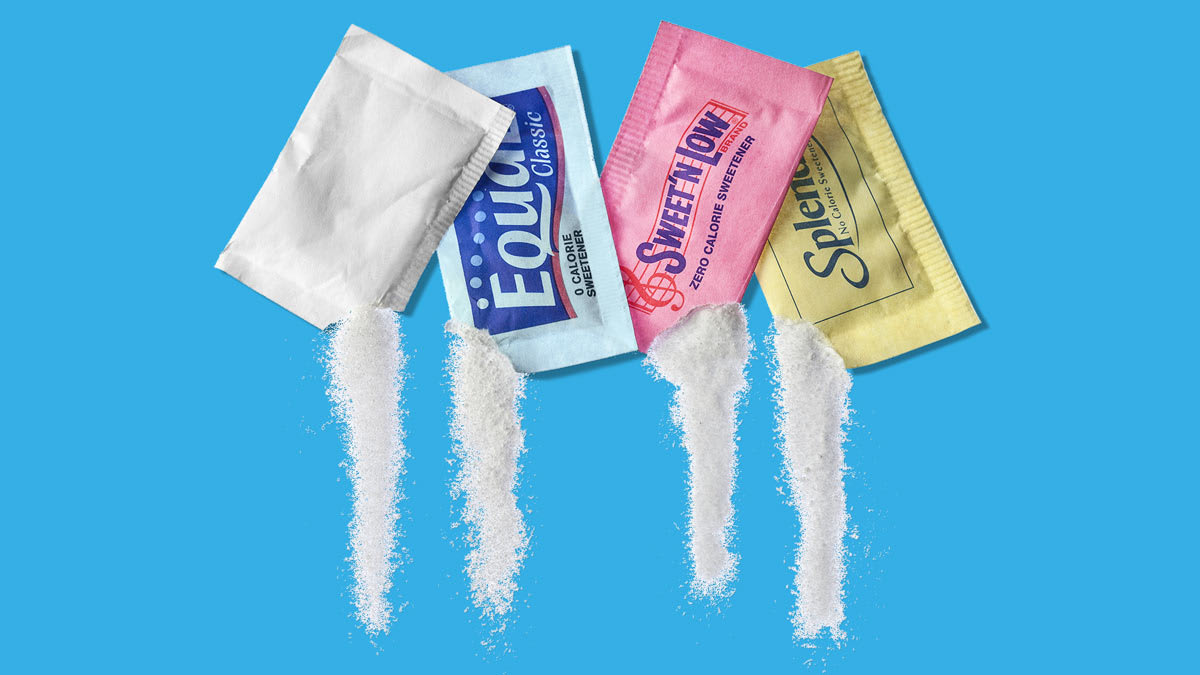
Artificial sweeteners have become a staple in modern diets largely because they provide sweetness without the calories of sugar. Food and beverage manufacturers use them in diet sodas, sugar-free snacks, chewing gum, and low-calorie desserts to appeal to health-conscious consumers and those managing weight or blood sugar. They are also highly stable, shelf-friendly, and intensely sweet—often hundreds of times sweeter than sugar—allowing smaller amounts to achieve the desired flavor. Beyond calorie control, artificial sweeteners are marketed as a tool for diabetes management and weight loss, making them a convenient alternative for people seeking to reduce sugar intake. Their widespread availability, affordability, and perceived health benefits contribute to their popularity, even as research continues to explore their long-term effects on metabolism, gut health, and overall well-being.
Impact on Gut Health and the Microbiome
Emerging research suggests that artificial sweeteners may affect gut health by altering the composition of the microbiome—the trillions of bacteria that play a key role in digestion, immunity, and metabolism. Some studies indicate that certain sweeteners, such as saccharin and sucralose, can disrupt gut bacteria balance, potentially leading to glucose intolerance, inflammation, and digestive discomfort. While effects vary between individuals and more long-term research is needed, frequent consumption of highly processed artificial sweeteners could interfere with the beneficial bacteria that support overall health. Choosing whole, minimally processed foods and limiting artificial sweeteners may help maintain a balanced microbiome, supporting digestion, metabolic function, and long-term wellness.
Do Artificial Sweeteners Increase Sugar Cravings?
While artificial sweeteners provide sweetness without calories, they may inadvertently increase sugar cravings in some people. Because these sweeteners deliver intense sweetness without the usual calories, the brain can become conditioned to expect a sugar “reward” that never fully arrives, potentially driving cravings for real sugar and high-calorie foods. Some studies also suggest that frequent consumption may alter taste preferences, making naturally sweet foods like fruit taste less satisfying. However, responses vary between individuals, and moderation is key. Being mindful of sweetener use, gradually reducing overall sweetness in your diet, and focusing on whole foods can help manage cravings while still enjoying occasional low-calorie treats.
Conclusion
Artificial sweeteners offer a low-calorie alternative to sugar, but their effects on gut health, metabolism, and cravings are complex. Moderation, mindful consumption, and prioritizing whole, nutrient-dense foods are key. Understanding how sweeteners interact with your body can help you make informed choices that support long-term health and well-being.