

Weight loss is one of the most common health goals in the world, yet it often feels like one of the hardest to achieve. Between crash diets, detox teas, celebrity trends, and endless online advice, it’s easy to feel overwhelmed or discouraged. The truth is that sustainable weight loss isn’t about perfection or strict rules — it’s about understanding your body, your habits, and your mindset. When you approach weight loss as a lifestyle shift rather than a temporary plan, success becomes much more achievable.
Why Weight Loss Feels So Difficult
If you’ve ever started a diet enthusiastically only to give up weeks later, you’re not alone. Our bodies are designed for survival, not rapid fat loss. When calorie intake drops too low, the body may slow metabolism, increase hunger, and trigger cravings. This is why restrictive diets can work at first but eventually become impossible to maintain.
There’s also the psychological side. Many of us eat for comfort, routine, social connection, or stress relief — not just hunger. Until these habits are understood, weight loss can feel like a constant battle.
The good news? Sustainable change is absolutely possible when you combine balanced nutrition, movement, sleep, stress management, and self-compassion.
Understanding Energy Balance
Weight loss ultimately comes down to energy balance — the relationship between calories you consume and calories you burn. To lose weight, you generally need a calorie deficit, but that doesn’t mean starving yourself. In fact, the healthiest and most sustainable approach is a small to moderate deficit, created through a combination of eating well and staying active.
Slow progress may not look dramatic, but it’s far more likely to last.

Focus on Nutrition, Not Just Calories
Calories matter — but the quality of those calories matters just as much.
A diet built around whole, minimally processed foods helps regulate appetite, stabilize blood sugar, and support your body nutritionally. Consider these foundations:
-
Protein at each meal
Protein preserves muscle, supports metabolism, and keeps you fuller longer. Good sources include eggs, lean meats, dairy, tofu, beans, and fish. -
Fiber-rich foods
Vegetables, fruits, legumes, and whole grains support digestion and help control hunger. -
Healthy fats
Avocado, nuts, olive oil, and seeds support brain and hormone health. -
Limit ultra-processed foods
These often pack calories without nutrients and may encourage overeating.
And don’t forget hydration. Thirst is often mistaken for hunger, and staying hydrated supports metabolism and energy levels.
You don’t need a perfect diet — just consistent improvements.
Portion Control Without Obsession
Weighing every gram of food isn’t realistic for most people. Instead, try simple strategies such as:
-
Eating slowly
-
Finishing when you’re satisfied, not stuffed
-
Using smaller plates
-
Serving food into a bowl rather than eating from the package
Mindful eating helps you reconnect with natural hunger cues — something that modern snacking culture often numbs.
Exercise: The Secret Isn’t Intensity — It’s Consistency
While you can lose weight through diet alone, movement makes the journey easier and healthier.
A balanced routine includes:
-
Cardio
Walking, cycling, swimming, or jogging improves heart health and burns calories. -
Strength training
This helps build muscle — which increases your resting metabolism and shapes the body. -
Light daily movement
Standing, taking stairs, gardening, or stretching all count.
You don’t have to run marathons or live in the gym. The best exercise plan is the one you’ll stick with. Even 30–45 minutes per day of moderate activity makes a huge difference over time.
Sleep and Stress — The Hidden Influencers
Weight loss isn’t just about food and workouts.
Poor sleep disrupts hunger hormones, leading to increased cravings — often for sugary or high-fat foods. Aim for 7–9 hours per night and try to stick to a regular bedtime.
Chronic stress can make weight loss harder, too. High stress levels are linked to emotional eating, fatigue, and hormonal changes that encourage fat storage.
Helpful tools include:
-
Meditation or deep breathing
-
Journaling
-
Spending time outdoors
-
Talking with supportive people
Taking care of your mind is just as important as taking care of your body.
Mindset: The Real Key to Success
Many people think motivation comes first and results follow. In reality, action creates motivation. Small wins build confidence.
Here are mindset shifts that help:
-
Progress, not perfection
One off-plan meal doesn’t undo your work. -
Think long-term
Ask yourself, “Can I do this for a year?” -
Forgive setbacks quickly
Get back on track at the next meal. -
Avoid comparison
Every body loses weight differently.
Your journey is unique — focus on your habits, not someone else’s highlight reel.
Beware of Quick Fixes
If something promises instant results, it’s almost always unsustainable.
Common myths include:
-
Detox teas burn fat
-
Carbs must be eliminated
-
You can target fat loss in specific areas
-
Weight loss must be miserable
Real progress is steady, balanced, and supportive of overall health.
Create Habits That Stick
Instead of overhauling everything at once, try small changes like:
-
Add one serving of vegetables daily
-
Walk after dinner
-
Replace sugary drinks with water
-
Cook at home more often
-
Keep healthy snacks available
These habits compound over time, creating lasting results.
When Professional Help Can Benefit You
A registered dietitian, doctor, or therapist can be especially helpful if:
-
You have significant weight to lose
-
You struggle with emotional eating
-
You have medical conditions
-
You’ve tried many diets without success
Support doesn’t mean weakness — it means you’re investing in your health.
The Bigger Picture: Health Over Numbers
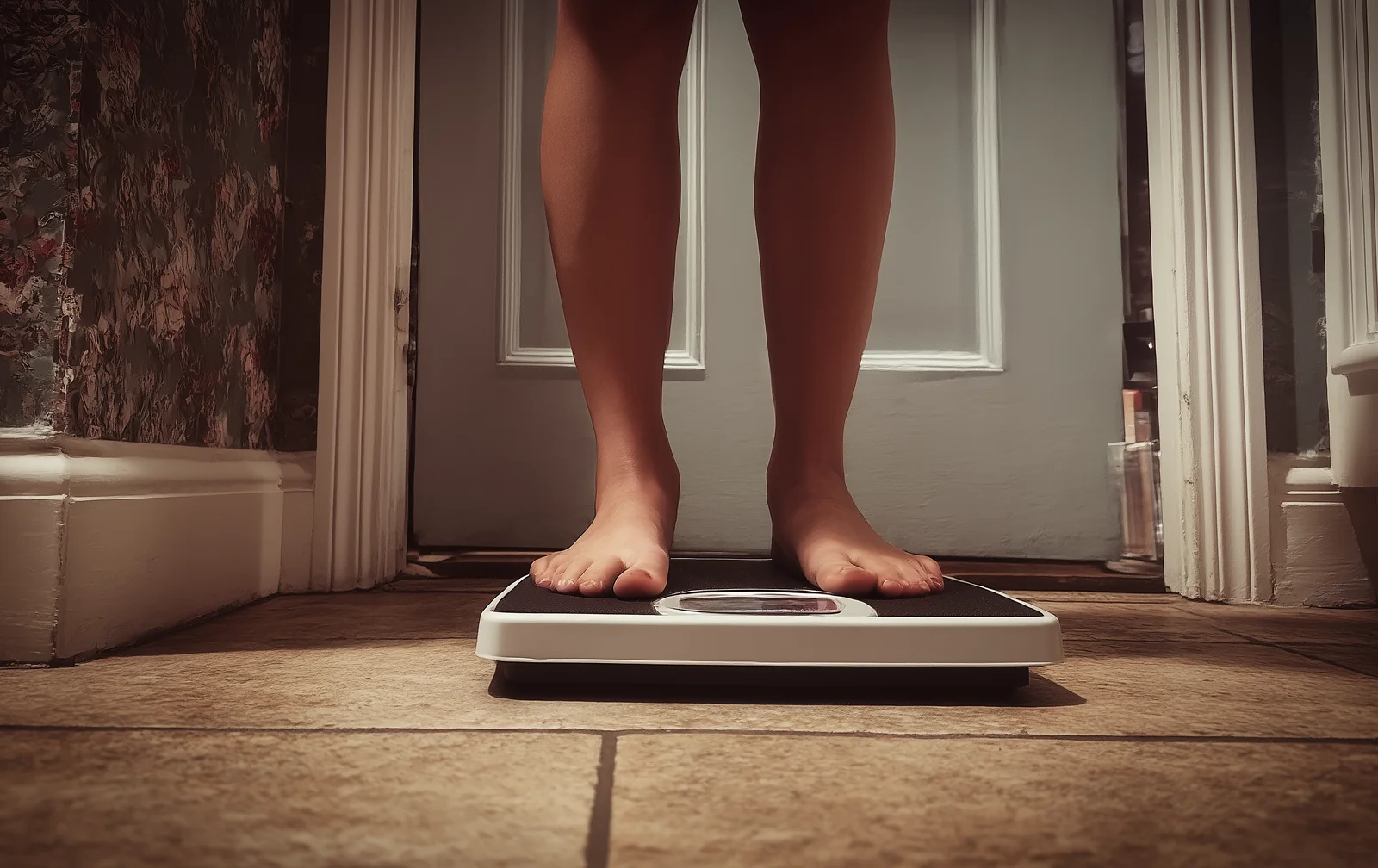
Weight loss isn’t just about a number on the scale. It’s about:
-
Better energy
-
Easier movement
-
Improved confidence
-
Reduced health risks
-
A happier relationship with food
And remember — your worth is not defined by your weight.
Final Thoughts
Sustainable weight loss is built on simple foundations: nutritious food, regular movement, quality sleep, stress management, and a positive mindset. You don’t need extreme diets or rigid rules. You need patience, self-awareness, and consistency.
Change may feel slow, but every healthy choice moves you forward. Over time, those choices add up — not just to a smaller body, but to a stronger, healthier, and more confident you.