

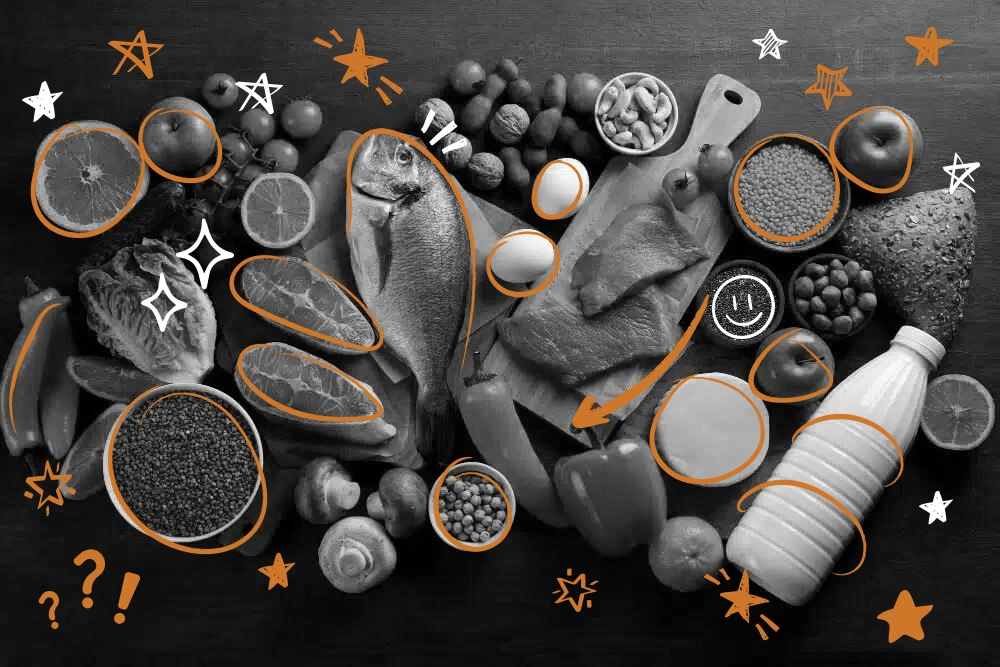
During drug administration in the GLP-1 group, it is recommended to consume high-quality protein sources such as chicken, salmon, dairy products, eggs, and legumes.
An even distribution of protein throughout regular meals throughout the day helps preserve muscle mass and maintain stable energy levels, making it easier to meet daily nutrition needs.
For long-term, sustainable weight-loss results, it is crucial to combine protein with fiber and healthy fats to achieve better satiety, metabolic balance, and higher-quality meals.
During GLP-1 therapy, many patients noticed rapid satiety, eating less, or even skipping meals. Although these changes in appetite can contribute to weight loss, they also make it crucial to choose nutrient-rich foods (especially protein) to maintain health and energy. Drugs in the GLP-1 group work through several mechanisms, including slowing gastric emptying, reducing hunger, prolonging satiety, improving blood sugar control, and affecting brain centers that regulate appetite. Together, these effects lead to reduced food intake and effective, controlled weight loss.
GLP-1 therapies can significantly reduce food intake, leading to unintentional calorie and nutrient deficit in some patients. If this pattern persists for a long time, it can lead to reduced energy intake and nutritional deficiencies, resulting in physical symptoms such as fatigue, weakness, and muscle loss.
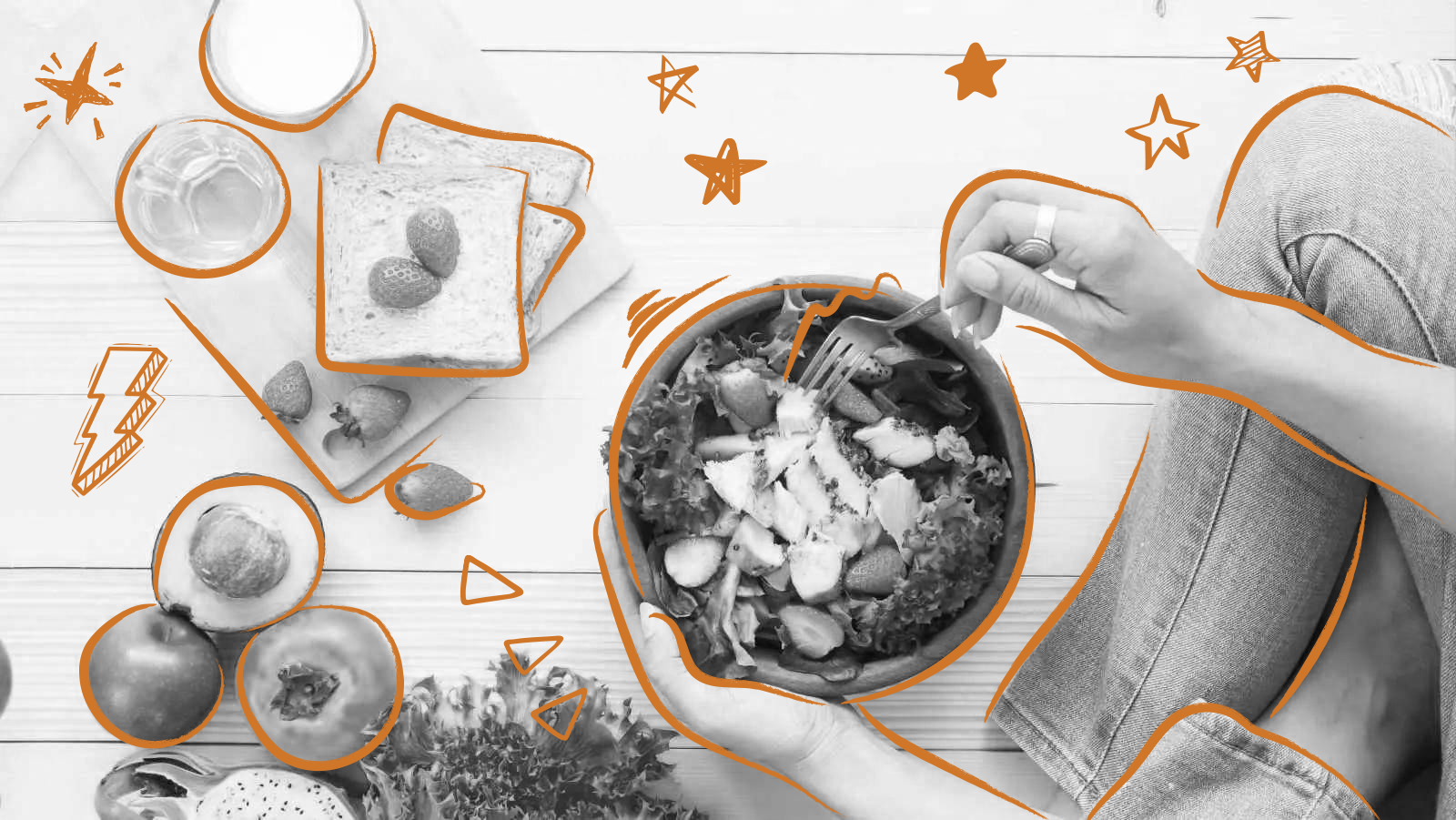
Proteins play a crucial role in maintaining health during weight loss. They contribute to the preservation of lean muscle mass, support metabolic function and strength, prolong satiety, stabilize the immune response, support tissue regeneration, and maintain hormonal balance. Long-term inadequate protein intake can lead to loss of muscle and fat tissue, negatively affecting metabolism, physical performance, and long-term health.
Regular intake of balanced, protein-rich meals throughout the day makes it easier to meet daily macronutrient needs and contributes to healthy, long-term, sustainable weight loss, Summer Kessel points out.
However, when implementing a GLP-1 therapeutic plan, not all protein sources are equally effective. That’s why nutritionists have singled out the best high-protein foods that should be focused on when using GLP-1 drugs.
Chicken Breast
Chicken breast is a lean, high-quality source of low-fat protein. With about 32 grams of protein per 100 grams, this food is an excellent choice for anyone using GLP-1 medications. They help to meet daily protein needs, preserve muscle mass, and keep you feeling full longer. Protein also increases energy expenditure during digestion, which can further support weight loss. It doesn’t have to be “ordinary chicken and broccoli”, diverse, delicious recipes like Lemon Pepper Chicken or Chicken Florentine baked dishes make meals interesting and enjoyable.
Salmon
A 100-gram serving of salmon contains about 22 grams of protein and healthy omega-3 fatty acids, making it an excellent choice for supporting weight loss and maintaining health while using GLP-1 medications. Scientific studies and clinical trials in humans confirm its beneficial effects for the heart; people who eat fish two or more times a week have a 27% lower risk of heart disease over 10 years, and the protective effect is primarily attributed to omega-3 fatty acids.
These results are expected after two to three servings of salmon or other fatty fish per week. For a quick and tasty meal that goes with GLP-1, try a salad with salmon and wholemeal pie or toast, mixed with cooked grains, or as a dip with crackers and vegetables.
Cottage Cheese
Cottage cheese can also be an excellent choice. This food is high in protein and low in calories, with about 24 grams of protein per cup and only 180 calories. A wide variety of foods are enriched with vitamin D, which is crucial for proper hormone function, energy, and bone health, especially important for users of GLP-1 therapy, as most patients still do not meet the recommended daily intake.
The small amount of fat in cottage cheese aids vitamin D absorption, and adding nuts or seeds can further improve it. For a simple, delicious meal, try Cottage Cheese with berries, or as a high-protein addition to salads.
Strained (Greek-Style) Yogurt
Greek yogurt is a protein-rich, easily digestible, gentle on the stomach food, making it an ideal choice for patients with nausea or a quick feeling of satiety. One cup of low-fat, plain Greek yogurt contains about 25 grams of protein and only 164 calories.
In addition to protein, Greek yogurt is also an excellent source of calcium (about 270 mg per serving), which is crucial during weight loss, as this process can increase bone turnover and decrease bone density. Greek yogurt can be eaten on its own as a snack or meal, or added to smoothies, dressings, dips, and sauces to help meet your daily protein intake and nutritional goals.
Eggs
Eggs are a compact and complete protein source with excellent bioavailability. Two large eggs contain about 12 grams of high-quality protein, are easy to prepare, and are well tolerated by the digestive system. In addition to protein, eggs are rich in choline, a nutrient that supports liver health, metabolism, and the removal of excess cholesterol and triglycerides during weight loss. Your choices can be eggs on the eye, or creative egg meals like Sun-Dried Tomato Egg Bites or Breakfast Stuffed Peppers for delicious, nutritious options.
Lentils
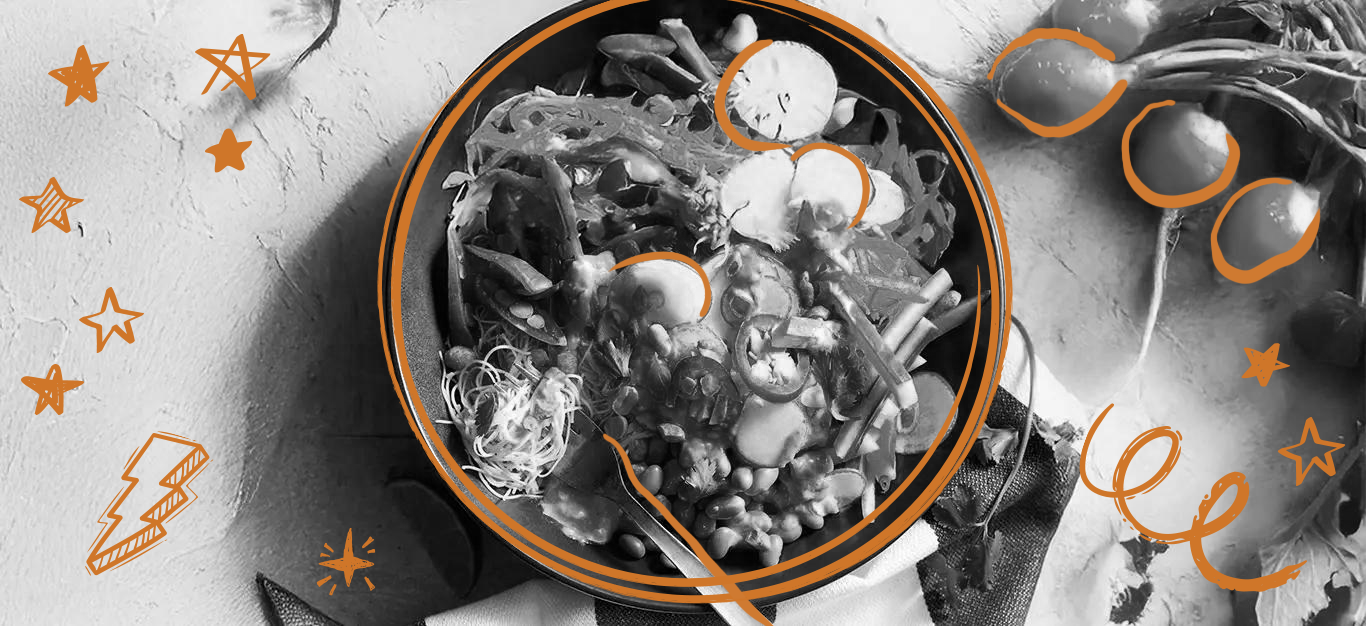
If you’re looking for a plant-based protein source, lentils are a great choice. One cup of cooked lentils contains about 18 grams of protein and 16 grams of fiber, which helps with satiety and the natural production of the GLP-1 hormone.
Fiber also supports bowel function and metabolism; it makes it easier for food to pass through the digestive tract, provides food for good bacteria, slows digestion, and improves insulin sensitivity, helping to better control blood sugar levels. Lentils are easy to prepare and versatile in the kitchen. Try them in lentil burgers or in a warm soup made in the Instant Pot.
Protein Shakes or Ready-to-Drink Protein Beverages
Liquid sources of protein, such as protein shakes, can be easier and faster to consume when your appetite is low or you’re not feeling your best. Although they should not replace regular meals, shakes can help meet your daily protein needs, especially during the first weeks of using GLP-1 drugs or immediately after using injections.
Supplementation is not necessary if you get enough protein from your diet. Protein shakes are a practical option when you need a quick fix, when taste or meal timing is an issue, or when you can’t get enough protein from solid foods. In that case, choose shakes with 20-30 grams of protein per serving, and if it’s difficult for you to drink the whole thing at once, divide it into two smaller portions for better tolerance.
Other Tips When Taking a GLP-1 Medication
See a Registered Dietitian
Understanding the priority foods and preventing insufficient caloric intake or nutrient deficiency while using a GLP-1 drug can be challenging. Lounsberry points out that working with a registered nutritionist can make a big difference in results. “A nutritionist helps you eat right as you lose weight, which ultimately leads to better and more sustainable results.
Layer Your Proteins
Jowett recommends so-called “protein layering”, that is, enriching already protein-rich foods by using additional sources of protein, such as adding pumpkin seeds to Greek yogurt. In this way, intake of protein and other crucial macronutrients is increased without significantly increasing the volume of the meal or the load on the stomach.
Eat Protein First
Start your meal with protein while you still have room to eat, making it easier to get enough protein, especially when your appetite is reduced.
Don’t Rely on Hunger Cues
Drugs in the GLP-1 group often affect hunger signals, so it is useful to maintain a basic dietary structure. Instead of waiting until you’re hungry, try eating at regular intervals to provide your body with the energy and nutrients it needs.
Don’t Skimp on Carbohydrates
These macronutrients are essential for energy, good training, and quality nutrition, even when you’re losing weight. Carbohydrates can help the body use protein more efficiently and give you the energy to train harder and longer.
Prioritize Strength Training
In addition to adequate protein intake, strength training is necessary to preserve muscle mass. It is recommended that you include at least 2 strength-training sessions per week to support your metabolism and achieve long-term, sustainable results.
Our Expert Take
Smaller, but nutritionally rich, meals and snacks with high protein content throughout the day help preserve muscle mass and maintain energy, making long-term weight loss easier to maintain. As GLP-1 therapy often reduces appetite, starting meals with protein and evenly distributing intake throughout the day, helps satisfy the body’s needs without the unpleasant feeling of excessive satiety. Although proteins play a crucial role during weight loss with GLP-1 therapy, they are not the only important factor. Simple, balanced meals that combine protein, high-fiber carbohydrates, and healthy fats provide the body with complete nutrition, support overall health, and contribute to stable, long-term results.