

Ozempic is a drug that is currently attracting attention as a symbol of obesity and Type 2 Diabetes treatment, and for good reason. Obesity and diabetes are among the most common health problems, and Ozempic and other GLP-1 drugs help people with these diagnoses to live healthier and more active lives.
However, what many patients do not expect is that the use of these drugs, either by you or by your partner, can increase the chances of pregnancy. This unexpected effect became very noticeable, leading to the #Ozempicbabies trend on social networks.
“We can’t say it’s excessive, we’re currently seeing a real baby boom thanks to Ozempic,” says gynecologist Dr. Deidre Mclntosh. “Many couples have been trying to conceive for years, and now, with the use of these drugs, pregnancy is finally happening.” But what does the term ‘Ozempic babies’ actually mean? And how can GLP-1 agonists increase the chances of pregnancy? Dr. Mclntosh explains.
What Does ‘Ozempic Babies’ Mean?
Ozempic can improve fertility and therefore increase the chances of getting pregnant. As the popularity of these drugs grows, so does the number of pregnancies reported by women who use them, or by women whose partners actively use the drug. That’s why the term “Ozempic babies” appeared in the media and on social networks. However, these claims are not entirely straightforward or fully proven. Ozempic is the best known, but it is not the only GLP-1 agonist. Other drugs from this group also have similar effects on fertility, but the “GLP- agonist baby” sounds less popular, though.
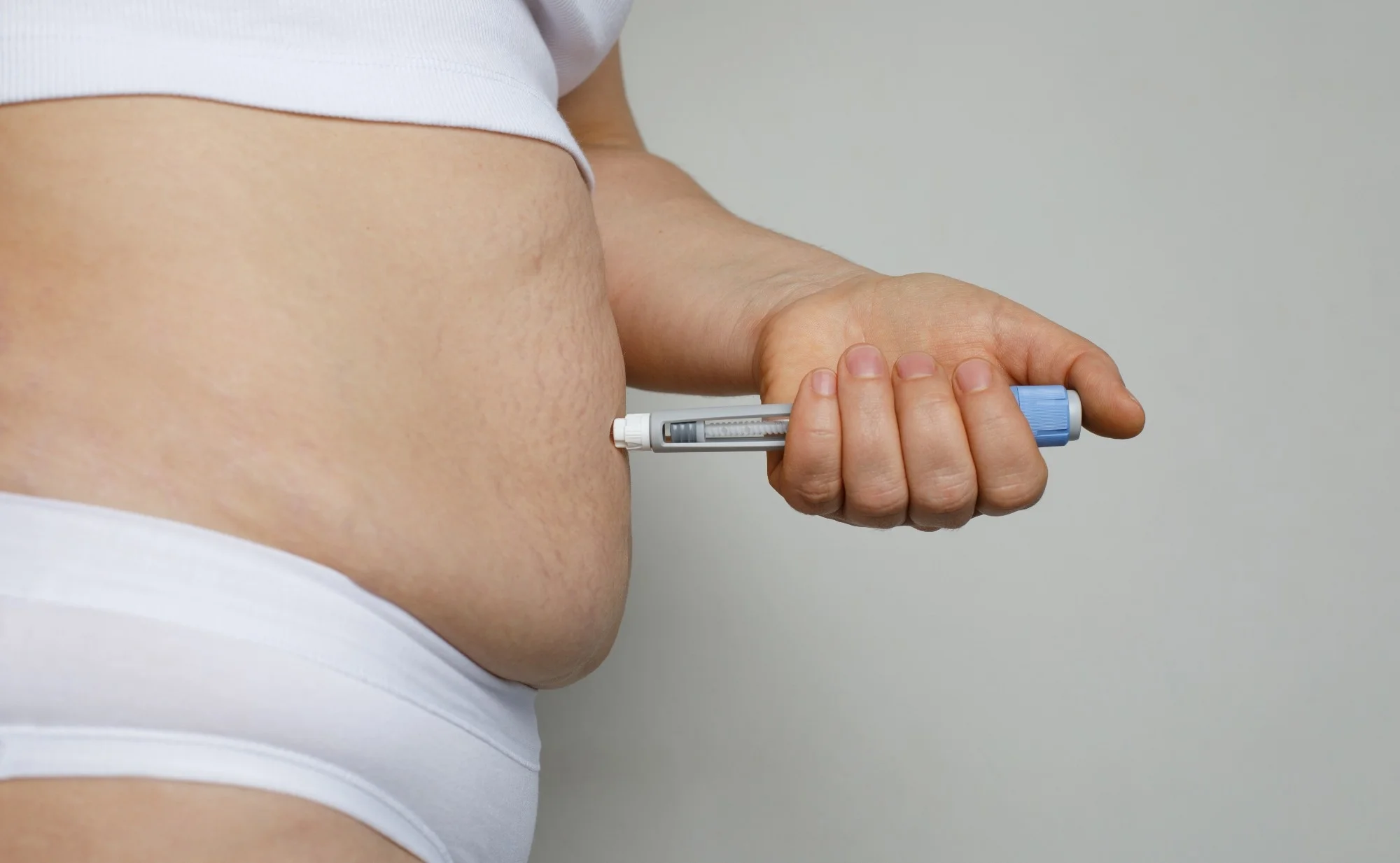
GLP-1 drugs include:
- Tirzepatide (Mounjaro or Zepbound)
- Dulaglutide (Trulicity)
- Exenatide (Byetta)
- Semaglutide tablets (Rybelsus)
These drugs are still relatively new on the market, so scientists do not yet have accurate, confirmed information about how Ozempic and other GLP-1 agonists affect fertility. We cannot say precisely how many women will become pregnant during a specific period of using GLP-1 therapy, but one thing is certain: pregnancies do happen, and there are good assumptions as to why.
However, it is crucial to emphasize that GLP-1 medications are not designed to be a fertility treatment. They are FDA-approved for the treatment of Type 2 Diabetes and sometimes obesity or sleep apnea. Increased fertility is only a side effect, so if you have infertility problems, these are not “magic” drugs that will automatically get you pregnant.
How Ozempic Affect Fertility?
How do Type 2 Diabetes and obesity medications affect fertility? Probably more than you would expect. For example, obesity (BMI over 30) can directly reduce fertility. “Each BMI point above 29 reduces a woman’s fertility by about 5%, which is quite significant,” explains Dr. Mclntosh. “Drugs like Ozempic, which can help with weight loss, can improve the chances of pregnancy.” In men, obesity also affects fertility as it drastically reduces the levels of hormones responsible for sperm production and health.
However, weight loss is not the only factor. Uncontrolled blood sugar levels also make conception difficult, and GLP-1 agonists help control glycemia. In addition, these drugs can affect other aspects that may be crucial when planning a pregnancy, making their effect on fertility more complex, but potentially significant.
These medications can:
- Decrease inflammation
- Regulate testosterone levels
- Encourage ovulation
Ozempic’s Effects on Contraceptives
If you use hormonal contraception, it is crucial to know that GLP-1 drugs can reduce its effectiveness. “Contraceptive pills are absorbed by the body using a similar mechanism to food – they have to be processed to work,” explains Dr. Mclntosh. Ozempic and other GLP-1 agonists slow absorption, meaning the birth control pill may not work fully, and there is a risk of unwanted pregnancy.

The greatest caution is required during the titration period, when the drug dose is increased. During this period, it is recommended to use additional protection, such as a condom or vaginal diaphragm, to be safe.
You might consider switching to another contraceptive option, including:
- IUDs (including hormonal IUDs and the copper IUD)
- Contraceptive Implants (Nexplanon)
- Vaginal Rings (NuvaRing, EluRing, or Annovera)
What Happens If You Get Pregnant on Ozempic?
If you are planning to become pregnant, it is best to stop GLP-1 agonist therapy. And vice versa – if you are currently taking these drugs, it is not recommended to try to get pregnant. “We advise patients who can become pregnant to use reliable contraception while on these drugs,” says Dr. Mclntosh. “It is best to take a break between the therapeutic protocol and contraception, as we still do not know the long-term consequences for pregnant women and the fetus.”
One early study found that using these drugs in the first trimester did not harm fetal development, which is encouraging. However, the study included only 168 pregnant women, so more scientific studies and clinical trials in humans are needed to conclusively determine whether GLP-1 agonists are safe during pregnancy.
If you become pregnant while using GLP-1 medications, your gynaecologist will likely recommend that you stop using them to make your pregnancy as healthy and peaceful as possible.
Your doctor may suggest other alternative drugs or strategies that are safe during pregnancy, instead of GLP-1 therapy. “The decision whether to continue or stop therapy should be made together with the doctor, with an assessment of all risks and benefits,” says Dr. Mclntosh. “Your health is crucial to a safe pregnancy, so it’s important that the decision is individualized and tailored to your needs.
Bottom Line
Ozempic and other GLP-1 drugs can help patients maintain a healthy BMI and better control chronic diseases. If you are planning a pregnancy, these drugs can be helpful, but it is best to use them to prepare the body for the fetus, stopping the treatment protocol before conception. If pregnancy is not your goal, consult your doctor about the most reliable alternative methods of contraception while using GLP-1 drugs.