

Key Takeaways
- Patches containing GLP-1 drugs are increasingly being promoted via social media, with promises that they can reduce weight similarly to Ozempic.
- However, there is currently no GLP-1 gel in the form of a transdermal patch officially approved by the U.S Food and Drug Administration (FDA).
- Scientists emphasize that there is no scientific evidence supporting the safety or effectiveness of these products. In addition, it has not been shown that the active ingredients from such patches can successfully enter the bloodstream through the skin.
Influencers began promoting a new alternative to current weight-loss therapies, known as GLP-1 patches, on social networks. Advertisements often claim they can provide similar weight-loss effects to Ozempic, without the need for injections or a prescription.
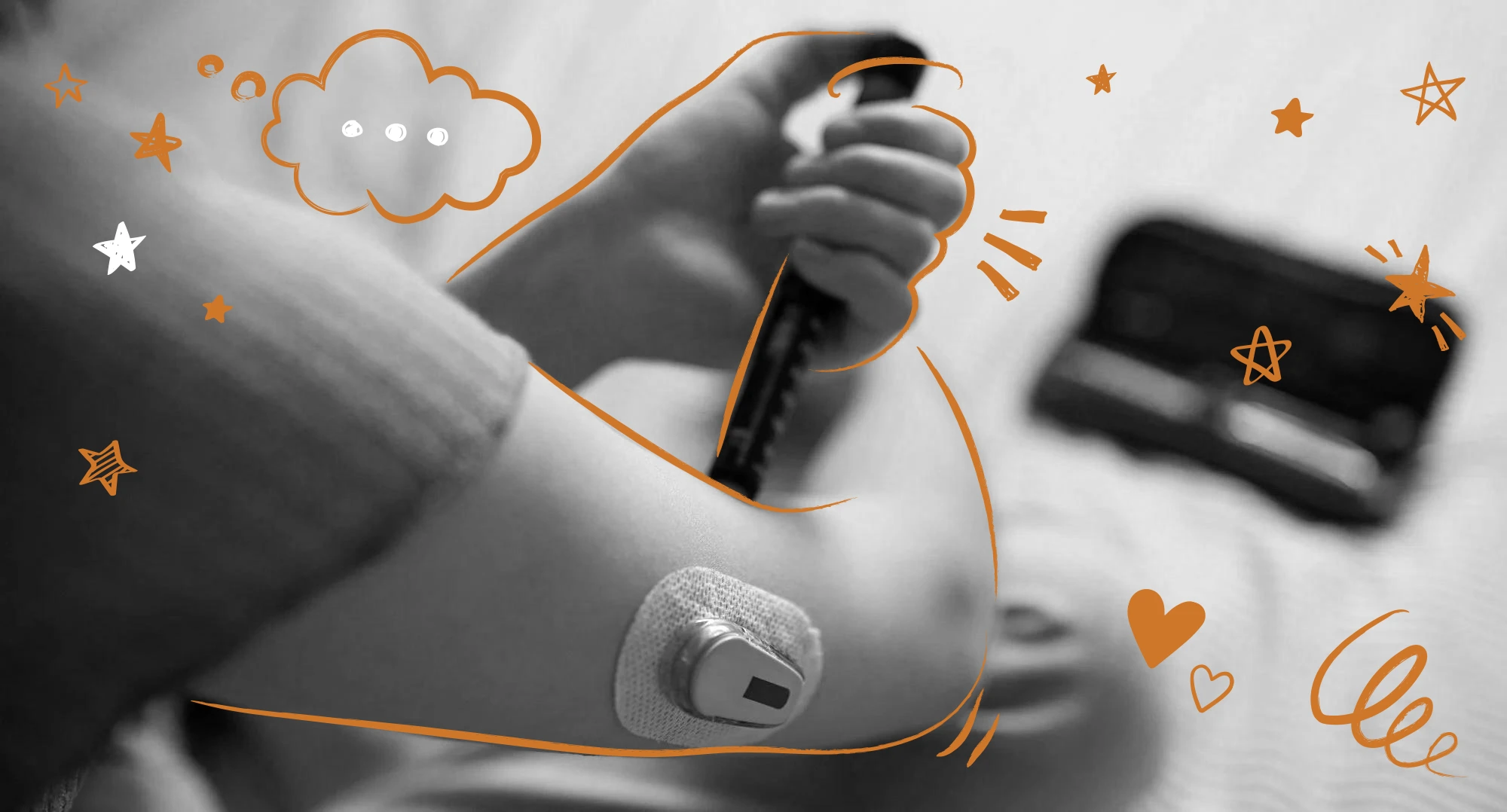
In a viral TikTok video that has garnered around 5 million views, one user explained why she chose this option. She started by saying that her health insurance did not cover Ozempic, so she began looking for a more affordable option.
Although she was initially skeptical about this alternative’s effectiveness, she later reported decreased appetite and reduced desire for food.
In an additional video, with three million views, she showed her therapeutic progress over several weeks. In the video, she claimed the stomach’s girth was gradually decreasing week by week.
According to Jody Dushay, an endocrinologist at Beth Israel Deaconess Medical Center and a lecturer at Harvard Medical School, there is currently no U.S.-approved weight-loss patch. Food and Drug Administration (FDA), which uses the same mechanism of action as popular injectable GLP-1 drugs such as Ozempic, Wegovy, Zepbound, and Mounjaro.
As Dr. Dusej explains, some patches claim to contain ingredients that can stimulate the body’s natural production of the GLP-1 hormone. However, there is no scientific evidence to confirm their credibility or effectiveness.
What Are GLP-1 Patches?
GLP-1 patches, sold online and sometimes with catchy names like “Ozempatch,” are promoted as products that can supposedly help with weight loss, reduce hunger, and boost energy levels.
Their price ranges from $15 to $30 per month, which is significantly less than GLP-1 injections, which, without insurance, can reach about $1,000 per month, as with the drug Ozempic.
Due to their lower price and simple application, these patches are presented as a more accessible and comfortable option that does not require a doctor’s prescription. The composition of such products can vary, but they often contain the following substances:
- Barber
- Cinnamon Extract
- Vitamin B complex
- Mineral Chromium
- Amino acid L-Glutamine
However, according to endocrinologist Jody Dushay, there is no reliable scientific evidence supporting the effectiveness of the active ingredients in treating obesity. In contrast, drugs like Ozempic mimic the natural hormone GLP-1 (glucagon-like peptide-1), which helps regulate blood sugar levels, appetite, and energy metabolism.
How Are GLP-1 Patches Supposed to Work?
For certain therapies, transdermal patches can be a practical and effective option. U.S. The Food and Drug Administration has approved such symptoms for a variety of purposes, including contraception, smoking cessation assistance, and pain management.
However, this alternative is not suitable for all types of drugs. For the patch to be effective, the active substance must be small enough to enter the bloodstream through the skin. According to Melanie Jay, a professor and obesity researcher at New York University Grossman School of Medicine, many drugs do not have such properties.
She emphasizes that the GLP-1 molecules in therapy cannot cross the skin barrier on their own. This explains why patches, even if they contained drugs like Ozempic, could not deliver the drug into the bloodstream as injectable GLP-1 therapies do.
Adam Guiden, associate professor and deputy director of the weight management clinic at the University of Colorado School of Medicine in Aurora, noted that, so far, there is no research that officially confirms GLP-1 patches are effective.
He adds that he has never seen published studies examining the absorption of these preparations through the skin; all available research deals only with injectable therapies.
Additionally, Gilden serves as a medical reviewer for Everyday Health.
Can GLP-1 Patches Help With Weight Loss or Appetite Suppression?
Most of the ingredients in GLP-1 patches available online, other than Berberine, have no proven effects on weight loss, Jay explains. Scientific research shows that Berberine can lead to an average weight loss of about 4.5 pounds, which is considered insufficient to have a real impact on health, notes Gilden. Jay adds that there is no real evidence that this preparation can be effectively absorbed through the patch into the bloodstream.
Should You Try GLP-1 Patches?
Jay cautions that there is no indication for the use of GLP-1 patches as their benefits have not been proven. Since they are not FDA-approved, no one can know what ingredients they contain or what risks they pose.
“Even patches that are FDA-approved and properly distribute medication into the bloodstream can cause skin irritation,” adds Jay.
Dushay stresses that these patches have no benefit. “I wouldn’t recommend them to any patient,” she says. “Anyone interested in GLP-1 therapy to treat diabetes or obesity should use the prescribed therapy, not the patch as a substitute.”