

Women’s health encompasses much more than just physical well-being; it is a holistic concept that integrates physical, mental, hormonal, and emotional health. Every stage of a woman’s life brings unique challenges, changes, and needs, from adolescence through menopause and beyond. Understanding these aspects and adopting a proactive approach can empower women to live healthier, more fulfilling lives.
The Importance of a Holistic Approach
Traditionally, women’s health was viewed primarily through the lens of reproductive wellness. While reproductive health is an important component, true wellness requires a broader perspective. Holistic women’s health includes:
-
Physical health – maintaining strong bones, muscles, and cardiovascular fitness
-
Hormonal balance – managing cycles, fertility, and menopause transitions
-
Mental and emotional health – addressing stress, anxiety, and self-image
-
Nutrition and lifestyle – adopting habits that support energy, immunity, and long-term wellness
A balanced approach ensures that women are cared for at every stage, not just during reproductive years.
Key Stages of Women’s Health
Adolescence and Early Adulthood
The teenage years and early adulthood are critical for establishing lifelong habits. Proper nutrition, exercise, and sleep support healthy growth, bone development, and hormonal balance. Education on menstrual health, contraception, and mental well-being is vital. Encouraging self-awareness and body positivity during this period helps reduce future health issues and boosts confidence.

Reproductive Years
During reproductive years, women face unique health considerations. Menstrual cycles, fertility, contraception, and pregnancy require both medical guidance and lifestyle adjustments. Regular gynecological check-ups, Pap smears, and breast exams are key preventive measures. Additionally, maintaining a balanced diet, regular physical activity, and stress management improves reproductive and overall health.
Pregnancy and postpartum periods also demand focused care. Nutritional support, prenatal vitamins, and medical monitoring ensure both maternal and fetal health. Postpartum, women often experience hormonal changes, fatigue, and emotional fluctuations, which must be addressed with support, rest, and proper care.
Perimenopause and Menopause
As women approach their 40s and 50s, hormonal changes become more pronounced. Menopause marks the end of natural fertility and brings a reduction in estrogen, which can affect bone density, cardiovascular health, and mood. Symptoms may include hot flashes, sleep disturbances, weight changes, and emotional fluctuations.
Healthy habits during this stage are crucial. Strength training and weight-bearing exercises help maintain bone density, while cardiovascular workouts support heart health. Nutrition rich in calcium, vitamin D, and omega-3 fatty acids becomes increasingly important. Mental health support, mindfulness practices, and social connection are also essential to navigate this transition effectively.
Post-Menopause
Post-menopause, women remain at risk for conditions such as osteoporosis, heart disease, and metabolic changes. Preventive care and regular screenings are critical. Maintaining a physically active lifestyle, a nutrient-dense diet, and social engagement promotes quality of life and longevity. Mental health remains equally important, as isolation and stress can negatively impact overall well-being.
Nutrition and Women’s Health
Nutrition is a cornerstone of women’s health throughout life. Balanced diets not only provide energy but also regulate hormones, maintain bone strength, and support mental clarity. Key nutrition considerations include:
-
Calcium and vitamin D – critical for bone health, especially during and after menopause
-
Iron – supports energy levels, particularly during menstruation
-
Folate and other B vitamins – essential during reproductive years and pregnancy
-
Omega-3 fatty acids – support cardiovascular and brain health
-
Antioxidant-rich foods – help combat inflammation and oxidative stress
A diet rich in whole foods, lean proteins, vegetables, fruits, and whole grains, combined with proper hydration, provides the foundation for long-term health.
Physical Activity and Fitness
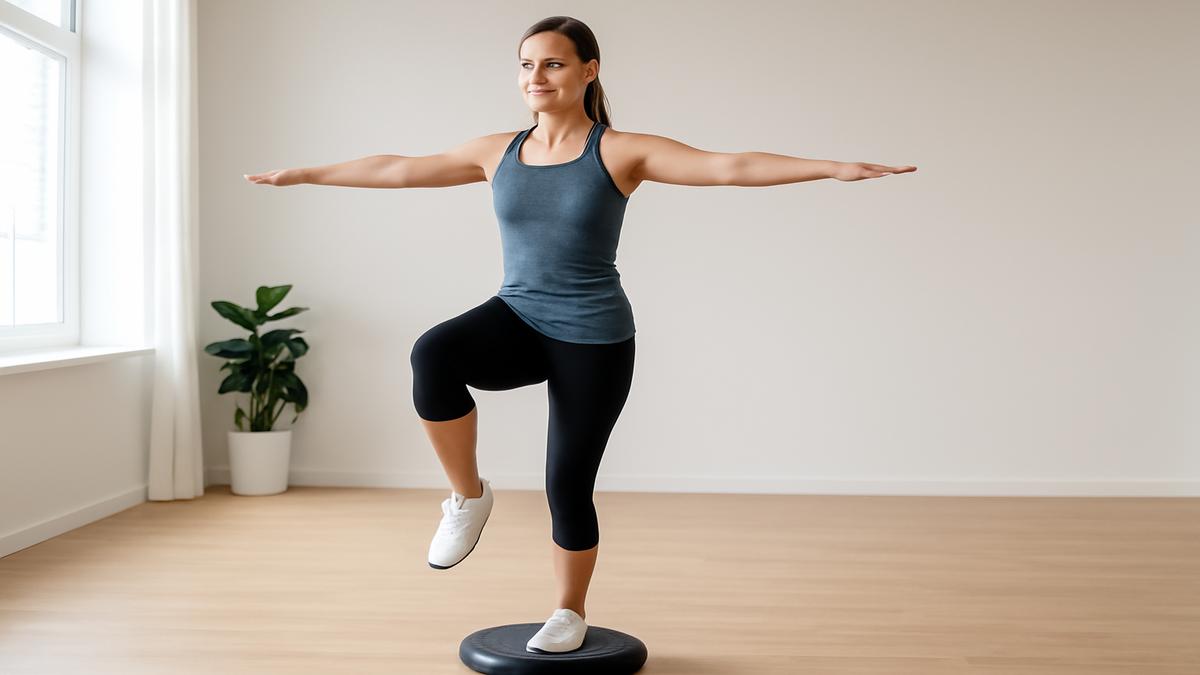
Exercise plays a pivotal role in women’s health. It not only strengthens the heart and muscles but also enhances mood, supports hormonal balance, and improves sleep. A well-rounded fitness routine includes:
-
Strength training – promotes muscle mass, joint health, and bone density
-
Cardiovascular exercise – improves heart and lung function
-
Flexibility and mobility – reduces stiffness and risk of injury
-
Mind-body practices – yoga, Pilates, or tai chi enhance both physical and mental wellness
Even moderate daily activity, such as walking or stretching, can have profound long-term benefits.
Mental Health and Emotional Well-Being
Women are more likely than men to experience anxiety, depression, and stress due to biological, social, and environmental factors. Supporting mental health is essential to overall wellness. Strategies include:
-
Regular physical activity, which releases endorphins and reduces stress
-
Mindfulness and meditation practices
-
Healthy sleep habits
-
Seeking therapy or counseling when needed
-
Building supportive social connections
Emotional self-care is not a luxury — it is a necessary component of holistic health.
Preventive Care and Regular Screenings
Preventive care is key to detecting issues early and maintaining optimal health. Important screenings and check-ups include:
-
Pap smears – for cervical cancer detection
-
Mammograms – for breast cancer detection
-
Bone density scans – to monitor for osteoporosis
-
Blood pressure and cholesterol checks – for cardiovascular health
-
Blood sugar tests – to screen for diabetes
Routine visits with healthcare providers allow for personalized guidance on nutrition, exercise, hormonal health, and lifestyle adjustments.
The Role of Self-Care
Self-care is a critical but often overlooked aspect of women’s health. It encompasses intentional activities that restore energy, improve emotional resilience, and support well-being. Examples include:
-
Taking time for rest and relaxation
-
Engaging in hobbies and creative outlets
-
Practicing mindfulness or meditation
-
Prioritizing social connections
-
Seeking professional support when needed
Incorporating self-care practices regularly improves mental, emotional, and physical health.
Empowerment Through Knowledge
Knowledge is power. Understanding your body, recognizing changes, and knowing when to seek medical guidance is essential. Women who are proactive in learning about their health can make informed decisions, advocate for themselves, and improve outcomes at every stage of life.
Final Thoughts
Women’s health is a dynamic, multi-dimensional journey. It requires attention to physical fitness, nutrition, mental health, hormonal balance, preventive care, and self-care. By embracing a holistic approach and taking proactive steps, women can not only prevent disease but thrive with vitality, confidence, and resilience at every stage of life.
Health is not a destination — it is a lifelong practice. Empowering women to understand, nurture, and care for themselves ensures stronger, healthier, and happier lives, today and into the future.