

Drugs that act through the GLP-1 mechanism have changed the approach to weight loss in the last few years. Substances such as Semaglutide and Tirezepatide, known under the commercial names Ozempic, Wegovy, Mounjaro, and Zepbound, were originally used mainly in the treatment of diabetes.
However, they quickly became very popular for weight control, changing perceptions of weight loss in the United States.
A November 2025 survey by the Kaiser Family Foundation found that one in eight American adults had already used a GLP-1 drug – either for diabetes, weight loss, or other health reasons.
Further growth in their use is expected, especially after Weogovy becomes available in tablet form, which will facilitate access to therapy. Because they allow a loss of about 15% to 20% of body mass, these drugs are considered among the most effective non-surgical methods for treating obesity.
GLP-1, or glucagon-like peptide-1, is a natural hormone produced in the gut that helps regulate blood sugar and hunger. It stimulates insulin secretion when glucose levels rise and slows digestion, which is why satiety is achieved faster and lasts longer.
Modern GLP-1 drugs work by further strengthening the body’s natural mechanisms, thereby improving blood sugar regulation and leading to significant weight loss in many people.
However, as the results become visible, new questions arise: what happens after reaching the desired weight? And what to do when weight loss suddenly slows or stagnates, despite the therapy still being carried out?
From the point of view of a doctor dealing with obesity, it is clear how powerful this therapy can be in the daily life of patients. However, it is equally important to emphasize that no drug, including GLP-1, can replace the basic habits that form the foundation of health – a balanced diet, physical activity, quality sleep, and physical stability.
These elements help preserve muscles and bones, prevent weight regain, and support a healthy heart and metabolism.
The conclusion is clear: there is no universal solution. Any approach to weight loss and maintaining health must be tailored to the patient’s individual needs.
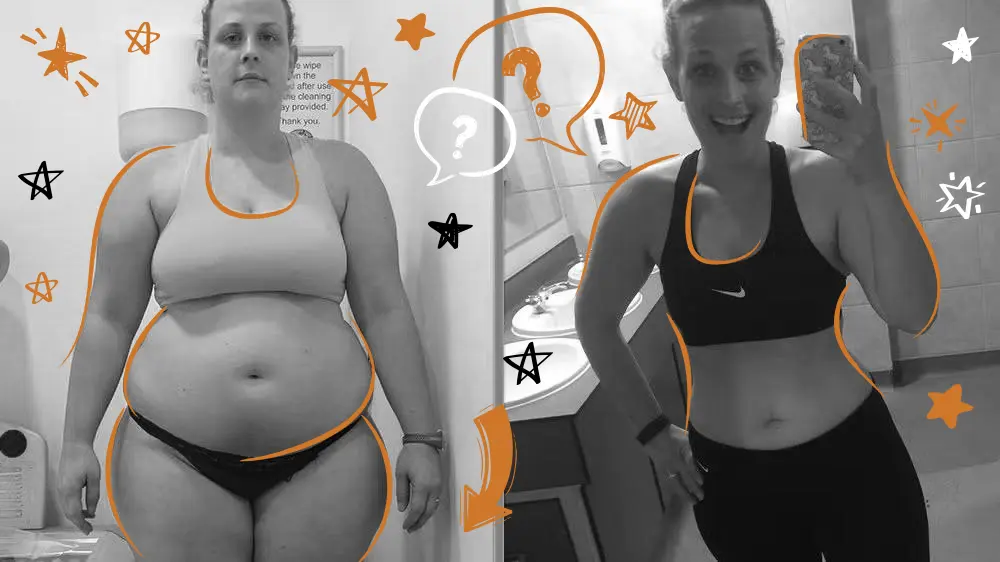
How the Body Responds to Weight Loss
According to the results from 2023, more than 40% of American adults suffer from obesity. However, for most patients, the problem is not only how to lose weight, but how to maintain the weight gained in the long term.
This pattern has been known for a long time. Decades ago, diet research showed that people often lose weight initially but regain it over time.
A key reason for weight regain is the way the body responds to weight loss. The body tends to return to its previous state, a phenomenon known as metabolic adaptation. During this process, ghrelin, a hunger hormone, is secreted more, while leptin, which sends a satiety signal, decreases.
This is why, after losing weight, there is a stronger feeling of hunger, a smaller feeling of satiety after a meal, and a slower rate of calorie burning than expected. The body actually interprets weight loss as stress, so it slows metabolism and activates energy-saving mechanisms.
Although the body needs less energy, it becomes even more “thrifty” and consumes fewer calories than before, thus promoting weight regain.
When you take into account modern life conditions – the consumption of highly processed foods, large portions, daily stress, and insufficient movement – it is clear why patients, despite their efforts, constantly enter the cycle of weight loss and regain.
Putting GLP-1 Drugs to the Test
The results of clinical studies of GLP-1 drugs confirm the known weight-loss pattern. One of the crucial studies from 2021, called STEP 1, included more than 1,900 adult respondents and significantly contributed to the introduction of these drugs as a standard option in the treatment of obesity.
An additional study from the same year – STEP 4 – provided an important result: participants who discontinued Semaglutide therapy regained nearly two-thirds of their lost body mass within 48 weeks.
On the other hand, those who continued to lose weight. These results show that the problem is not a lack of will or discipline, but powerful biological mechanisms that restore the body to its previous state and maintain its “natural” weight.
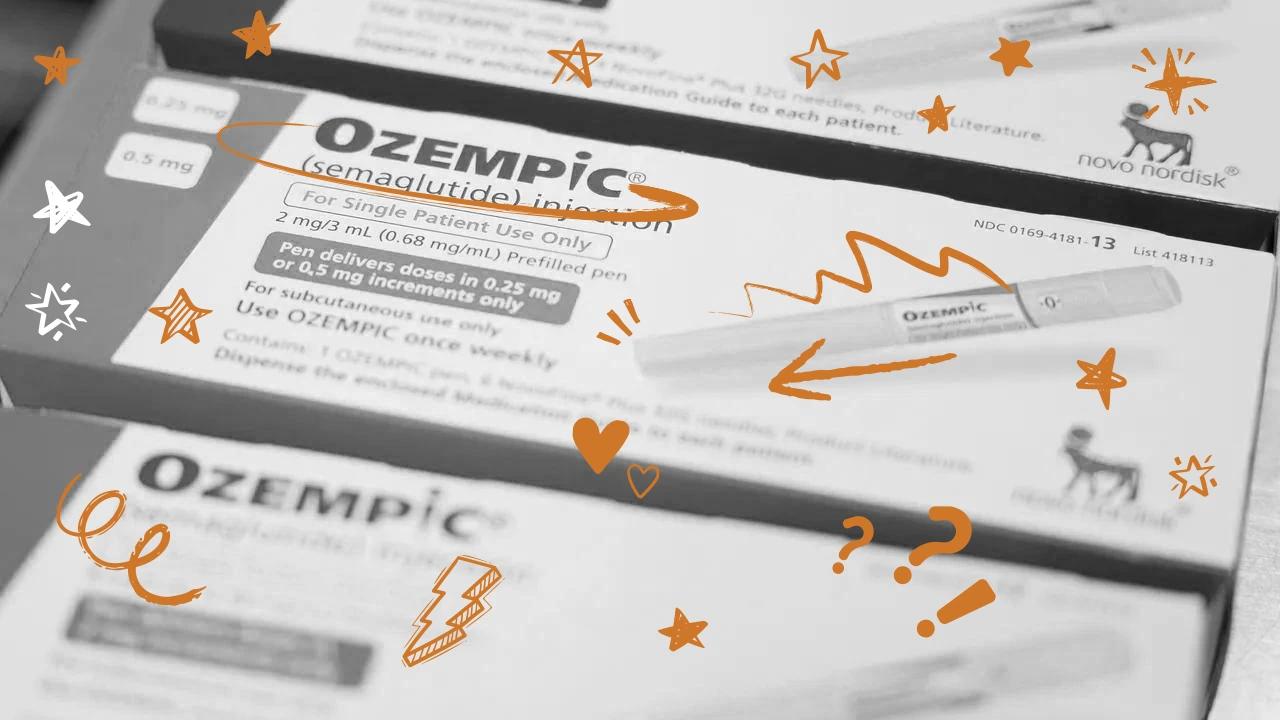
Lower-cost, Longer-term Maintenance
Although obesity is now defined as a chronic condition, modern medical recommendations still do not keep up with the progress made by these highly effective drugs.
For most patients, the most reliable way to maintain the achieved body weight is to continue GLP-1 therapy after reaching the goal. In this case, doctors aim to reduce the dose to the minimum necessary to control appetite and prevent weight gain.
On the other hand, some patients choose to discontinue therapy gradually, usually over a period of several months. In that process, the focus is on strengthening healthy habits – proper nutrition, regular physical activity, and other factors that continue to sustain results and overall health.
When Your Weight Plateaus on a GLP-1 Drug
Stagnation of weight loss, i.e., a plateau, is fully expected even with GLP-1 drug therapy. Clinical trials show the same pattern: at the beginning, during the introduction of the drug and the increase in dose, weight loss is rapid; then it slows, and finally a stabilization phase occurs.
A plateau, usually defined as little or no weight loss over 8-12 weeks, is not always a sign of failure, but rather the body’s way of adjusting the metabolism to a lower weight.
Before concluding that the medicine stops working, doctors check how patients use the therapy – whether it is taken regularly without missed doses and whether it is properly stored. Also, doctors take into account medical conditions that can make weight loss difficult, such as perimenopause or hypothyroidism (reduced thyroid function).
Another crucial factor is whether the patient is using drugs that may contribute to weight gain or whether an approved GLP-1 drug is being used compared to combination or uncontrolled formulations, whose efficacy and quality can be unpredictable.
Balancing Weight Loss with Bone Health
To prevent weight regain, it’s helpful to plan meals around lean protein and avoid hidden calories, such as snacks, sugary drinks, and alcohol. When using GLP-1 drugs, the emphasis shifts from strict calorie reduction to nutritional quality.
An ideal diet includes vegetables, lean proteins, and whole grains, along with plenty of fluids, as these drugs not only reduce appetite but also reduce thirst.
Regular physical activity, including strength training, increasing training intensity, or a combination of both, is recommended. Weight loss, regardless of the method, involves the reduction of fat tissue, as well as some muscle and bone mass.

Clinical trials of GLP-1 drugs show that adipose tissue loss is dominant, but muscle and bone loss remain crucial, as they affect function, fracture risks, and body weight and metabolism.
Losing weight reduces stress on bones, which in turn lowers bone density and increases the risk of fractures in people such as postmenopausal women and those over 65. As bones adapt their strength to the weight they carry, weight loss can cause a slight decrease in bone strength.
Therefore, it is crucial to include strength training, sufficient protein intake during GLP-1 therapy, and to carefully monitor patients at high risk of fracture.
New-generation therapies that combine GLP-1 drugs with other peptides are being actively investigated to further protect muscle and bone mass. Patients who experience a plateau during GLP-1 therapy can talk to their doctor about possibly adjusting the dose, changing the drug, or adding another therapy.
If increasing the dose is not possible because of side effects, doctors may consider other medications and optimizing lifestyle habits – including diet, exercise, and sleep –to support long-term goals of weight maintenance and health.