

Women’s health is a dynamic and deeply interconnected subject that spans physical, mental, emotional, and social well-being. While women share many health concerns with men, biological differences, hormonal fluctuations, and social expectations create unique challenges that require specialized attention. From adolescence through adulthood and into later life, women’s health evolves continuously, making lifelong care and awareness essential.
Understanding women’s health holistically allows women to take proactive control of their bodies, make informed lifestyle choices, and improve overall quality of life. This article explores the core aspects of women’s health and provides practical guidance for long-term wellness.
The Foundations of Women’s Health
At its core, women’s health is about balance. Hormones, metabolism, mental health, and lifestyle habits all interact to influence how women feel and function daily. A disruption in one area—such as chronic stress, poor nutrition, or lack of sleep—can affect the entire system.
Women experience unique life stages, including menstruation, pregnancy, postpartum recovery, perimenopause, and menopause. Each stage introduces specific nutritional needs, physical changes, and emotional adjustments. Recognizing these phases and responding with appropriate care is key to sustaining health and vitality.
Hormonal Health and Its Impact
Hormones act as chemical messengers that regulate many bodily functions, including mood, energy, appetite, and reproductive health. Estrogen and progesterone, in particular, play major roles in women’s bodies.
Common Hormonal Challenges
-
Irregular menstrual cycles
-
Premenstrual syndrome (PMS)
-
Polycystic ovary syndrome (PCOS)
-
Thyroid disorders
-
Menopause-related symptoms
Hormonal imbalances can lead to fatigue, weight changes, mood swings, skin issues, and sleep disturbances. Supporting hormonal health often involves stress reduction, regular exercise, balanced nutrition, and, when necessary, medical intervention.
Nutrition for Optimal Women’s Health
Proper nutrition is one of the most powerful tools for supporting women’s health. Women have distinct nutritional needs due to menstruation, pregnancy, breastfeeding, and aging.
Essential Nutrients for Women
-
Iron: Crucial for oxygen transport and preventing anemia
-
Calcium and Vitamin D: Necessary for bone strength and osteoporosis prevention
-
Folate: Supports reproductive health and fetal development
-
Magnesium: Helps regulate mood, sleep, and muscle function
-
Healthy fats: Support hormone production and brain health
A diet rich in whole foods—vegetables, fruits, lean proteins, whole grains, nuts, and seeds—promotes energy balance and disease prevention. Highly processed foods, excessive sugar, and trans fats should be minimized to protect metabolic and cardiovascular health.
Physical Activity and Strength
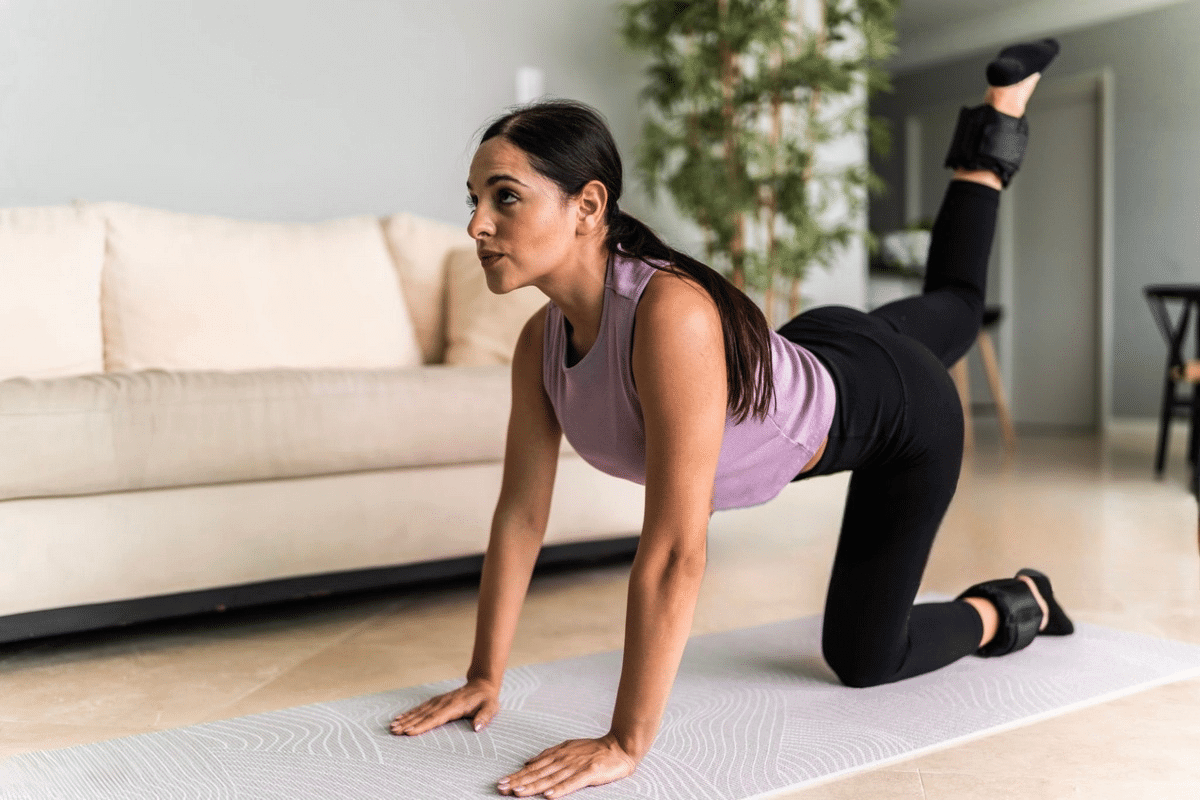
Exercise is essential for maintaining physical and mental well-being. Contrary to outdated myths, strength training is especially important for women, particularly as they age.
Benefits of Regular Exercise
-
Improves heart health and circulation
-
Supports healthy weight management
-
Builds muscle and protects bone density
-
Enhances mood and reduces stress
-
Improves sleep quality and cognitive function
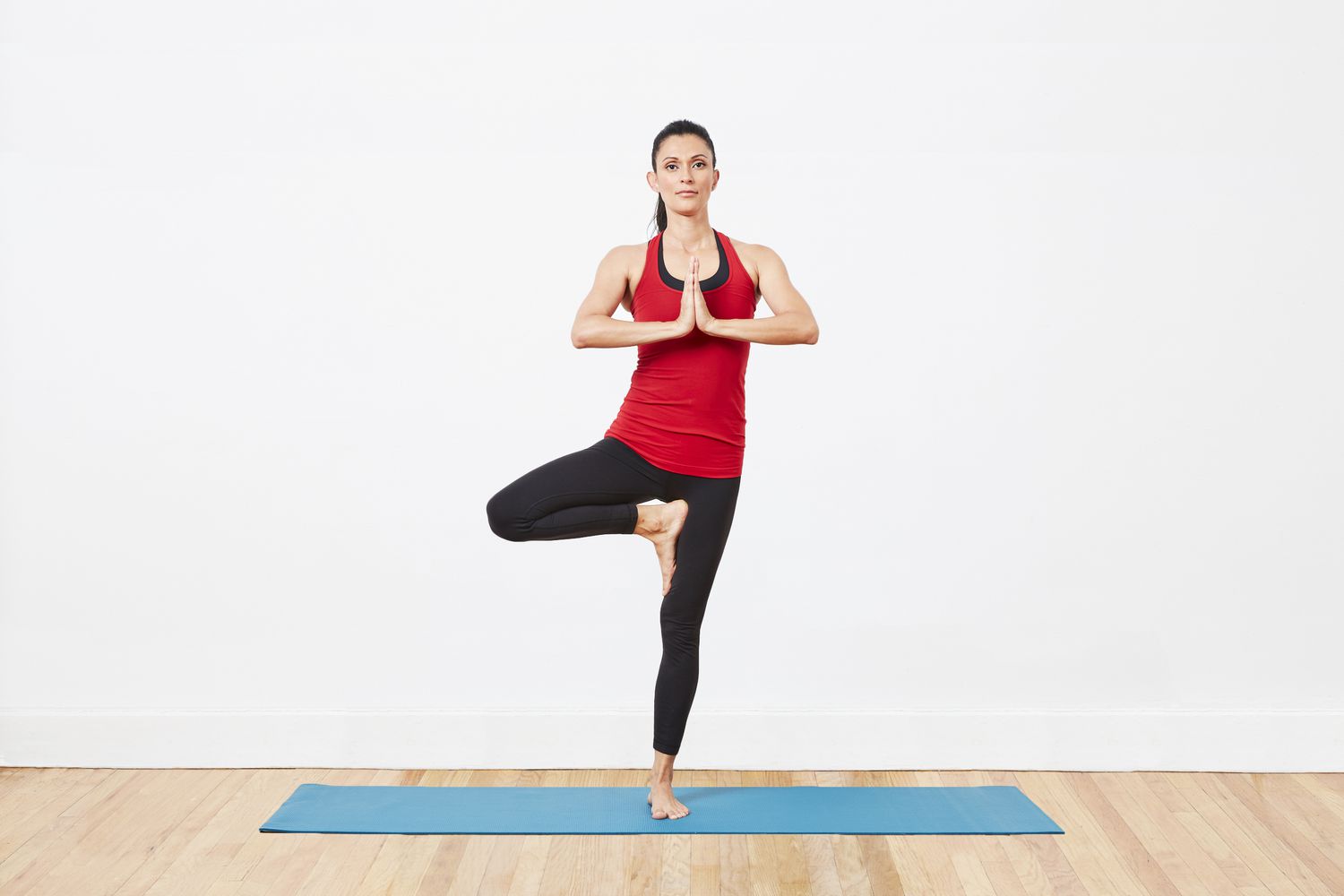
A well-rounded fitness routine includes cardiovascular exercise, resistance training, and flexibility work. Even moderate movement—such as walking or stretching—can have profound health benefits when done consistently.
Mental and Emotional Well-Being
Mental health is an integral component of women’s health. Women are more likely than men to experience anxiety, depression, and stress-related conditions, often due to hormonal changes and societal pressures.
Supporting Mental Health
-
Prioritizing sleep and rest
-
Managing stress through mindfulness or meditation
-
Maintaining social connections
-
Seeking professional support when needed
-
Practicing self-compassion and realistic goal-setting
Addressing emotional well-being is not a sign of weakness; it is a vital part of maintaining resilience and balance in everyday life.
Reproductive and Sexual Health
Reproductive health extends beyond fertility and pregnancy. It includes menstrual health, sexual well-being, contraception, and disease prevention.
Key Areas of Care
-
Regular gynecological exams
-
Understanding menstrual cycle changes
-
Access to safe family planning options
-
Prevention and treatment of sexually transmitted infections
-
Open conversations about sexual health concerns
Education and preventative care empower women to make confident, informed decisions about their reproductive health.
Preventive Care and Early Detection
Preventive healthcare is essential for identifying potential health issues before they become serious. Many chronic illnesses can be managed or prevented through early detection and routine screenings.
Important Screenings for Women
-
Breast exams and mammograms
-
Cervical cancer screenings (Pap tests)
-
Bone density tests
-
Blood pressure and cholesterol checks
-
Diabetes screenings
Preventive care also includes vaccinations, regular dental visits, and eye exams. Consistency in healthcare checkups significantly improves long-term outcomes.
Heart Health: A Critical Focus for Women
Heart disease is one of the leading causes of death among women, yet it is often underestimated. Symptoms may differ from those seen in men, making awareness especially important.
Protecting Cardiovascular Health
-
Eating a heart-healthy diet
-
Staying physically active
-
Managing blood pressure and cholesterol
-
Avoiding smoking
-
Reducing chronic stress
Understanding risk factors and recognizing early symptoms can save lives.
Aging, Menopause, and Vitality
Aging is a natural process, and menopause marks a major transition in women’s lives. While it brings changes, it can also be a time of renewed focus on health and self-care.
Healthy Aging Strategies
-
Strength training to preserve muscle mass
-
Adequate calcium and vitamin D intake
-
Mental stimulation and lifelong learning
-
Regular medical checkups
-
Maintaining an active social life
With proper care, women can remain strong, energetic, and fulfilled well into later years.
Empowerment Through Health Education
Knowledge is one of the most powerful tools in women’s health. When women understand their bodies and health options, they are better equipped to advocate for themselves and make informed decisions.
Empowerment includes asking questions, seeking second opinions, tracking health changes, and staying informed through reliable sources. Self-advocacy leads to better healthcare experiences and outcomes.

Conclusion
Women’s health is not defined by a single factor but by the harmony between body, mind, and lifestyle. Prioritizing nutrition, physical activity, mental wellness, preventive care, and self-education creates a strong foundation for lifelong well-being.
Every stage of life brings new challenges and opportunities. By embracing a holistic approach and making informed choices, women can cultivate resilience, confidence, and vitality—today and for years to come.