
What Is the FDA Doing?
The US Food and Drug Administration (FDA) has sent a request to license holders for drugs from the group of GLP-1 receptor agonists (GLP-1 RAs) to remove from the official documentation statements about the possible risk of suicidal ideation and behavior (SI/B). This regulatory change applies to the preparations Saxenda (Liraglutide), Wegovy (Semaglutide), and Zepbound (Tirzepatide).
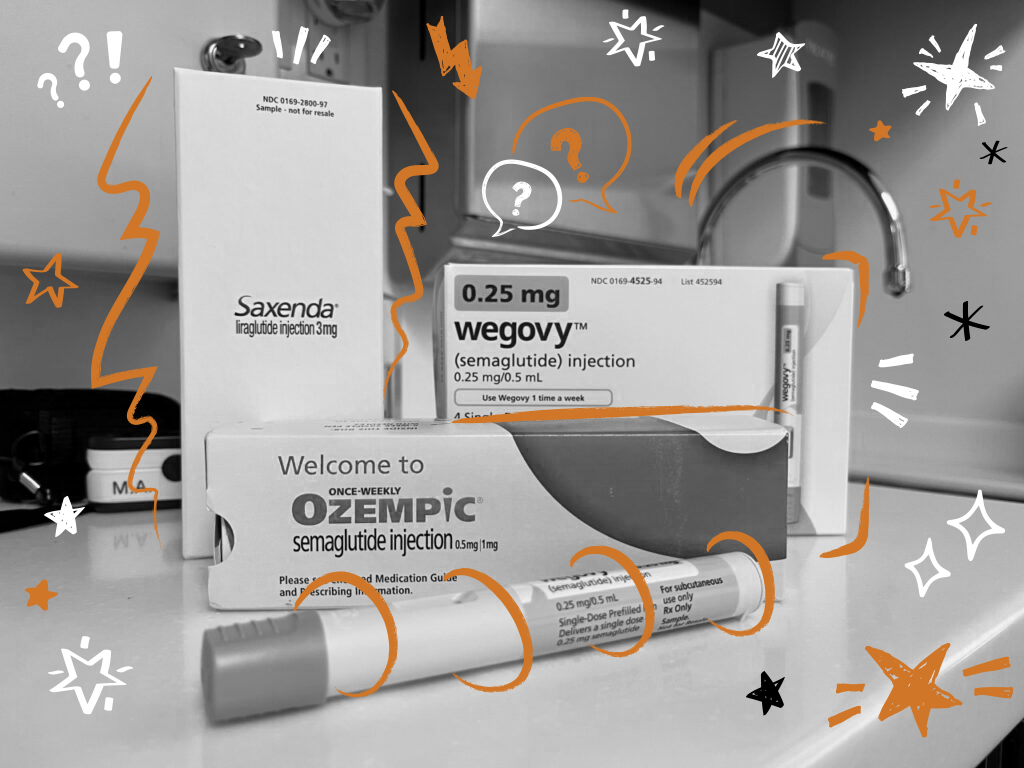
The decision was made after a comprehensive evaluation of available clinical and postmarketing data, in which the FDA did not identify an increased frequency of SI/B events associated with the use of GLP-1 RA therapies. All three drugs are approved for weight loss therapy in people with obesity or overweight. At the same time as initial regulatory approval, their instructions contained warnings about the potential risk of SI/B within the Warnings and Precautions section, in accordance with regulatory standards at the time.
Such statements were based on historical data and reports of adverse events associated with older pharmacological agents used or under investigation for obesity therapy, which is why similar warnings were included in the instructions for other weight-reduction drugs.
In contrast, GLP-1 RA drugs that are approved for glycemic control and prevention of complications in Type 2 Diabetes have so far not included information on the risk of SI/B in the results of scientific studies. With the latest regulatory intervention, the FDA aims to ensure a consistent, uniform, and science-based safety narrative in the instructions for all GLP-1 RA drugs approved for the US market.
What Are GLP-1 RAs?
GLP-1 receptor agonists (GLP-1 RA) form a special group of pharmacological agents that mimic the action of the natural endogenous hormone glucagon-like peptide-1 (GLP-), which is released in the gastrointestinal tract of mammals. This hormone plays a central role in postprandial glycemic regulation and modulates central mechanisms that control appetite and food intake.
The first drug from this therapeutic class received regulatory approval in 2005, when the FDA approved it as an adjuvant therapy to improve glycemic control in patients with Type 2 Diabetes. In the years that followed, the development of this therapeutic area expanded the spectrum of available GLP-1 RA drugs, which are now widely represented in clinical practice.
What Should Patients and Caregivers Do?
After a detailed evaluation of all available data, the US Food and Drug Administration (FDA) concluded that the use of GLP-1 receptor agonists is not associated with an increased risk of suicidal thoughts or behavior. Patients are advised to continue therapy as prescribed and to discuss any questions or concerns with their healthcare provider.
Suicidal ideation includes thinking about suicide, considering options, or making a plan, while suicidal behavior refers to taking specific actions to harm oneself, including attempted or completed suicide. It is necessary for patients to inform a healthcare professional without delay if they notice the appearance of new psychological problems, worsening of depressive symptoms, suicidal thoughts, or unusual changes in mood and behavior.
In situations of acute psychological crisis, the 988 helpline is available by calling or texting, as well as the web platform 988lifeline.org, which provides free, continuous support to people in emotional crisis.
What Should Health Care Professionals Do?
Healthcare professionals should know that the FDA, based on a detailed and comprehensive analysis of the available evidence, has concluded that the use of GLP-1 receptor agonists is not associated with an increased risk of suicidal thoughts and behavior. In accordance with these research results, the FDA has initiated the process of removing existing warnings and precautions related to suicidal ideation and behavior from the prescribing information of GLP-1 RA drugs that contain such statements, including Saxenda, Wegovy, and Zepbound.

Healthcare professionals are expected to be prepared to provide clear and reasoned explanations to patients that this conclusion has been reached after thorough evaluation of all relevant clinical, post-marketing, and safety data.
In situations where people report the presence of suicidal thoughts or behavior, it is necessary to ensure timely referral for assessment and further treatment by a psychiatrist.
What Did FDA Find?
In the information on the prescription of GLP-1 receptor agonists as part of the treatment of obesity and excess body weight, there are warnings regarding the possible risk of suicidal thoughts and behavior. Such statements are not specific to this group of drugs, but also appear in the documentation of other alternative options for reducing body mass, and come from earlier safety reports related to older drugs used or investigated in this therapeutic area.
After reports of suicidal ideation and behavior in some patients on GLP-1 RA therapy were reported during post-marketing surveillance in July 2023, the FDA initiated a more detailed evaluation of the potential association. This assessment included analyses of clinical study results, data from real clinical practice, observational studies, and individual case reports. The findings of the initial phase of this evaluation were published in January 2024 as part of the official FDA Drug Safety Communication.
Analysis of the results of clinical studies of GLP-1 receptor agonists in the initial phase did not indicate an association between the use of these drugs and the occurrence of suicidal thoughts or behavior.
However, due to the extremely small number of such events in individual studies, assessing potential risk was associated with substantial significant statistical uncertainty. To provide a more reliable and accurate assessment, the FDA conducted a comprehensive meta-analysis that included clinical trials from the entire spectrum of GLP-1 RA drug development programs.
This meta-analysis analyzed 91 placebo-controlled trials involving 107,910 subjects, with 60,338 patients receiving GLP-1 RA therapy and 47,572 receiving a placebo. The obtained results did not show the existence of an increased risk of suicidal thoughts or behavior, nor did they indicate an increase in the frequency of other clinically relevant psychiatric adverse events, such as anxiety, depressive disorders, irritability, or psychosis.
In addition, the FDA conducted a retrospective cohort study using data from the FDA Sentinel System administrative health databases to assess the risk of international self-harm in new users of GLP-1 RAs compared with patients who initiated therapy with sodium-glucose cotransporter 2 (SGLT2i) inhibitors, in a population with Type 2 Diabetes Mellitus.
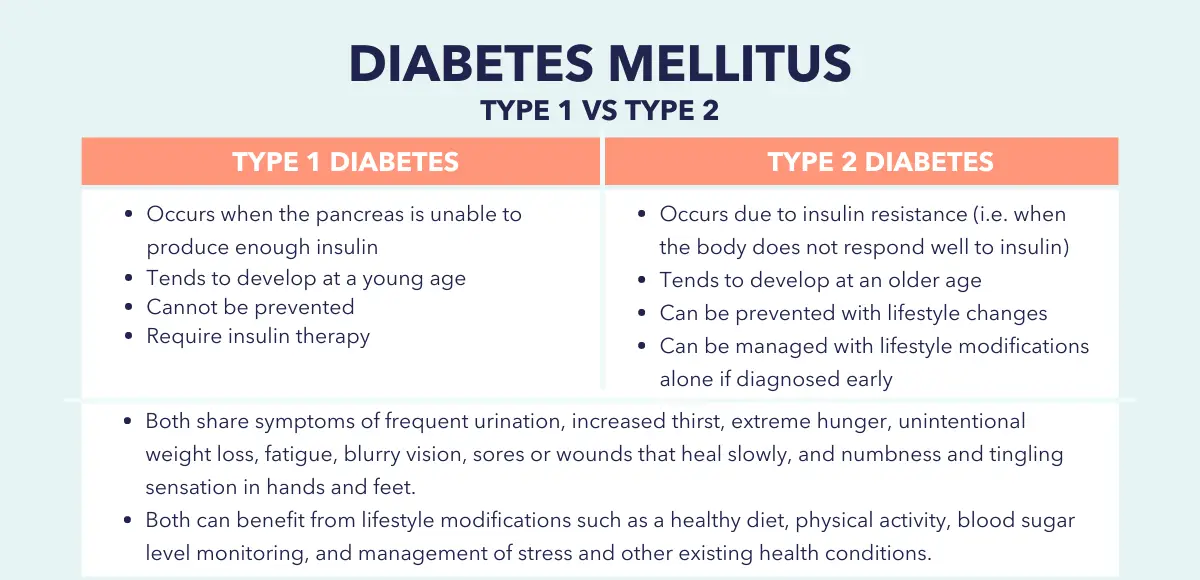
The analysis included more than 2.24 million patients from 10 independent databases collected between October 2015 and September 2023.
After adjusting the results for baseline clinical and demographic differences between groups, no increased risk of deliberate self-harm was identified in users of GLP-1 receptor agonists compared to users of SGLT2 inhibitors. These results remained consistent in the analysis of the subgroup of patients with the simultaneous presence of Type 2 Diabetes and obesity.
The FDA conducted an additional and detailed review of the available scientific literature, including observational studies and pooled analyses, that assessed the association between the use of GLP-1 receptor agonists and the occurrence of suicidal thoughts, behaviors, and related psychiatric outcomes. A comprehensive assessment of the totality of the available evidence showed that there is no basis for concluding a causal relationship between the use of GLP-1 RA therapy and the occurrence of suicidal ideation or behavior.
In accordance with these findings and in order to align the drug safety information with current scientific evidence, the FDA has asked the drug’s marketing authorization holders to remove existing statements about the risk of suicidal thoughts and behavior from the prescribing information of GLP-1 receptor agonists in which such statements continue to appear.
How Do I Report Side Effects from GLP-1 RAs?
To better monitor drug safety, patients and healthcare professionals are advised to report any side effects associated with GLP-1 RA drugs or other therapies. Submissions can be made through the FDA MedWatch program, using the information in the “Contract FDA” box at the bottom of the page.
How Can I Get New Safety Information on Medicines I’m Prescribing or Taking?
To better monitor drug safety, patients and healthcare professionals are advised to report any side effects associated with GLP-1 RA drugs or other therapies. Submissions can be made through the FDA MedWatch program, using the information in the “Contract FDA” box at the bottom of the page.