

If you use GLP-1 agonists as a therapeutic option for the treatment of obesity or diabetes, you may have come across the term “microdosing” – taking smaller amounts of the drug than standard doses. However, the question arises whether such an approach is really safe and justified.
According to Dr. W. Scott Butsch, an obesity specialist, reducing the dose at your own risk or using so-called microdoses is not recommended. He emphasizes that therapies of this type have clearly defined dosage protocols, and deviation from them can reduce effectiveness or lead to unpredictable effects.
What is Microdosing GLP-1s?
The frequent story about microdosing GLP-1 therapy is mostly related to the appearance of magisterial versions of these drugs.
In particular, these formulations imitate already approved preparations with Semaglutide (such as Wegovy and Ozempic) and Tirzepatide (such as Zepbound and Mounjaro) as the main active ingredient, which are registered with the U.S. Food and Drug Administration (FDA).

Master drugs are made by a licensed pharmacist, using active substances similar to those in officially approved therapies. This approach may make sense when standard, available medications do not meet the patient’s specific needs.
For example, it is possible to adapt the pharmaceutical form – make a liquid preparation or a topical form – for people who cannot tolerate certain forms of administration, such as tablets. However, it is essential to keep in mind that these versions are not identical to the original products and that their use requires extra caution.
Microdosing of GLP-1 therapy involves the deliberate use of lower doses than are standardly prescribed. The idea behind it is simple – to reduce consumption so that the therapy lasts longer and thereby reduces financial costs.
For example, a patient prescribed a 15mg dose of Mounjaro may decide to take only a fraction of that dose, spreading the dose over multiple injections.
This trend becomes more pronounced after new, effective weight loss and diabetes medications were introduced to the market in 2021 and 2022. Shortages soon followed, prompting many to extend available supplies of the therapy. In this way, microdosing has gained popularity, although such practice is not part of official therapeutic guidelines.
Dr. Butsch noted that there is a clear difference between microdosing master-prepared GLP-1 drugs and standard dose adjustments. As he explains, individual dose adjustment is a common and justified medical practice that doctors use to meet each patient’s needs.
However, when it comes to the magisterial versions of these drugs, the situation is different. Such preparations are not approved by the U.S. Food and Drug Administration (FDA), meaning they do not undergo any safety, efficacy, or quality control evaluations that registered drugs undergo before being marketed.
Therefore, Dr. Butsch does not advise their use, noting that there is no reliable data to confirm their effectiveness or safety.
Why Do People Microdose GLP-1s?
There are several reasons why patients consider microdosing GLP-1 therapy – the most common being financial pressure, side effects, or poor availability of the drug on the market.
The big problem is the price. Many health insurance policies do not cover these drugs, so patients who want to start treatment with Semaglutide or Tirzepatide often bear the costs themselves.
Although prices were even higher at the beginning, they are now around $500 per month through direct producer programs. However, this is a significant monthly expense for many, suggesting the need to extend therapy time with smaller doses.
Another reason is side effects such as nausea, vomiting, and diarrhea. Some patients assume that a smaller dose of the drug could alleviate these symptoms.
However, according to Dr. Butsch, such an approach can compromise the drug’s stability in the body. If drug levels stop too quickly and then a larger amount is reintroduced, side effects may recur as the body has not been exposed to continuous therapy.
Limited availability and access to these drugs are also a problem. Studies show that people who stop taking GLP-1 agonists often regain the weight they previously lost. “Just like with other drugs, doctors can adjust the dose of GLP-1 therapies based on their effectiveness. Tolerability and the occurrence of side effects,” explains Dr. Butsch. “Such changes are usually agreed upon between the patients and the doctor.”
Potential Risks
Microdosing of the main GLP-1 drugs differs from the situation when the doctor professionally adjusts the dose of the prescribed drug. When the patient himself reduces the dose of the drug from the syringe and vial to extend the duration of the therapy, there is a severe risk of contamination or overdose.
The effectiveness of this approach has not been confirmed, and the safety of microdosing systemic drugs has not yet been investigated. This means that it is not known how the body will react to a smaller dose than the one prescribed by the doctor.
Dr. Butsch further emphasizes that there are no official guidelines for microdosing Semaglutide or Tirzepatide, and that this practice is not supported by the American Diabetes Association, underscoring the potential risks.
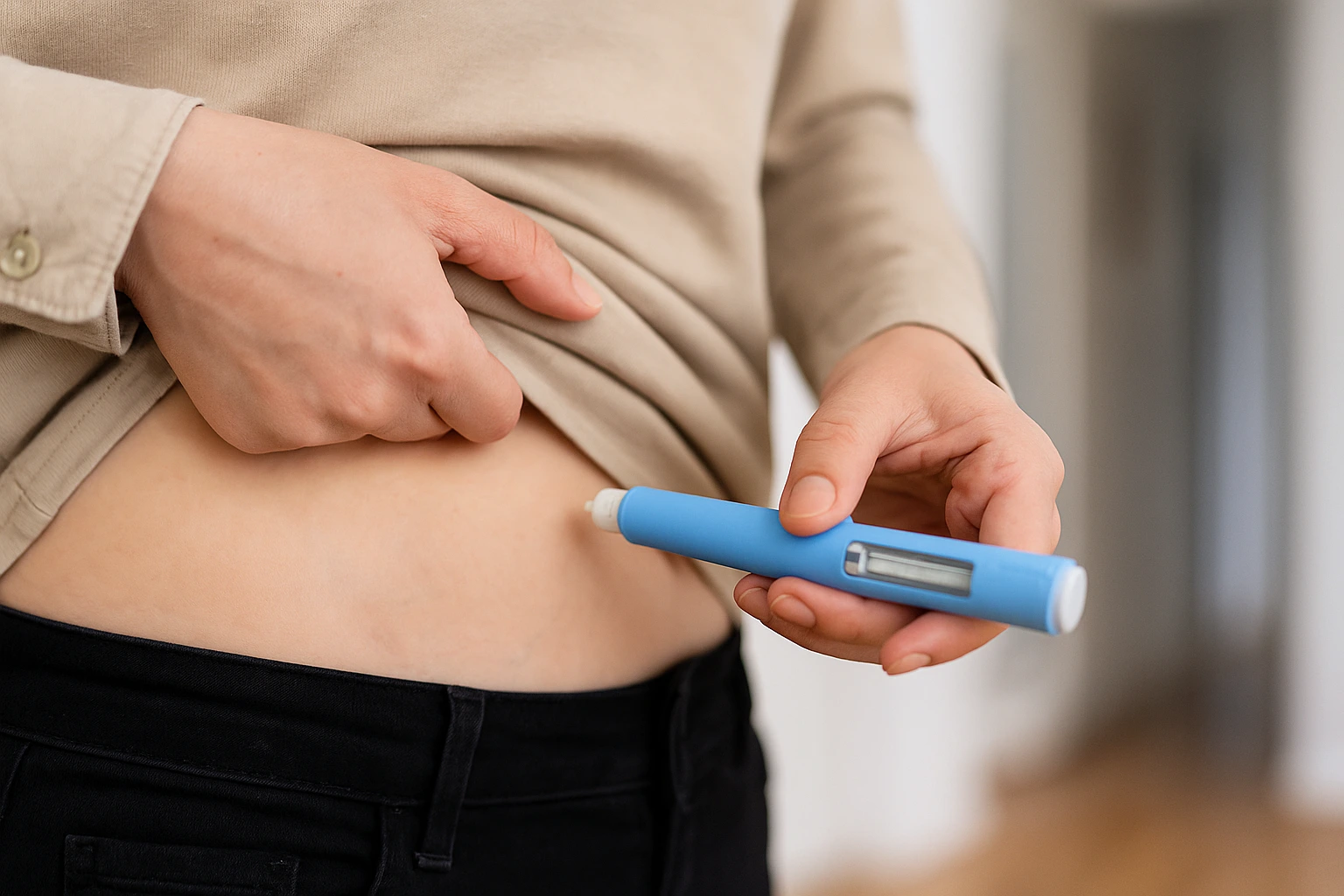
Is Microdosing GLP-1s Safe?
The conclusion is clear: scientific research has not yet shown that microdosing of GLP-1 drugs is safe or beneficial. Although it seems like everyone is talking about microdosing on social media, the dose of a drug should never be reduced on your own without consulting a doctor.
“The doctor can adjust the dosage to suit the specific needs of the individual,” emphasizes Dr. Butsch. “It’s not microdosing – it’s proper and responsible medicine.