

Key Takeaways:
- Ozempic (Semaglutide) is an injectable drug approved for the treatment of Type 2 Diabetes in adults. Due to its prolonged effect, it is applied only once a week.
- After the last dose, Semaglutide remains in the body for five weeks in most patients. However, the length of stay can vary depending on several factors, including the presence or absence of diabetes.
- In case of planning a pregnancy, it is advised to stop the therapy at least two months before trying to conceive, to allow complete elimination of the drug from the body.
Ozempic (Semaglutide) is an injectable therapy indicated for the treatment of Type 2 Diabetes in adults. Unlike certain drugs in the same pharmacological group, which have a shorter duration of action, Ozempic has been developed to have a prolonged effect, allowing it to be used only once a week.
Although it is often not considered how long a certain drug stays in the body, in the case of Semaglutide, that information can be crucial.
Especially if you are planning a pregnancy, as the drug needs to be eliminated before conception, also, if the therapy is discontinued due to adverse reactions, the retention time of the drug in the body can help estimate when to expect the gradual withdrawal.
Therefore, the question arises – how long does Semaglutide remain in the body, and why is it clinically relevant?
How Long Does Ozempic Stay in Your System?
Scientific evaluations show that Ozempic can remain in the body for approximately five weeks after the last received dose. During that period, its concentration gradually decreases, and the therapeutic effects decline accordingly.
The dynamic is conditioned by the half-life of the drug, which is about 7 days. So the body needs one week to eliminate half of the amount present. It is common for about five half-lives to be required for almost complete elimination of a drug.
As Semgalutide is gradually broken down and excreted, its effect on appetite control and blood glucose regulation may weaken. These changes occur gradually, in parallel with the decrease in the drug’s concentration in the body.
Also, it should be noted that Ozempic is approved for the treatment of Type 2 Diabetes in adults. If it is used in other indications in people without diabetes, its excretion rate depends on individual metabolic characteristics.
Can you Flush Ozempic Out of Your System?
There is no way to get Ozempic out of the body quickly or artificially. After administration, Semaglutide binds to albumin, the main plasma protein. This strong attachment enables prolonged action of the drug and explains the once-a-week application.
However, it is not possible to accelerate its excretion, even when the applied dose exceeds the standard dose.
In case of suspected overdose, it is necessary to seek professional medical help immediately. Also, if the therapy is stopped due to adverse reactions, there is no way to speed up their disappearance. The symptoms will gradually decrease only as the drug’s concentration in the body decreases, a process that takes a specific period of time.
Considerations for How Long Ozempic stays in your System
The time Ozempic remains in the body has clinical significance in several circumstances. For example, when planning a pregnancy, it is essential to know when the drug is eliminated.
Also, the retention period of Semaglutide affects how long the side effects can continue even after stopping the therapy, since their withdrawal depends on the gradual reduction of the drug dose.
Stopping Ozempic Before Pregnancy
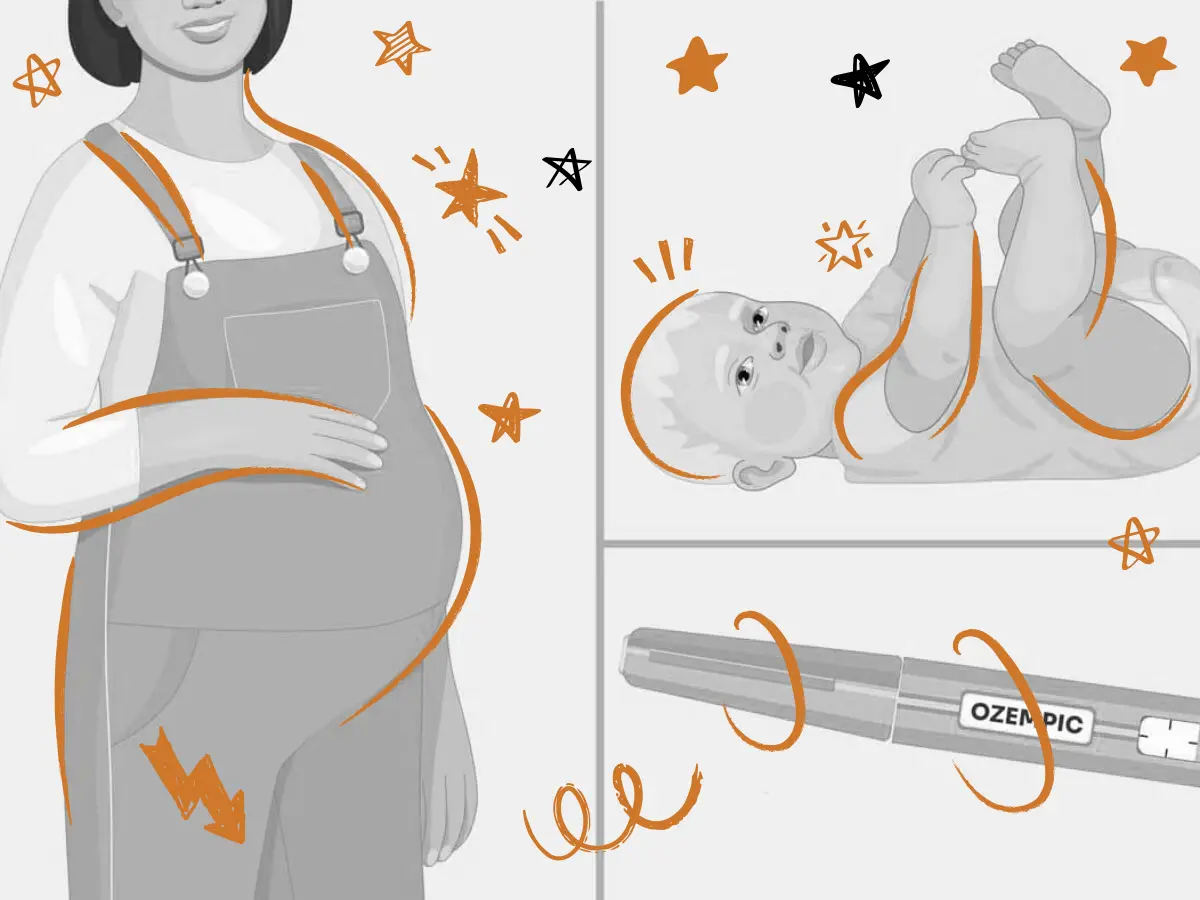
The use of Ozempic during pregnancy has not been sufficiently studied, so not all possible risks are fully known. Animal studies, however, demonstrate a higher risk of pregnancy loss and fetal harm. Because of this fact, Ozempic is usually not recommended for pregnant women.
If you are planning to become pregnant, the doctor will probably recommend that you stop the treatment at least two months before trying to conceive, so that the drug is eliminated from the body. In rare situations, where the potential benefits of Ozempic outweigh the possible risks, the doctor will consider all options and recommendations.
Stopping Ozempic due to Side Effects
Ozempic can cause side effects that make it difficult to tolerate, such as nausea, vomiting, and diarrhea. In such cases, the doctor may recommend stopping the therapy. Because of the drug’s long half-life, side effects may not go away immediately after stopping Ozempic. However, the symptoms will gradually subside as the drug leaves the body. While that’s happening, you can try the following strategies to ease stomach discomfort.
- Choose bland, easy-to-digest foods when you feel nauseous.
- Maintain sufficient fluid intake throughout the day.
- Eat smaller meals more often.
- Reduce the consumption of fatty, spicy, or sweet foods.
Can you Stop Taking Ozempic Cold Turkey?
In general, yes.
Although some drugs can cause withdrawal symptoms or more serious consequences if the drug is stopped suddenly, Ozempic does not usually cause classic withdrawal symptoms. However, some patients may experience noticeable “rebound” effects, such as increased appetite in patients diagnosed with Type 2 Diabetes, and blood sugar levels may increase, especially after eating.
In most cases, a dose reduction is not necessary when stopping Ozempic, but a doctor may recommend it in some situations. Before stopping treatment on your own, it is essential to consult your doctor, as poorly controlled blood sugar levels can increase the risk of developing Diabetes complications.
Frequently Asked Questions
Do You Have to Take Ozempic Forever to Keep Weight Off?
Ozempic is not registered for weight loss. However, if thinning occurs during its application, it is necessary to continue the therapy to maintain the achieved results.
What is the Biggest Side Effect of Ozempic?
Nausea is one of the most common side effects of using Ozempic, especially at the beginning of therapy or after increasing the dose. Therefore, treatment is initiated at a low dose, gradually increased over several months.
For many patients, the feeling of nausea diminishes over time, and symptoms can be alleviated with an adjusted diet and lifestyle changes.
How do you break a Plateau on Ozempic?
Many people lose weight with Ozempic, but results vary and are not the same for all patients. Some patients lose weight faster than others, and weight loss often slows or even stalls. If you notice you’ve reached a plateau, it’s essential to check your dosage, how you’re using the medication, and what dietary and lifestyle changes you’ve made.
If Ozempic therapy does not produce the desired results, the doctor may suggest increasing the dose, switching to a different drug, or adjusting diet and physical activity to support further weight loss.
Is Ozempic Hard on the Body?
For most patients, Ozempic is not considered too harsh on the body when administered as directed by a physician. Like any medicine, it can cause mild side effects in some patients, and more difficult-to-tolerate side effects in others. The most common side effects include nausea, vomiting, diarrhea, or constipation, and in most people these tend to subside gradually. However, some may have difficulty tolerating these symptoms or develop more severe side effects, so close cooperation with a doctor is necessary.
What Organ can Ozempic Damage?
Ozempic do not cause organ damage, but in rare cases, it may affect the function of some organs. For example, pancreatitis (inflammation of the pancreas), gallbladder problems, and gastroparesis (slow stomach emptying) have been reported in some patients. In addition, severe diarrhea or vomiting can lead to dehydration, which can strain the kidneys. If you experience severe or long-lasting symptoms, it is essential to see your doctor immediately.
What is Ozempic Doing to Your Brain?
Ozempic work on parts of the brain that control appetite and satiety. This mechanism of action can help reduce hunger, increase feelings of fullness, and reduce food cravings. Also, drugs from this group can affect brain areas associated with reward, which can reduce the dopamine response that occurs when consuming substances, such as alcohol.
The Bottom Line
Ozempic is a drug registered for the treatment of Type 2 Diabetes that is administered once a week, thanks to its prolonged half-life. After stopping the drug, it takes about five weeks for the body to eliminate the drug, and the side effects should gradually subside during that period.
If you are planning to become pregnant, it is usually advised to stop treatment at least two months before trying to conceive, to reduce the risk to the fetus and pregnancy.