

When people hear the word “fitness,” they often picture crowded gyms, intense workouts, and perfect bodies on social media. But real fitness is much simpler — and far more meaningful. It’s about having the strength and energy to live your life fully. It’s being able to carry groceries without strain, play with your kids, climb stairs comfortably, and feel confident in your own skin. Fitness isn’t about achieving perfection; it’s about improving your quality of life one day at a time.
What Fitness Really Means
True fitness is about function and well-being, not just appearance. A fit body moves smoothly, resists fatigue, and recovers quickly. It supports you rather than limits you. Fitness has several key components:
-
Cardiovascular endurance — how well your heart and lungs support activity
-
Strength — your ability to lift, push, and stabilize your body
-
Mobility and flexibility — how freely your joints move
-
Balance and coordination — how well your body works as a unit
-
Mental resilience — your ability to stay motivated and positive
A balanced routine touches all of these areas — helping you become not just stronger, but healthier and happier as well.
Small Steps Lead to Big Results
One of the biggest barriers to fitness is the belief that you must overhaul your entire lifestyle at once. In reality, the most powerful changes are often the smallest. Walking more. Stretching regularly. Drinking more water. Choosing whole foods more often. Moving your body daily.

These habits don’t seem dramatic, but they compound over time. A 20-minute walk each day becomes improved endurance. Two short strength workouts per week become stronger muscles and better posture. The key is sustainability.
Fitness is not a race — it’s a lifelong journey.
Strength Training: The Core of a Stronger Body
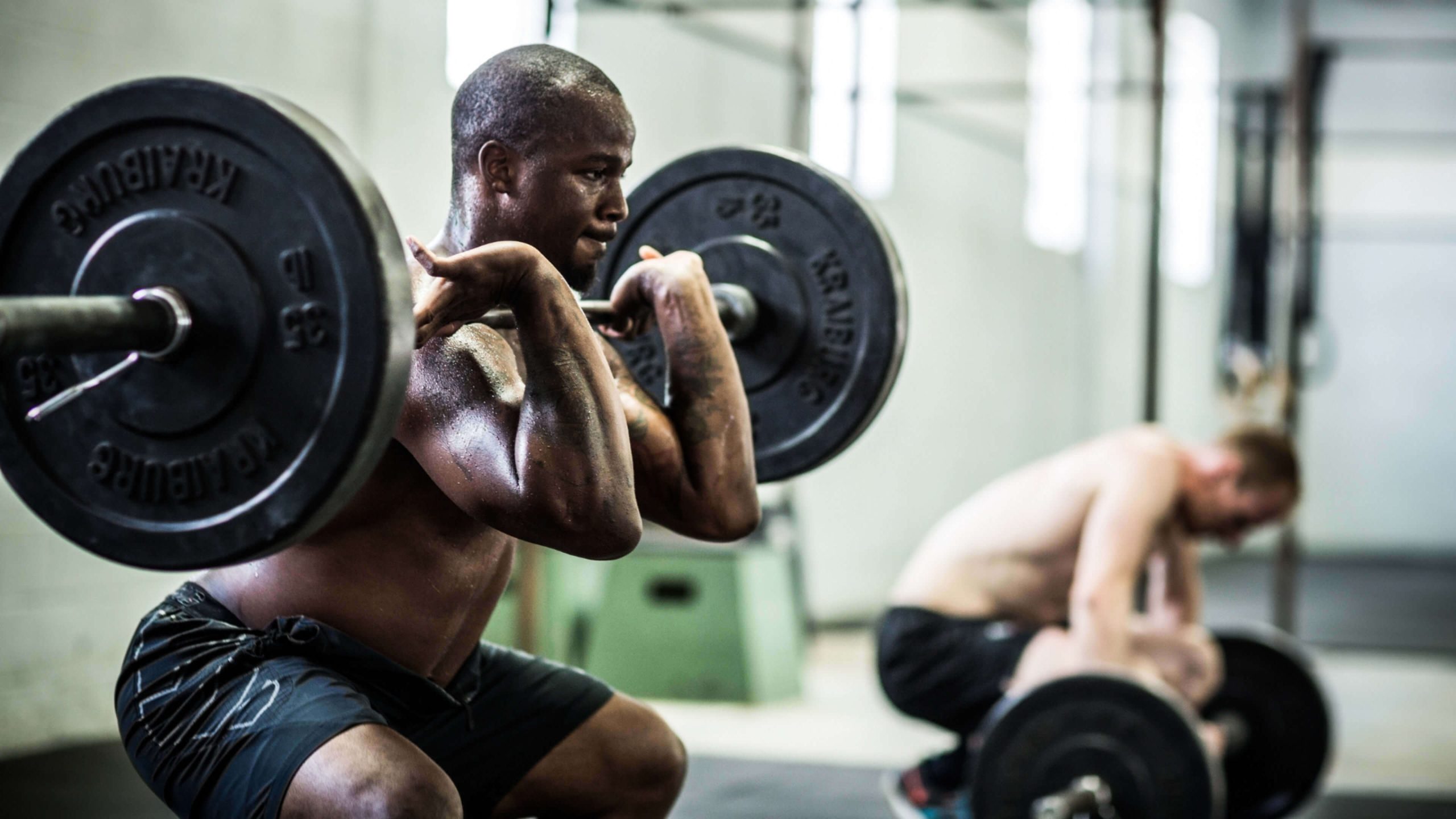
Strength training is one of the most effective tools for improving health and longevity. It helps:
-
Build lean muscle
-
Support joints
-
Improve posture
-
Boost metabolism
-
Reduce injury risk
-
Increase confidence
And you don’t need a gym membership to start. Bodyweight exercises like squats, lunges, push-ups, and glute bridges are incredibly effective. Dumbbells, resistance bands, and kettlebells simply add variety and resistance.
Aim to train major muscle groups two to three times per week. Focus on good form, controlled movement, and gradual progression rather than heavy weights right away.
Your goal isn’t to lift the heaviest — but to move well and feel strong.
Cardiovascular Fitness: Training the Heart
Cardio is essential because it strengthens your most important muscle — your heart. It improves circulation, lung capacity, and endurance, while helping to regulate mood and stress levels.
Great cardio options include:
-
Brisk walking
-
Jogging
-
Cycling
-
Swimming
-
Rowing
-
Dancing
-
Group fitness classes
You don’t need to push your limits daily. Even 150 minutes of moderate activity per week — about 30 minutes five days a week — can significantly improve health.
Find activities you enjoy, not just tolerate. When movement is enjoyable, it becomes a natural part of your routine.
Mobility and Flexibility: Moving Without Pain
Many people overlook mobility until discomfort appears. But maintaining joint mobility and muscle flexibility is essential for long-term health. Mobility work improves range of motion, reduces stiffness, and supports better posture and alignment.
Try incorporating:
-
Stretching
-
Yoga
-
Pilates
-
Dynamic warm-ups
-
Foam rolling
Just 10 minutes a day can make daily movement — like bending, reaching, or turning — feel easier and more natural.
Nutrition: Supporting Your Fitness from the Inside Out
Exercise is only half of the equation. Your body also needs proper fuel. Nutrition affects energy, performance, recovery, and overall health. Instead of restrictive dieting, focus on balanced, mindful eating.
Build meals around:
-
Lean proteins
-
Whole grains
-
Fruits and vegetables
-
Healthy fats
-
Adequate hydration
Nutrition should support your lifestyle — not complicate it. The goal is sustainability, not perfection.
Rest and Recovery: The Unsung Heroes of Progress
Many people assume more exercise equals faster results. But progress happens during recovery — when your body repairs and rebuilds. Without rest, you risk burnout, fatigue, and injury.
Key recovery habits include:
-
Quality sleep
-
Rest days
-
Gentle movement
-
Stress reduction
Aim for 7–9 hours of sleep per night. Listen to your body. Some days it needs intensity — others, it needs rest.
Respecting rest is part of respecting your health.
The Mental Side of Fitness
Fitness doesn’t just change your body — it changes your mind. Exercise boosts mood, reduces anxiety, improves focus, and builds self-discipline. It teaches patience, resilience, and self-trust.
And perhaps most importantly, it reminds you that you are capable of growth.
Overcoming Common Barriers
Everyone faces obstacles on their fitness journey. The key is learning how to move through them.
“I don’t have time.”
Short workouts still count. Even 15–20 minutes helps.
“I’m not fit enough to start.”
Starting is what makes you fit.
“I lose motivation.”
Habits, not motivation, build consistency.
“I feel judged.”
Remember — everyone begins somewhere.
Progress is rarely linear. Some days you’ll feel strong. Others, tired. Keep going anyway.
A Simple Weekly Fitness Blueprint
Here’s a balanced beginner-friendly routine you can adjust to your level:
-
Day 1: Strength training (upper body)
-
Day 2: Light cardio + stretching
-
Day 3: Strength training (lower body)
-
Day 4: Rest or mobility
-
Day 5: Moderate cardio workout
-
Day 6: Full-body functional training
-
Day 7: Rest, yoga, or walking
Focus on consistency over intensity.
Fitness for Every Body
Fitness doesn’t belong to a certain age, shape, or ability level. It belongs to everyone. Whether you are young, older, athletic, or just beginning — movement benefits your body and mind.
You don’t need to be perfect.
You just need to begin — and keep going.
Final Thoughts
Fitness is one of the greatest gifts you can give yourself. It strengthens your body, sharpens your mind, and improves your daily life in countless ways. When you treat fitness as a lifestyle — not a temporary challenge — you create lasting change.
Move daily.
Eat mindfully.
Rest deeply.
Be patient with yourself.
Over time, you’ll discover that the real reward of fitness isn’t just a stronger body — it’s a stronger, more confident, more energized you.