

Healthy eating is no longer about bland meals, strict rules, or sacrificing flavor. Today, healthy recipes are designed to nourish the body while still satisfying the senses. With the right ingredients and simple techniques, it’s possible to create meals that support energy, digestion, and long-term wellness—without feeling restrictive.
This article explores the philosophy behind healthy recipes, essential ingredients to keep on hand, and practical meal ideas you can enjoy every day. Whether you’re cooking for weight management, better health, or simply to feel good, healthy recipes can transform the way you eat.
What Makes a Recipe Truly Healthy?
A healthy recipe is more than just low in calories. True nutrition is about balance, quality, and sustainability. Healthy meals should provide the nutrients your body needs while being enjoyable enough to maintain long-term habits.
Key characteristics of healthy recipes include:
-
Whole, minimally processed ingredients
-
A balance of protein, carbohydrates, and healthy fats
-
Natural sources of fiber, vitamins, and minerals
-
Reasonable portion sizes
-
Simple preparation methods
Healthy eating should support your lifestyle, not complicate it.
Essential Ingredients for Healthy Cooking
Building a kitchen around nutritious staples makes healthy cooking easier and more enjoyable.
Lean Proteins
Protein supports muscle health, metabolism, and satiety. Healthy recipes often include:
-
Chicken breast and turkey
-
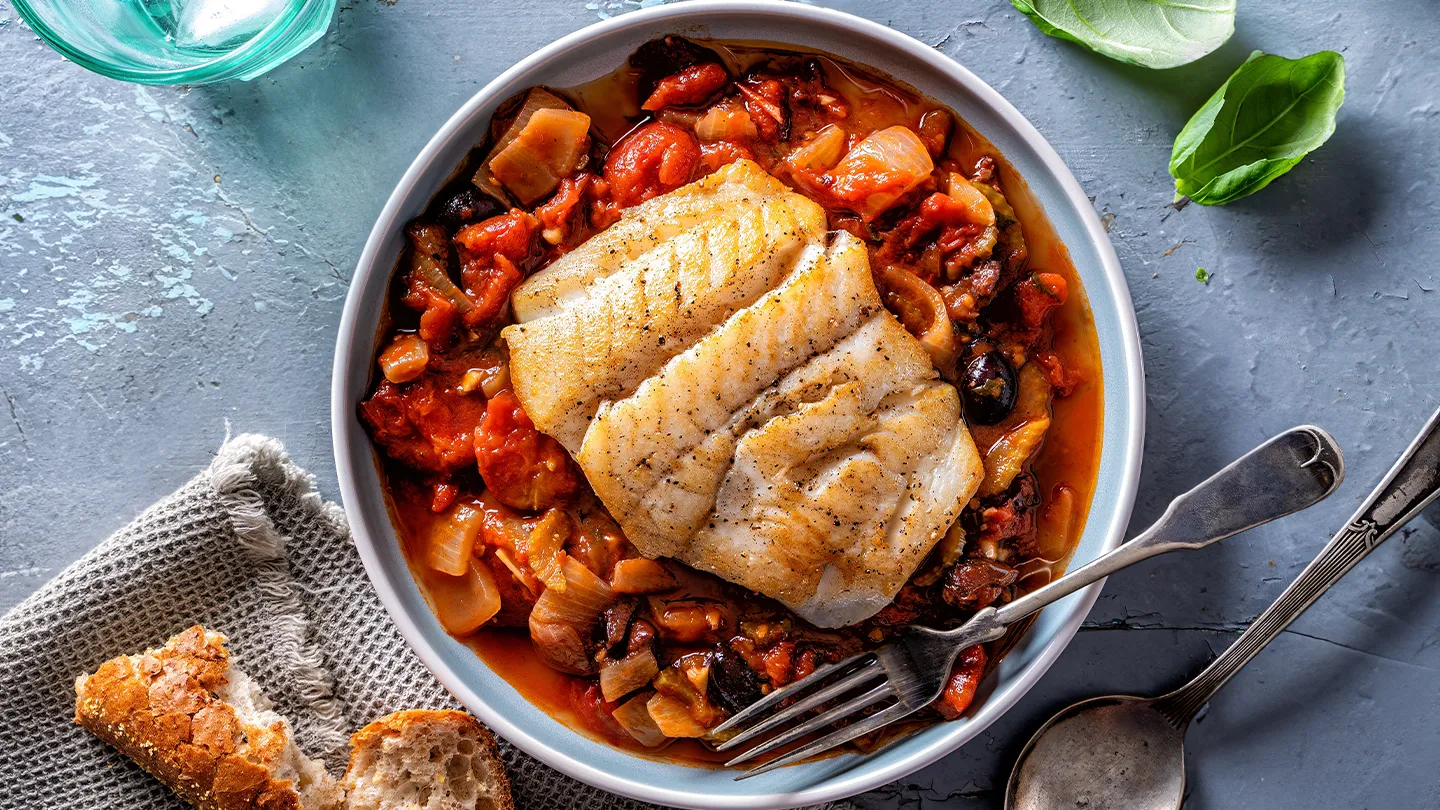
Fish such as salmon, tuna, and sardines
-
Eggs and egg whites
-
Plant-based options like lentils, chickpeas, tofu, and beans
Including protein in every meal helps control hunger and stabilize energy levels.
Complex Carbohydrates
Carbohydrates are a primary energy source when chosen wisely. Healthy recipes favor:
-
Brown rice, quinoa, and oats
-
Sweet potatoes and whole grains
-
Legumes and vegetables
These foods provide fiber and slow-digesting energy, preventing blood sugar spikes.
Healthy Fats
Healthy fats support hormone production, brain health, and nutrient absorption. Common sources include:
-
Olive oil and avocado oil
-
Avocados
-
Nuts and seeds
-
Fatty fish
Moderation is key, but eliminating fats entirely can negatively affect health.
Fruits and Vegetables
Vegetables and fruits are the foundation of healthy recipes. They provide antioxidants, fiber, and essential micronutrients. Aim for a variety of colors to maximize nutritional benefits.
Breakfast: Healthy Recipes to Start the Day Right
Overnight Oats with Berries and Nuts
Overnight oats are simple, nutritious, and perfect for busy mornings. Combine rolled oats with milk or a dairy-free alternative, add berries for antioxidants, and top with nuts for healthy fats.
Benefits:
-
High in fiber
-
Keeps you full for hours
-
Easily customizable
Veggie Omelet with Whole-Grain Toast
Eggs provide high-quality protein, while vegetables add vitamins and minerals. Pairing the omelet with whole-grain toast offers sustained energy throughout the morning.
Lunch: Balanced and Satisfying Healthy Recipes
Grilled Chicken Quinoa Bowl
This meal combines lean protein, complex carbohydrates, and vegetables into one balanced dish. Quinoa provides fiber and plant protein, while grilled chicken keeps the meal filling and satisfying.
Add:
-
Roasted vegetables
-
A light olive oil and lemon dressing
-
Fresh herbs for flavor
Lentil and Vegetable Soup
Soups are excellent for healthy eating, especially when homemade. Lentils are rich in protein and fiber, making this recipe both comforting and nourishing.
Dinner: Nutritious Meals Without Heavy Calories
Baked Salmon with Vegetables
Salmon is rich in omega-3 fatty acids, which support heart and brain health. Baking salmon with herbs and lemon preserves nutrients while enhancing flavor.
Serve with:
-
Steamed or roasted vegetables
-
A small portion of brown rice or sweet potatoes
Stir-Fried Tofu and Vegetables
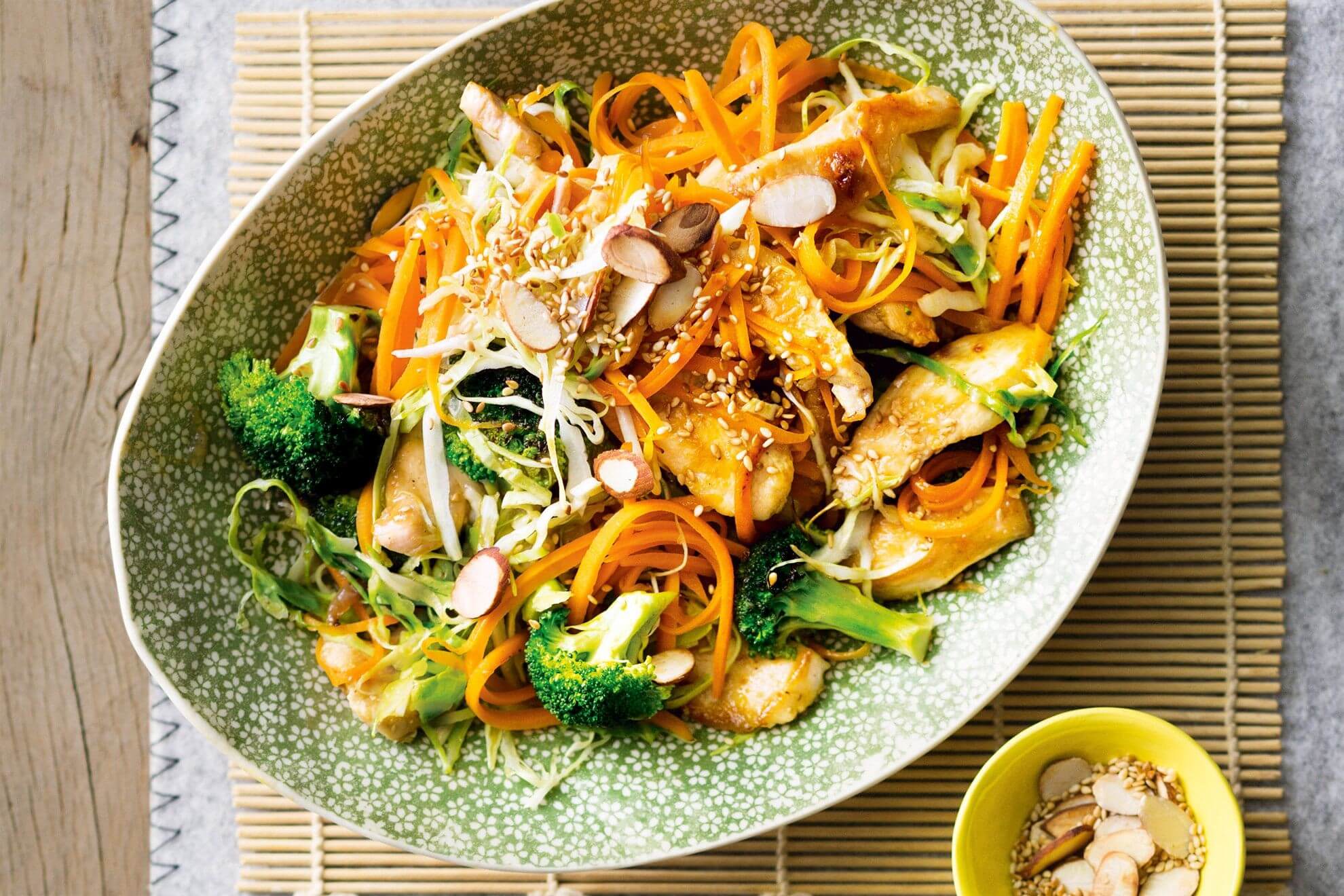
This plant-based dish is packed with protein, fiber, and antioxidants. Using minimal oil and plenty of vegetables keeps the meal light yet filling.
Healthy Snacks That Actually Satisfy
Snacking can be part of a healthy lifestyle when done intentionally.
Smart snack ideas include:
-
Greek yogurt with honey and seeds
-
Apple slices with nut butter
-
Hummus with raw vegetables
-
Handful of mixed nuts
These options provide nutrients while preventing overeating later in the day.
Healthy Desserts: Yes, They Exist
Healthy recipes don’t mean giving up dessert. The goal is to use better ingredients and reduce added sugar.
Dark Chocolate Energy Bites
Made with oats, nut butter, and cocoa powder, these treats satisfy sweet cravings while providing fiber and healthy fats.
Baked Apples with Cinnamon
This naturally sweet dessert requires no added sugar and offers warmth and comfort with minimal calories.
Cooking Methods That Preserve Nutrition
How you cook is just as important as what you cook.
Healthier cooking methods include:
-
Baking instead of frying
-
Steaming vegetables to retain nutrients
-
Grilling with minimal oil
-
Sautéing using healthy fats in moderation
Avoid overcooking, which can reduce nutrient content and flavor.
Meal Prep: The Key to Consistent Healthy Eating
One of the biggest challenges in healthy eating is consistency. Meal prepping solves this by saving time and reducing unhealthy food choices.
Benefits of meal prep:
-
Better portion control
-
Less reliance on fast food
-
Reduced stress during busy days
Preparing meals in advance makes healthy recipes part of your routine rather than a daily decision.
Common Myths About Healthy Recipes
Myth 1: Healthy Food Is Bland
With herbs, spices, and fresh ingredients, healthy meals can be flavorful and exciting.
Myth 2: Healthy Cooking Is Expensive
Using seasonal produce, grains, and legumes can be budget-friendly while still nutritious.
Myth 3: Healthy Eating Takes Too Much Time
Many healthy recipes can be prepared in under 30 minutes with simple techniques.
How Healthy Recipes Support Long-Term Wellness
Healthy recipes contribute to:
-
Stable energy levels
-
Improved digestion
-
Weight management
-
Reduced risk of chronic disease
More importantly, they encourage a positive relationship with food—one based on nourishment rather than restriction.
Final Thoughts
Healthy recipes are not about perfection or strict dieting. They are about making better choices most of the time and enjoying food that supports your body and lifestyle. By focusing on whole ingredients, balanced meals, and simple preparation, healthy cooking becomes sustainable and enjoyable.
Whether you’re preparing breakfast, lunch, dinner, or snacks, healthy recipes can help you feel energized, satisfied, and confident in your food choices. Over time, these small changes create lasting improvements in health and well-being—one meal at a time.