

Meghan Trainor, who famously belted out “I won’t be no stick-figure silicone Barbie doll” in her 2014 hit All About That Bass, surprised many fans when she stepped out at a gala last weekend looking – some observers noted – much closer to the image she once pushed back against.
31-year-old Trainor has been vocal about her recent weight-loss journey, attributing her slimmed-down physique to lifestyle changes coupled with professional advice from a dietitian and the use of the medication Mounjaro, an injectable that has been approved for Type 2 diabetes and recently has also been used for weight management as has Ozempic.
And yet, some longtime fans were taken aback by the shocking transformation. The singer, whose lyrics once served as a celebration of body confidence (“My momma she told me don’t worry about your size” and “Every inch of you is perfect from the bottom to the top”), was markedly thinner in Saturday night’s corseted gown.
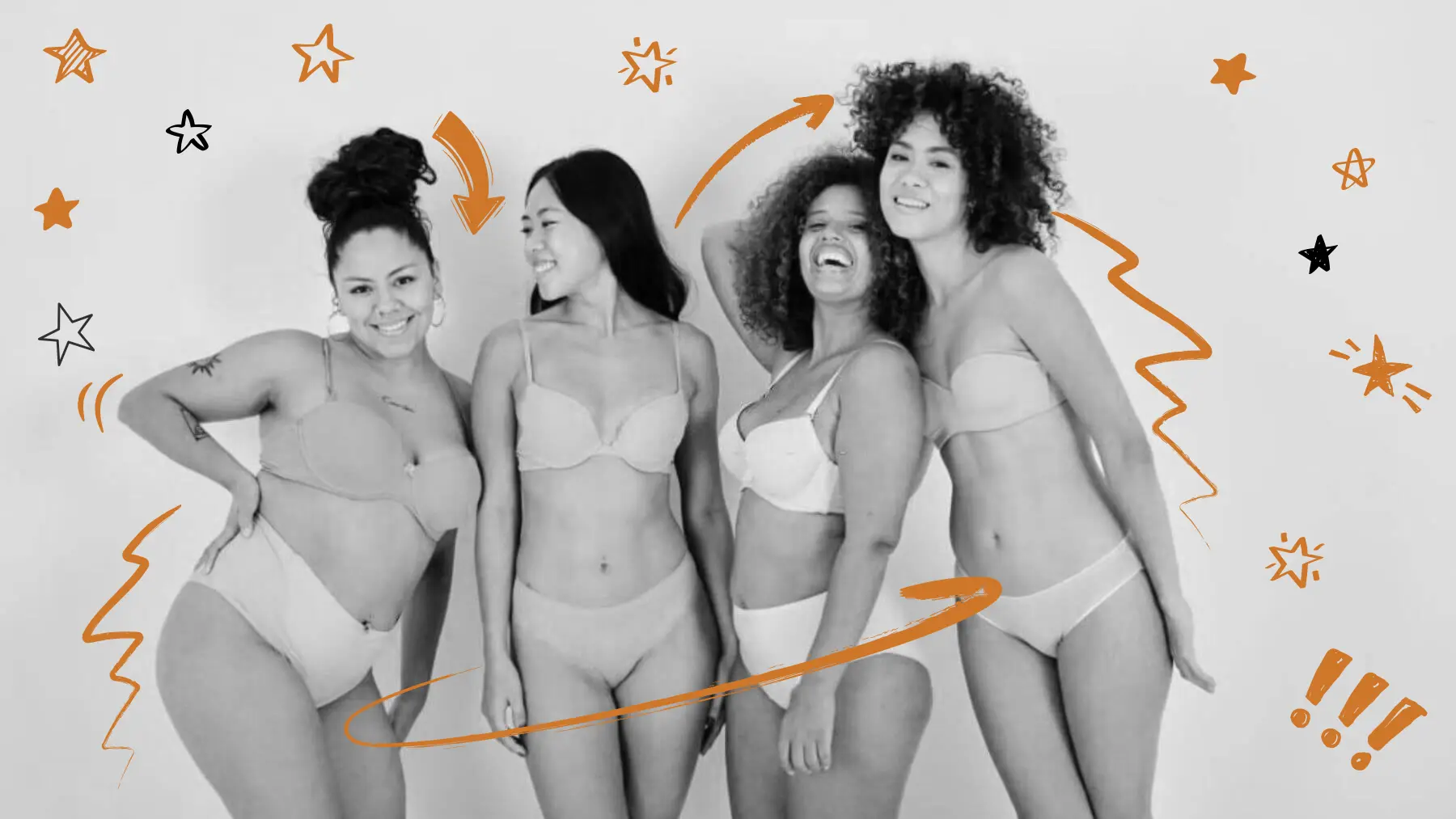
The makeover quickly generated responses online. “Not about that bass anymore,” one person commented on Trainor’s Instagram post Sunday. Another wrote, “Such a pity that yet another body-positive woman has done exactly what they were supposed to be against.”
Trainor is not the only one. A spate of celebrities-Amy Schumer, Mindy Kaling, Lizzo, Oprah Winfrey-has spoken about notable body shifts recently.
Public fascination with women’s appearance is hardly anything new, but this latest crop of weight loss tales-which in some cases involves medications like Ozempic-has touched a raw nerve. Headlines refer to the stars as “unrecognizable.” Commentators question if the body positivity era ever delivered on its claims.
Some critics view these changes as a break with the messages many of these women long stood for. Others counter that shaming women for losing weight is equally damaging, and that people don’t owe the public an explanation for what they do with their bodies.
“For decades we’ve policed and picked apart women’s bodies,” says Zorianna Zurba, a pop culture expert and professor at Humber Polytechnic in Toronto. But as medical options and weight loss drugs become more visible, the conversation can start to feel like it’s going backwards.
She understands, too, why the topic is such a sensitizing issue.
“Frustration comes from feeling we’ve been sold two different narratives,” Zurba notes. “For some, it’s body positivity and acceptance, but for those who can afford to alter their appearance, there isn’t a pressure to embrace their bodies as they are.”
From ‘Heroin Chic’ to ‘Chubby and Curvy’
The body positivity movement, which researchers claim started gaining momentum from 2012, felt like a welcome respite from the late 1990s and early 2000s, when the ‘heroin chic’ look was in full swing with ultra-thin celebrities such as Kate Moss, and pop icons such as Britney Spears, Kate Winslet, and Jessica Simpson were publicly ridiculed for being ‘fat.’
However, as the movement gained steam, the younger generations of the world were now advocating for healthier and more positive ideas of beauty. Social media became a platform wherein people spoke out against body shaming, encouraged self-love, and asserted that one’s self-worth was defined by much more than one’s physical attributes.
For instance, comedian Amy Schumer became synonymous with body image issues. While Schumer has been known to encourage women to love themselves as they are, she has also been known to assert her own feelings of empowerment and sexiness at different weights.
Schumer has been known to take on her detractors who criticized her looks, did not get her photo retouched, and wanted women who see her cellulite and rolls to love themselves as well.
However, Schumer has recently been open about her transformation, including her decision to get liposuction in 2022. Just this year, Schumer revealed in a deleted Instagram post that she had been taking Mounjaro.
Other celebrities, like Mindy Kaling, have also expressed their insecurities regarding their body image. Fans often cite one of her lines from her TV series The Mindy Project saying, “I’m not overweight, I fluctuate between chubby and curvy.” The phrase has become so popular among the audience that people have started selling prints and merchandise online with the phrase printed on it.
In 2019, Mindy went viral after posting two bikini photos on Instagram. She mentioned, “You don’t have to be a size 0” in the post.
Recently, just like other celebrities, Mindy has also come under fire from the audience for being “unrecognizable” after losing weight.
Putting the Focus Back on Weight
The body-positivity movement was started with the aim of accepting and appreciating every body type while also fighting against the unrealistic beauty standards promoted by the media, said Dr. Lindsay Bodell, associate professor of psychology at Western University who has studied eating disorders.
When celebrities who were previously associated with the body-positivity movement seem to be focusing more on weight loss and appearance again, it is like going back on their words, said the professor.
“And the more that we see images like this,” Bodell said, “it’s again just re-promoting the message about what our society values.”
According to Bodell, the psychological effects of internalizing the idea that thinness is the ideal body type are quite serious. It may cause body image issues, more negative emotions, and even disordered eating.
However, she also mentioned that the increasing acceptance of the fact that celebrities are using weight loss drugs may even heighten the pressure. This is especially the case since these drugs are not available to all. “It’s promoting a very specific body type,” she said. “That then becomes unrealistic and unattainable for the vast majority of people.”
Hollywood Has Barely Changed
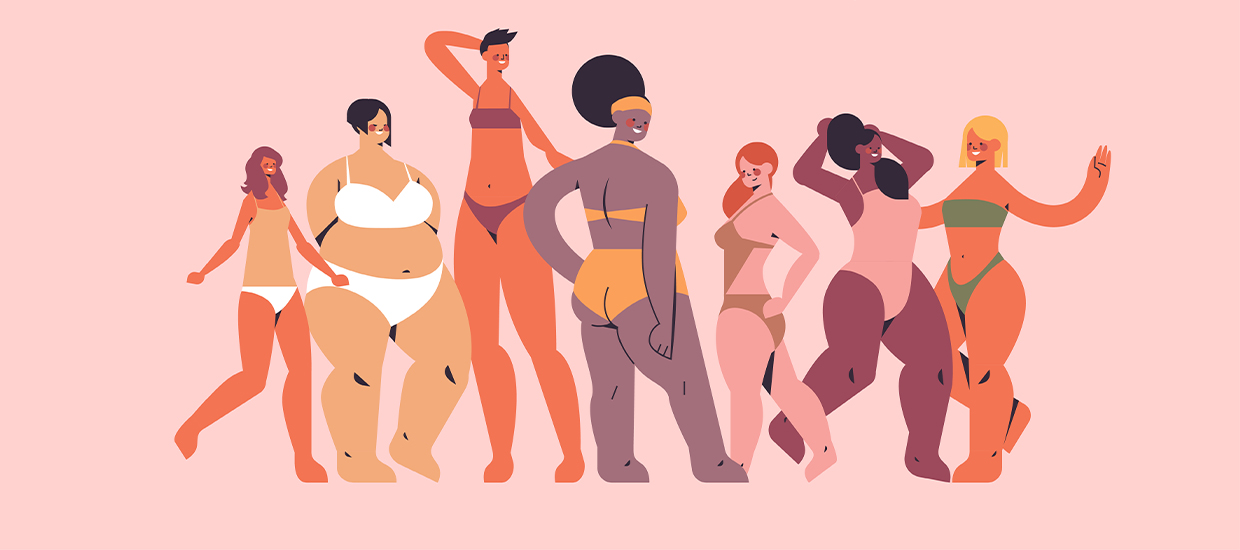
The body-positivity movement has increased over the years. However, the ideal body type that the industry is pushing has changed very little. A report from The Representation Project found that only 6.7 per cent of the characters from the most popular movies of the decade were overweight.
But, none of those characters were the main character. “Overweight characters were more often portrayed as comedic or unintelligent.” With all of these issues going on, another question has been asked: If society is still rewarding thinness to such a degree, why are celebrities being shamed for trying to attain the body that they want?
The media speculation was sparked by Schumer’s decision to delete all of her Instagram photos except one that showed off her new look.
“Hey media outlets, I didn’t delete my old photos because they were pre me losing weight,” Schumer wrote on Instagram. “That’s a narrative you created. I’m proud of how I’ve always looked.
In the case of Kaling’s appearance on the red carpet of the Oscars ceremony earlier in 2023, experts interviewed by NBC noted that the actress does not owe the world the responsibility of becoming a body positivity icon.
“How is this a question about body positivity if we are shaming someone who chooses in their own way to be positive about their body?” said an associate professor of South Asian literature and women’s studies at Brandeis University, Harleen Singh.
Meanwhile, Canadian pop star Nelly Furtado has been subject to a lot of body-shaming comments due to the opposite reason: she looked bigger on the red carpet.
The pop star, who has been an advocate of body neutrality, was also called “unrecognizable.”
“In a way, you’re damned if you do and damned if you don’t,” Zurba said.
“There are so many layers of possible shame.”