

If you wish to lose fat without sacrificing muscle mass, there are three important principles that you should be aware of.
This is the advice of Magnus Lygdback, a personal trainer to some of Hollywood’s A-listers, including Alexander Skarsgård. This fitness expert helped Alexander to get in warrior shape for the film The Northman. Another fitness expert who shares the same view is Harry Cox, a personal trainer based in London who helps executives get in shape.
The basic principle of weight loss is that one must burn more calories than the amount of energy one consumes. However, if one loses weight by reducing calorie consumption too drastically, one will lose not only fat but muscle mass as well.
“When your body is in an energy deficit, it’s going to look for fuel wherever it can. And sometimes that means breaking down muscle tissue.” This is the warning Harry Cox gives.
This is not a good thing because even though the person will lose weight and look smaller on the scale, you will be harming your body in the long run. This is because muscle plays a very important part in s long-term health and helps to control blood sugars, metabolisms, and even the number of calories that the body burns even when it is not physically active.
Muscle mass naturally decreases with age; therefore, the importance of maintaining muscle mass is critical to overall health and fitness.
Strength training with progressive overload at least twice a week
One of the best ways to retain muscle mass while losing fat is through regular strength training, Cox said. “It’s a clear message to your body that muscle is still needed, and your body will be less likely to break down muscle as you’re losing weight.”
The most researched way of building muscle is through a training strategy called “progressive overload.” This involves training near or at failure, which means you could only perform one or two more reps, and then increase the amount of weight or reps as you get stronger.
Cox said this same strategy works when your goal is maintenance. “You don’t want to be training with weights that are extremely light and not challenging yourself at all,” he said. “The training needs to be fairly intense.”
Cox recommends at least two strength training sessions per week, although three or four times per week will give you better results.
A well-rounded workout routine should include at least one pulling exercise such as a chin-up, pull-up, or lat pulldown; one pushing exercise such as a push-up, bench press, or shoulder press; and one lower-body exercise such as a squat, lunge, or deadlift.
Eat enough protein
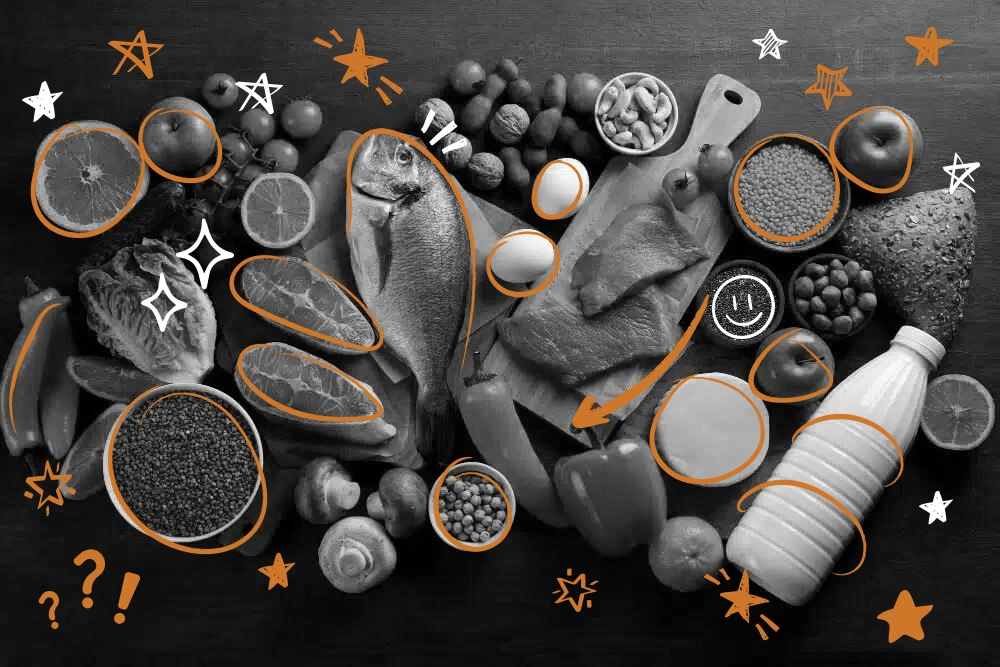
Protein is important when it comes to maintaining muscle, especially when one is trying to lose fat, Lygdback stated. Since muscle composition uses protein to repair and recover, it becomes more important to consume enough protein when losing fat.
However, he stated that protein consumption should not be reduced just because a person is consuming fewer calories. “You don’t really want to adjust that too much,” he stated. “And I never do,” he added.
According to Cox, an individual should consume 1.6 to 2.2 grams of protein per kilogram of his body weight each day to help maintain, recover, and build muscle composition.
For example, an individual who weighs 60 kilograms should consume at least 120 grams of protein each day.
If an individual is having difficulty meeting his daily requirement, he can try to learn which foods are high in protein and not be afraid to ask for an extra serving of protein when he eats outside.
Stay in a gentle calorie deficit
It’s no secret that losing weight requires a calorie deficit. However, gaining muscle mass requires a calorie surplus. As such, losing weight without losing muscle mass at the same time could be a bit of a challenge.
However, Lygdback said that losing muscle mass could be avoided by staying in a gentle calorie deficit. One way of achieving this is by paying close attention to your macronutrients.
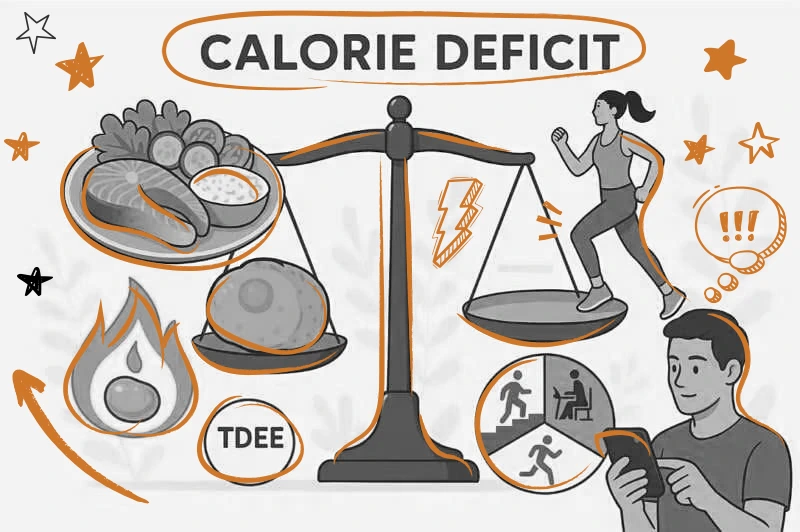
You don’t necessarily have to weigh your food, but tracking your macronutrient consumption for a few days could give you an idea of what a certain amount of food looks like, such as 30 grams of protein or 500 calories of rice.
You don’t have to stick to the stereotypical routine of chicken, rice, and broccoli if you want to achieve your fitness goals. The only thing you have to make sure of is that your protein levels remain high, and your calories are slightly lower than your expenditure.
“You want to make sure to keep the protein high enough, and the carbs and fat low enough,” Lygdback said. A 10 to 20 percent drop in daily calories could be enough for most people, Lygdback said.